Showing posts with label 10x genomics. Show all posts

Monday, 27 January 2025

A reference genome for the eastern bettong (Bettongia gaimardi)

Silver LW, Edwards RJ, Neaves L,A Manning, CJ Hogg & S Banks (2025): A reference genome for the eastern bettong (Bettongia gaimardi) [version 2; peer review: 3 approved]. F1000Research 13:1544. [F1000Res] [PubMed]

Abstract

The eastern or Tasmanian bettong (Bettongia gaimardi) is one of four extant bettong species and is listed as ‘Near Threatened’ by the IUCN. We sequenced short read data on the 10x system to generate a reference genome 3.46Gb in size and contig N50 of 87.36Kb and scaffold N50 of 2.93Mb. Additionally, we used GeMoMa to provide and accompanying annotation for the reference genome. The generation of a reference genome for the eastern bettong provides a vital resource for the conservation of the species.

Sunday, 3 November 2024

Chromosome-level genome assembly of the Australian rainforest tree Rhodamnia argentea (malletwood)

Genome projects don’t always go according to plan, and when we first sequenced Rhodamnia argentea with 10x Genomics linked reads, we accidentally sequenced a parasite along with it. This was quite hard to identify from the sequencing data itself, as the depth of sequencing was quite high, and we were unable to identify the guilty bug itself, which is probably microscopic. Getting to the bottom of this took a back seat for a while when the focus of the project shifted to Melaleuca quinquenervia, but with the addition of ONT reads and Hi-C, we have now been able to generate a chromosome-level decontaminated assembly. (An assembly of the contaminating mite will follow…)

Chen SH, Jones A, Lu-Irving P, Yap JYS, van der Merwe M, Bragg JG & Edwards RJ (2024): Chromosome-level genome assembly of the Australian rainforest tree Rhodamnia argentea (malletwood). Genome Biology and Evolution 16(11):evae238. [Gen Biol Evol] [PubMed]

Abstract

Myrtaceae are a large family of woody plants, including hundreds that are currently under threat from the global spread of a fungal pathogen, Austropuccinia psidii (G. Winter) Beenken, which causes myrtle rust. A reference genome for the Australian native rainforest tree Rhodamnia argentea Benth. (malletwood) was assembled from Oxford Nanopore Technologies long-reads, 10x Genomics Chromium linked-reads, and Hi-C data (N50 = 32.3 Mb and BUSCO completeness 98.0%) with 99.0% of the 347 Mb assembly anchored to 11 chromosomes (2n = 22). The R. argentea genome will inform conservation efforts for Myrtaceae species threatened by myrtle rust, against which it shows variable resistance. We observed contamination in the sequencing data, and further investigation revealed an arthropod source. This study emphasizes the importance of checking sequencing data for contamination, especially when working with nonmodel organisms. It also enhances our understanding of a tree that faces conservation challenges, contributing to broader biodiversity initiatives.

Wednesday, 29 June 2022

The starling genome is out!

See the pre-print post for details.

Stuart KC*, Edwards RJ*, Cheng Y, Warren WC, Burt DW, Sherwin WB, Hofmeister NR, Werner SJ, Ball GF, Bateson M, Brandley MC, Buchanan KL, Cassey P, Clayton DF, De Meyer T, Meddle SL & Rollins LA (2022): Transcript- and annotation-guided genome assembly of the European starling. Molecular Ecology 22(8):3141-3160. doi: 10.1111/1755-0998.13679. [*Joint first authors] [Mol Ecol Res] [PubMed] [bioRxiv]

The European starling, Sturnus vulgaris, is an ecologically significant, globally invasive avian species that is also suffering from a major decline in its native range. Here, we present the genome assembly and long-read transcriptome of an Australian-sourced European starling (S. vulgaris vAU), and a second, North American, short-read genome assembly (S. vulgaris vNA), as complementary reference genomes for population genetic and evolutionary characterization. S. vulgaris vAU combined 10× genomics linked-reads, low-coverage Nanopore sequencing, and PacBio Iso-Seq full-length transcript scaffolding to generate a 1050 Mb assembly on 6222 scaffolds (7.6 Mb scaffold N50, 94.6% busco completeness). Further scaffolding against the high-quality zebra finch (Taeniopygia guttata) genome assigned 98.6% of the assembly to 32 putative nuclear chromosome scaffolds. Species-specific transcript mapping and gene annotation revealed good gene-level assembly and high functional completeness. Using S. vulgaris vAU, we demonstrate how the multifunctional use of PacBio Iso-Seq transcript data and complementary homology-based annotation of sequential assembly steps (assessed using a new tool, saaga) can be used to assess, inform, and validate assembly workflow decisions. We also highlight some counterintuitive behaviour in traditional busco metrics, and present buscomp, a complementary tool for assembly comparison designed to be robust to differences in assembly size and base-calling quality. This work expands our knowledge of avian genomes and the available toolkit for assessing and improving genome quality. The new genomic resources presented will facilitate further global genomic and transcriptomic analysis on this ecologically important species.

Tuesday, 25 January 2022

Horizontal transposon transfer and its implications for the ancestral ecology of hydrophiine snakes

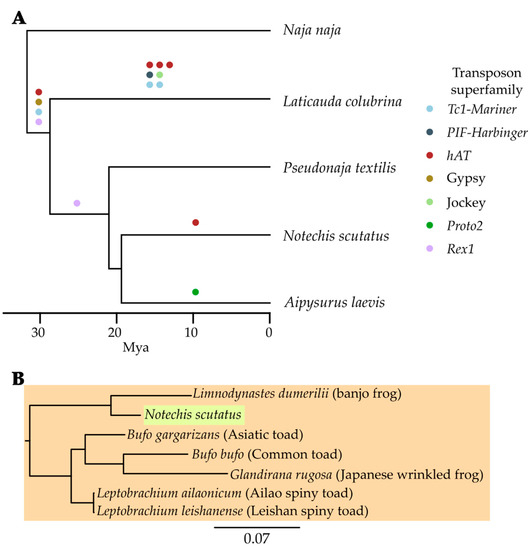
The first of the BABS Genome papers has finally arrived, featuring our two 10x Genomics Supernova snake genomes. Such is the speed that genomics is moving, the snake assemblies themselves have moved on quite a bit since then and we hope to release chromosome-level versions soon. (The goalposts for a genome paper moved faster than they could be written up - always a challenge without dedicated researchers working on assemblies! Do get in touch if they’d be useful and we can collaborate.)

Rather than a pure genome paper, this paper makes use of our two elapid genomes to ask some interesting questions about possible horizontal transfer of transposable (mobile genetic) elements during the evolution of sea snakes - our two elapids provided good sister (mainland tiger snake) and outgroup (eastern brown snake) taxa for the olive sea snake, which was the focus of the study. It was doubly pleasing to collaborate on a transposable elements paper, as they were the subject of my PhD (albeit in bacteria, see here and here).

This paper is part of a special issue, Mobile Elements in Phylogenomic Reconstructions, and features some interesting examples of probable horiztonal transfer of mobile elements that provide insights into the evolutionary history of these species.


Galbraith JD, Ludington AJ, Sanders KL, Amos TG, Thomson VA, Enosi Tuipulotu D, Dunstan N, Edwards RJ, Suh A, Adelson DL (2022): Horizontal transposon transfer and its implications for the ancestral ecology of hydrophiine snakes. Genes 13(2):217. [Genes] [PDF] [bioRxiv]

Abstract

Transposable elements (TEs), also known as jumping genes, are sequences able to move or copy themselves within a genome. As TEs move throughout genomes they often act as a source of genetic novelty, hence understanding TE evolution within lineages may help in understanding environmental adaptation. Studies into the TE content of lineages of mammals such as bats have uncovered horizontal transposon transfer (HTT) into these lineages, with squamates often also containing the same TEs. Despite the repeated finding of HTT into squamates, little comparative research has examined the evolution of TEs within squamates. Here we examine a diverse family of Australo–Melanesian snakes (Hydrophiinae) to examine if the previously identified, order-wide pattern of variable TE content and activity holds true on a smaller scale. Hydrophiinae diverged from Asian elapids ~30 Mya and have since rapidly diversified into six amphibious, ~60 marine and ~100 terrestrial species that fill a broad range of ecological niches. We find TE diversity and expansion differs between hydrophiines and their Asian relatives and identify multiple HTTs into Hydrophiinae, including three likely transferred into the ancestral hydrophiine from fish. These HTT events provide the first tangible evidence that Hydrophiinae reached Australia from Asia via a marine route.

Friday, 14 January 2022

The Waratah genome paper is out!

The final version of the waratah genome paper now out in Molecular Ecology Resources. This was a fun collaboration with the Royal Botanic Gardens and Domain Trust as one of the pilot genomes for BioPlatforms Australia’s Genomics for Australian Plants (GAP) initiative.

You can read the press release here, or our piece in the Conversation, We’ve unveiled the waratah’s genetic secrets, helping preserve this Australian icon for the future.

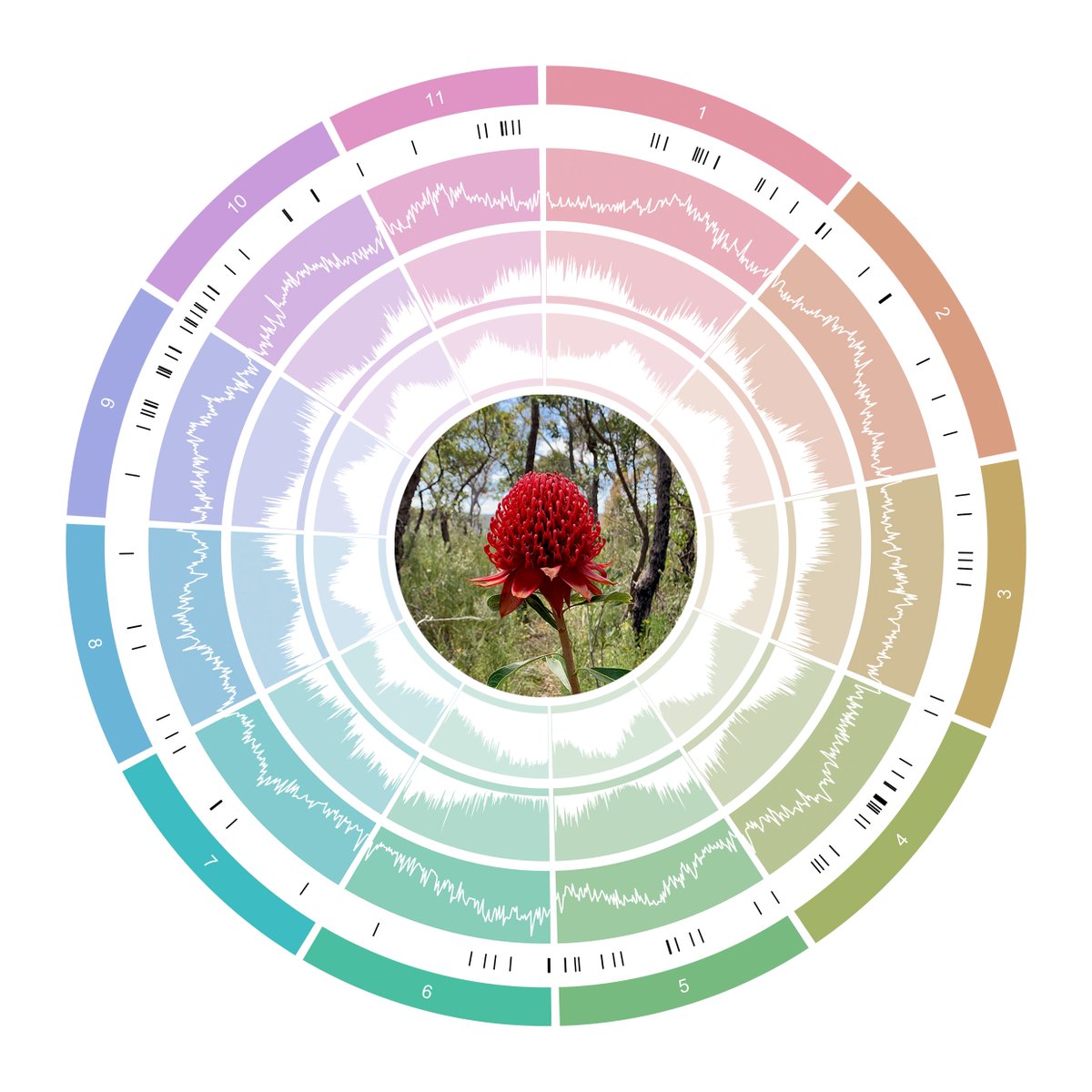
In this paper, we present a chromosome-level assembly for the NSW State Floral Emblem, the New South Wales waratah, Telopea speciosissima. This joins macadamia as the 2nd reference genome for the Proteaceae family & should help future studies for the remaining ca. 1700 species.

The genome was assembled from a ONT chassis, scaffolded with 10x Genomics linked reads and Phase Genomics HiC - made possible thanks to quality data from AGRF and the Ramaciotti Centre for Genomics. The final assembly was chromosome-level, with 94.1% on the 11 chromosomes (2n = 22).

As well as the assembly itself, the paper presents a three genomics tools that we hope will be helpful for other assemblies:

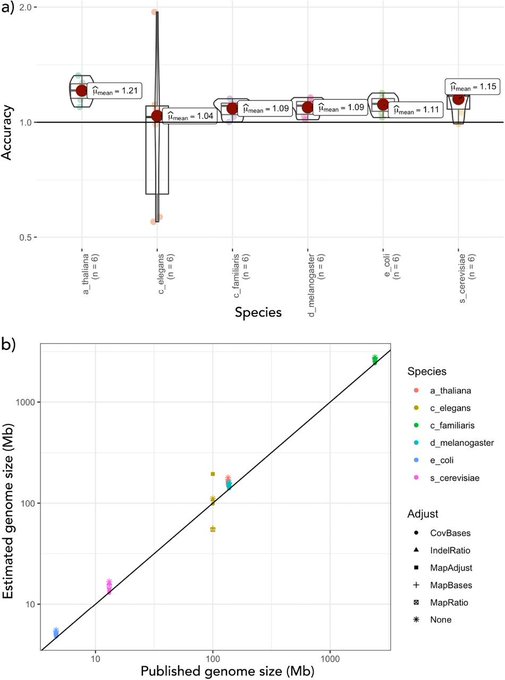
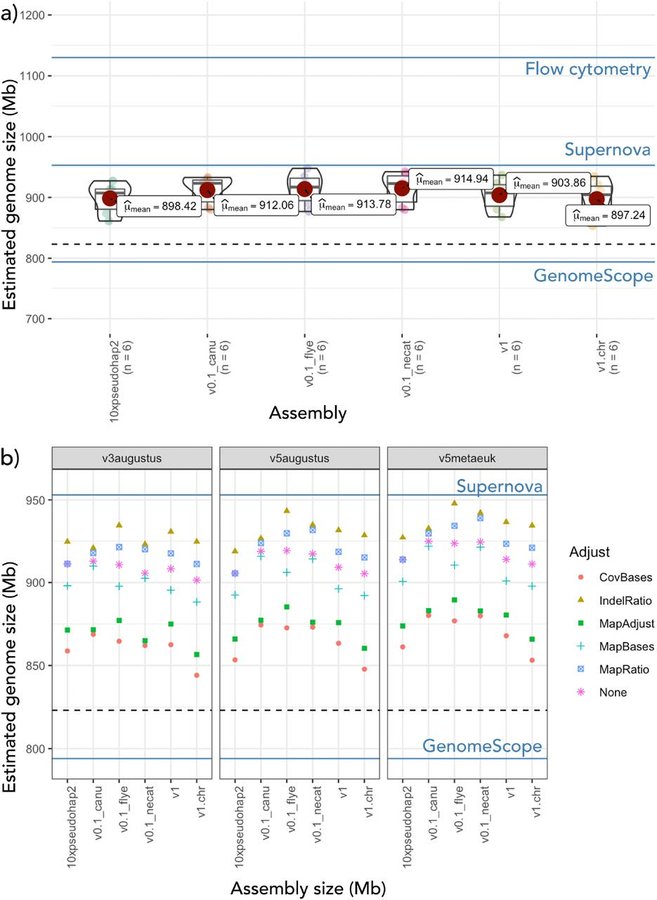
1. DepthSizer uses long-read depths and BUSCO predictions to estimate genome size. We estimated the waratah genome to be ca. 900 Mbp - bigger than kmer estimates, but smaller than flow cytometry of Tasmanian waratah.

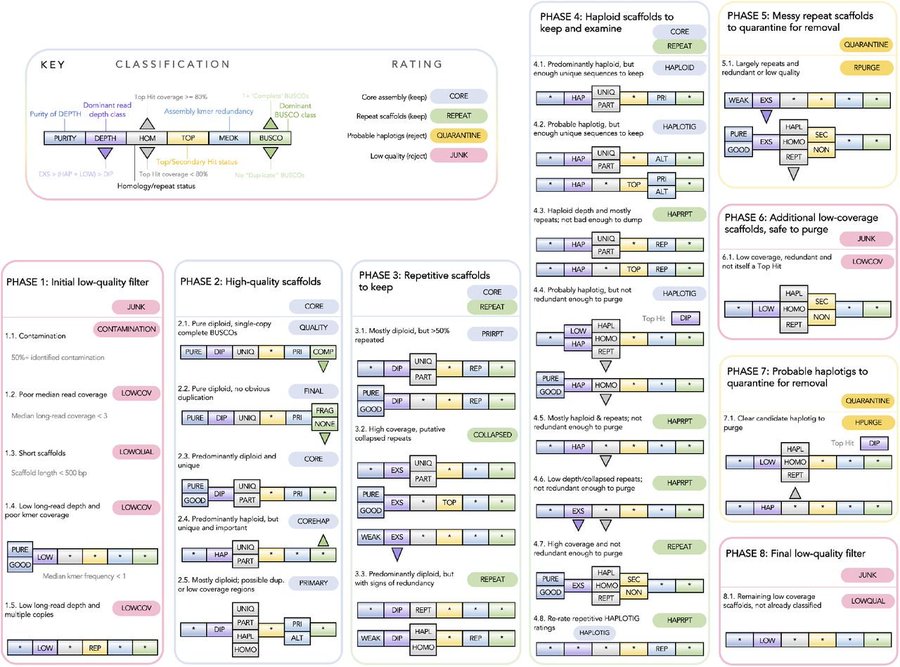
2. Diploidocus builds on Purge Haplotigs, combining read depths, kmer frequencies & BUSCO predictions to classify and curate/filter assembly scaffolds. This decreases false duplications & contamination, and flags collapsed repeats for closer inspection.

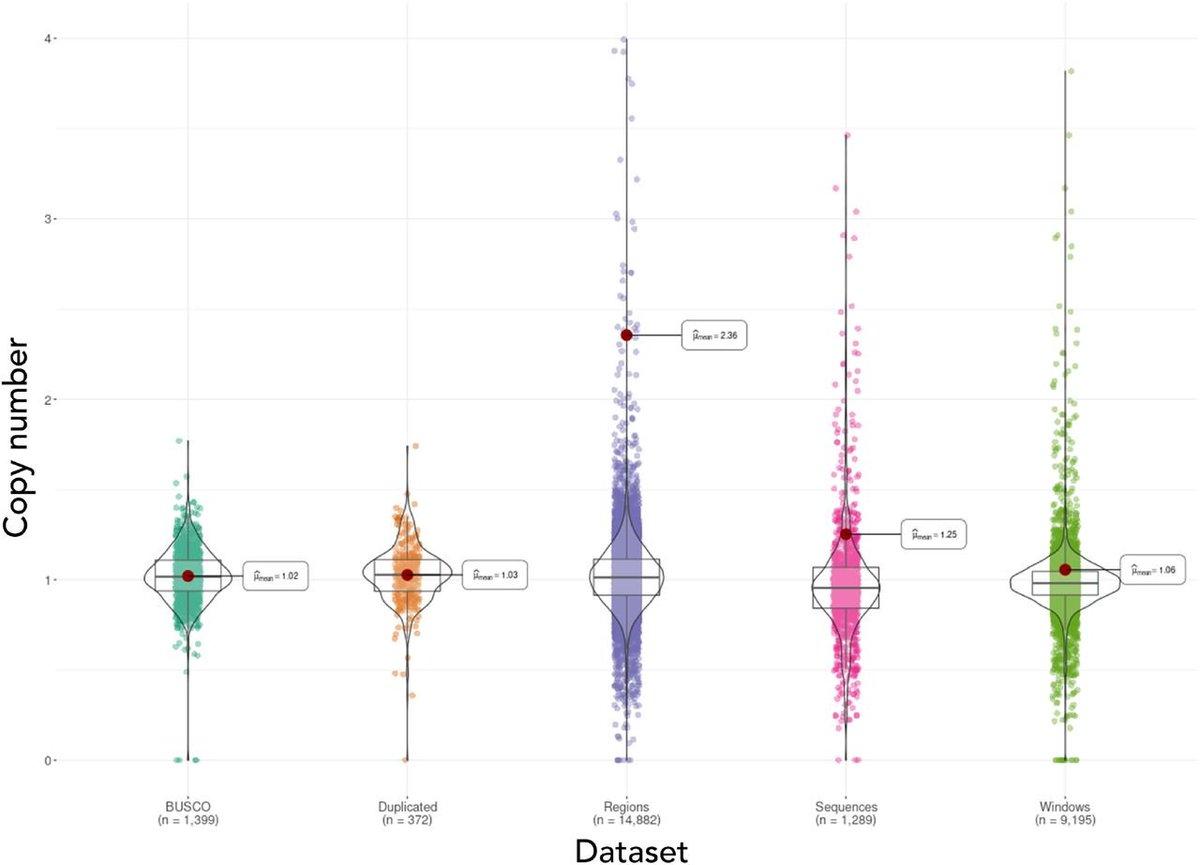
3. DepthKopy uses BUSCO Complete genes to establish sequencing depth (like DepthSizer) and then estimates copy number for regions (e.g. genes), scaffolds & sliding windows of the assembly. This showed that most “Duplicated” BUSCOs are real duplicates.


Chen SH, Rossetto M, van der Merwe M, Lu-Irving P, Yap JS, Sauquet H, Bourke G, Amos TG, Bragg JG & Edwards RJ (accepted): Chromosome-level de novo genome assembly of Telopea speciosissima (New South Wales waratah) using long-reads, linked-reads and Hi-C. Molecular Ecology Resources.
[Mol Ecol Res] [bioRxiv]

Abstract

Telopea speciosissima, the New South Wales waratah, is an Australian endemic woody shrub in the family Proteaceae. Waratahs have great potential as a model clade to better understand processes of speciation, introgression and adaptation, and are significant from a horticultural perspective. Here, we report the first chromosome-level genome for T. speciosissima. Combining Oxford Nanopore long-reads, 10x Genomics Chromium linked-reads and Hi-C data, the assembly spans 823 Mb (scaffold N50 of 69.0 Mb) with 97.8% of Embryophyta BUSCOs “Complete”. We present a new method in Diploidocus (https://github.com/slimsuite/diploidocus) for classifying, curating and QC-filtering scaffolds, which combines read depths, k-mer frequencies and BUSCO predictions. We also present a new tool, DepthSizer (https://github.com/slimsuite/depthsizer), for genome size estimation from the read depth of single-copy orthologues and estimate the genome size to be approximately 900 Mb. The largest 11 scaffolds contained 94.1% of the assembly, conforming to the expected number of chromosomes (2n = 22). Genome annotation predicted 40,158 protein-coding genes, 351 rRNAs and 728 tRNAs. We investigated CYCLOIDEA (CYC) genes, which have a role in determination of floral symmetry, and confirm the presence of two copies in the genome. Read depth analysis of 180 “Duplicated” BUSCO genes using a new tool, DepthKopy (https://github.com/slimsuite/depthkopy), suggests almost all are real duplications, increasing confidence in the annotation and highlighting a possible need to revise the BUSCO set for this lineage. The chromosome-level T. speciosissima reference genome (Tspe_v1) provides an important new genomic resource of Proteaceae to support the conservation of flora in Australia and further afield.

If you want a read and don’t have access, please get it touch or check out the bioRxiv preprint.

Friday, 3 December 2021

Limited Introgression between Rock-Wallabies with Extensive Chromosomal Rearrangements

When we were assembling the 10x Genomics linked read assemblies of several rock wallabies, one of them broke the lab record for Supernova assembly quality.

10x linked reads are a bit of a dead technology now, but genomes made with them are still useful and generating insights. One example is the first rock wallaby we assembled, as a (very small) part of a team that used the draft 10x genome assembly for Petrogale penicillata as a reference to investigate chromosomal rearrangements, published online today in Molecular Biology and Evolution, one of my favourite journals.


Potter P, Bragg JG, Turakulov R, Eldridge MDB, Deakin J, Kirkpatrick M, Edwards RJ & Moritz C (2022): Limited introgression between rock-wallabies with extensive chromosomal rearrangements. Molecular Biology and Evolution 39(1):msab333 https://doi.org/10.1093/molbev/msab333

Abstract

Chromosome rearrangements can result in the rapid evolution of hybrid incompatibilities. Robertsonian fusions, particularly those with monobrachial homology, can drive reproductive isolation amongst recently diverged taxa. The recent radiation of rock-wallabies (genus Petrogale) is an important model to explore the role of Robertsonian fusions in speciation. Here, we pursue that goal using an extensive sampling of populations and genomes of Petrogale from north-eastern Australia. In contrast to previous assessments using mitochondrial DNA or nuclear microsatellite loci, genomic data are able to separate the most closely related species and to resolve their divergence histories. Both phylogenetic and population genetic analyses indicate introgression between two species that differ by a single Robertsonian fusion. Based on the available data, there is also evidence for introgression between two species which share complex chromosomal rearrangements. However, the remaining results show no consistent signature of introgression amongst species pairs and where evident, indicate generally low introgression overall. X-linked loci have elevated divergence compared with autosomal loci indicating a potential role for genic evolution to produce reproductive isolation in concert with chromosome change. Our results highlight the value of genome scale data in evaluating the role of Robertsonian fusions and structural variation in divergence, speciation, and patterns of molecular evolution.

Thursday, 3 June 2021

Chromosome-level de novo genome assembly of Telopea speciosissima (New South Wales waratah) using long-reads, linked-reads and Hi-C

The latest genomics paper from the lab is now out on bioRvix. This is the first paper from Stephanie Chen’s PhD project in collaboration with the Royal Botanic Gardens and Domain Trust (RBGDT), Sydney. In this paper, Stephanie reports on the chromosome-level assembly of the New South Wales Waratah, the floral emblem of NSW. This is the first of the pilot reference genomes to be released from the Genomics for Australian Plants initiative.

In addition to the genome itself, this paper describes a couple of genomics tools from the lab. DepthSizer (https://github.com/slimsuite/depthsizer) uses BUSCO predictions to establish the single-copy read depth of sequencing data, from which the genome size can be estimated in a way that is hopefully quite robust to assembly quality. Diploidocus (https://github.com/slimsuite/diploidocus) has been used for our previous Dog genome assemblies to help eliminate “haplotigs” (heterozygous regions of the genome that appear in the assembly twice), and low-quality sequences, in addition to flagging possible collapsed repeats or contaminants for further investigation. Here, the Diploidocus “tidy” pipeline is considerably extended for a much more nuanced classification and filtering of scaffolds, using a combination of read depths, homology, kmer analysis and BUSCO predictions.


Chen SH, Rossetto M, van der Merwe M, Lu-Irving P, Yap JS, Sauquet H, Bourke G, Bragg JG & Edwards RJ (preprint): Chromosome-level de novo genome assembly of Telopea speciosissima (New South Wales waratah) using long-reads, linked-reads and Hi-C. bioRxiv 2021.06.02.444084; doi: 10.1101/2021.06.02.444084.
[bioRxiv]

Abstract

Background: Telopea speciosissima, the New South Wales waratah, is Australian endemic woody shrub in the family Proteaceae. Waratahs have great potential as a model clade to better understand processes of speciation, introgression and adaptation, and are significant from a horticultural perspective. Findings: Here, we report the first chromosome-level reference genome for T. speciosissima. Combining Oxford Nanopore long-reads, 10x Genomics Chromium linked-reads and Hi-C data, the assembly spans 823 Mb (scaffold N50 of 69.0 Mb) with 91.2 % of Embryophyta BUSCOs complete. We introduce a new method in Diploidocus (https://github.com/slimsuite/diploidocus) for classifying, curating and QC-filtering assembly scaffolds. We also present a new tool, DepthSizer (https://github.com/slimsuite/depthsizer), for genome size estimation from the read depth of single copy orthologues and find that the assembly is 93.9 % of the estimated genome size. The largest 11 scaffolds contained 94.1 % of the assembly, conforming to the expected number of chromosomes (2n = 22). Genome annotation predicted 40,158 protein-coding genes, 351 rRNAs and 728 tRNAs. Our results indicate that the waratah genome is highly repetitive, with a repeat content of 62.3 %. Conclusions: The T. speciosissima genome (Tspe_v1) will accelerate waratah evolutionary genomics and facilitate marker assisted approaches for breeding. Broadly, it represents an important new genomic resource of Proteaceae to support the conservation of flora in Australia and further afield.

Thursday, 8 April 2021

Transcript- and annotation-guided genome assembly of the European starling

Our starling genome paper is now available as a pre-print on bioRxiv! This was some great work by PhD student, Kat Stuart. Kat assembled a new Australian starling genome, using a combination of linked reads, low coverage long reads, and long-read PacBio iso-seq transcriptomics data. A second Illumina assembly of a North American group is also presented. As we saw with our Basenji genome paper, having two (or more) genomes from a species can be really useful for disentangling real difference from assembly artefacts. (No assembly is perfect!)

This paper is a great example of how a bit of TLC and imagination can get the most out of data produced with a limited budget. We were unable to get deep long-read sequencing this time, but instead show the additional power that long-read full-length transcriptome data can provide in assembling a genome - above and beyond the annotation.

This paper also officially describes a couple of genomics tools from the lab BUSCOMP has been in the works for some time, and this paper updates previous results to BUSCO v5 analysis and confirms our previous snake results using starling-derived test data. BUSCO is a powerful and popular tool that estimates genome completeness using gene prediction and curated models of single-copy protein orthologues. However, we demonstrate how results can be counterintuitive: adding/removing scaffolds can alter BUSCO predictions elsewhere in the assembly, while low sequence quality may reduce “completeness” scores and miss genes that are present in the assembly. BUSCOMP (BUSCO Compilation and Comparison) (https://github.com/slimsuite/buscomp) complements BUSCO to identify/overcome these issues by compiling a non-redundant set of the highest-scoring single-copy BUSCO complete sequences and re-searching these against assemblies for consistent completness scoring. SAAGA (https://github.com/slimsuite/saaga) is a new tool for annotation versus reference proteome comparisons. SAAGA can compare different annotations of the same assembly, or be combined with a lightweight annotation tool like GeMoMa to compare different assemblies of the same organism.


Stuart KC, Edwards RJ, Cheng Y, Warren WC, Burt DW, Sherwin WB, Hofmeister NR, Werner SJ, Ball GF, Bateson M, Brandley MC, Buchanan KL, Cassey P, Clayton DF, De Meyer T, Meddle SL & Rollins LA (preprint): Transcript- and annotation-guided genome assembly of the European starling. bioRxiv 2021.04.07.438753; doi: 10.1101/2021.04.07.438753. [*Joint first authors] [bioRxiv]

Abstract

The European starling, Sturnus vulgaris, is an ecologically significant, globally invasive avian species that is also suffering from a major decline in its native range. Here, we present the genome assembly and long-read transcriptome of an Australian-sourced European starling (S. vulgaris vAU), and a second North American genome (S. vulgaris vNA), as complementary reference genomes for population genetic and evolutionary characterisation. S. vulgaris vAU combined 10x Genomics linked-reads, low-coverage Nanopore sequencing, and PacBio Iso-Seq full-length transcript scaffolding to generate a 1050 Mb assembly on 1,628 scaffolds (72.5 Mb scaffold N50). Species-specific transcript mapping and gene annotation revealed high structural and functional completeness (94.6% BUSCO completeness). Further scaffolding against the high-quality zebra finch (Taeniopygia guttata) genome assigned 98.6% of the assembly to 32 putative nuclear chromosome scaffolds. Rapid, recent advances in sequencing technologies and bioinformatics software have highlighted the need for evidence-based assessment of assembly decisions on a case-by-case basis. Using S. vulgaris vAU, we demonstrate how the multifunctional use of PacBio Iso-Seq transcript data and complementary homology-based annotation of sequential assembly steps (assessed using a new tool, SAAGA) can be used to assess, inform, and validate assembly workflow decisions. We also highlight some counter-intuitive behaviour in traditional BUSCO metrics, and present BUSCOMP, a complementary tool for assembly comparison designed to be robust to differences in assembly size and base-calling quality. Finally, we present a second starling assembly, S. vulgaris vNA, to facilitate comparative analysis and global genomic research on this ecologically important species.

Thursday, 2 April 2020

Canfam_GSD: De novo chromosome-length genome assembly of the German Shepherd Dog (Canis lupus familiaris) using a combination of long reads, optical mapping, and Hi-C

Our latest paper is out! This one is a bit more photogenic than the cane toad - a German Shepherd Dog called Nala. This was a big international effort in a collaboration led by Bill Ballard at UNSW that included a dozen institutions across four continents. We threw all the main sequencing technologies at this one and achieved a chromosome-level assembly of better quality than the current “CanFam” reference genome.

You can find out more in the UNSW press release.


Field MA, Rosen BD, Dudchenko O, Chan EKF, Minoche AM, Edwards RJ, Barton K, Lyons RJ, Enosi Tuipulotu D, Hayes VM, Omer AD, Colaric Z, Keilwagen J, Skvortsova K, Bogdanovic O, Smith MA, Lieberman Aiden E, Smith TPL, Zammit RA & Ballard JWO (2020): Canfam_GSD: De novo chromosome-length genome assembly of the German Shepherd Dog (Canis lupus familiaris) using a combination of long reads, optical mapping, and Hi-C. GigaScience 9(4):giaa027. [GigaScience]


Abstract

Background

The German Shepherd Dog (GSD) is one of the most common breeds on earth and has been bred for its utility and intelligence. It is often first choice for police and military work, as well as protection, disability assistance, and search-and-rescue. Yet, GSDs are well known to be susceptible to a range of genetic diseases that can interfere with their training. Such diseases are of particular concern when they occur later in life, and fully trained animals are not able to continue their duties.

Findings

Here, we provide the draft genome sequence of a healthy German Shepherd female as a reference for future disease and evolutionary studies. We generated this improved canid reference genome (CanFam_GSD) utilizing a combination of Pacific Bioscience, Oxford Nanopore, 10X Genomics, Bionano, and Hi-C technologies. The GSD assembly is ∼80 times as contiguous as the current canid reference genome (20.9 vs 0.267 Mb contig N50), containing far fewer gaps (306 vs 23,876) and fewer scaffolds (429 vs 3,310) than the current canid reference genome CanFamv3.1. Two chromosomes (4 and 35) are assembled into single scaffolds with no gaps. BUSCO analyses of the genome assembly results show that 93.0% of the conserved single-copy genes are complete in the GSD assembly compared with 92.2% for CanFam v3.1. Homology-based gene annotation increases this value to ∼99%. Detailed examination of the evolutionarily important pancreatic amylase region reveals that there are most likely 7 copies of the gene, indicative of a duplication of 4 ancestral copies and the disruption of 1 copy.

Conclusions

GSD genome assembly and annotation were produced with major improvement in completeness, continuity, and quality over the existing canid reference. This resource will enable further research related to canine diseases, the evolutionary relationships of canids, and other aspects of canid biology.

Photo credit: Outdoor Action Photography.

Friday, 31 January 2020

Research snapshot - January 2020

One of the most important, interesting and challenging questions in biology is how new traits evolve at the molecular level. My lab employs sequence analysis techniques to interrogate DNA and protein sequences for the signals left behind by evolution. We are a bioinformatics lab but like to incorporate bench/field data through collaboration wherever possible.

Main Research

Building on a solid foundation of bioinformatics and evolutionary theory, we apply genomics, transcriptomics, proteomics and interactomics and systems analysis to understand complex biological systems. Core research activities can be broadly divided into two main themes:

  1. Evolutionary Genomics, with a focus on applying de novo genome assembly and population genomics to problems in ecology and biotechnology.

  2. Protein-protein interactions, with a focus on the prediction of short linear interaction motifs and their role in human health and disease, including host-pathogen interactions.

These are explored in more detail, below.

1. Evolutionary Genomics.

The main research focus of the lab is the exploitation of genomic and post-genomic data to understand biological function and adaptation to novel environments. We work closely with the Ramaciotti Centre for Genomics and are involved in numerous de novo whole genome sequencing and assembly projects, using short read (Illumina), long read (PacBio & Nanopore) and linked read (10x Chromium) sequencing. One of the biggest of these is leading the bioinformatics and assembly effort in a consortium to sequence the cane toad genome, and leading the BABS Genome project to sequence two iconic Australian snakes. We are a member of the Oz Mammals Genomics initiative, assisting with the sequencing and assembly of Australia’s unique marsupial fauna. In 2018, we were selected as part of a team to sequence the Waratah genome as part of the pilot phase for the new Genomics of Australian Plants initiative.

We enjoy bringing our bioinformatics to bear on a variety of collaborative research projects. Most notably, we have an ARC Linkage Grant with Microbiogen Pty Ltd to understand how a strain of Saccharomyces cerevisiae has evolved to efficiently use xylose as a sole carbon source: something vital for second generation biofuel production that wild yeast cannot do. We are combining comparative genomics, evolutionary genetics, RNA-Seq transcriptomics, and competition assays to understand how the novel metabolism evolved. Through deep Illumina resequencing of evolving populations, and assembling reliable complete genomes of the founding ancestors, the ultimate goal is to trace how mutations have interacted with existing genetic variation during adaptive evolution. More recently, we have received an ARC Linkage Grant with the Royal Botanic Gardens and Domain Trust, to apply genomics approaches to the challenges of rainforest tree conservation in the face of climate change and invasive pathogens. We are also collaborating with industrial and academic partners to de novo sequence, assemble, annotate and interrogate the genomes of a selection of microbes with interesting metabolic abilities.

2. Short Linear Motifs (SLiMs).

Many protein-protein interactions are mediated by Short Linear Motifs (SLiMs): short stretches of proteins (5-15 amino acids long), of which only a few positions are critical to function. These motifs are vital for biological processes of fundamental importance, acting as ligands for molecular signalling, post-translational modifications and subcellular targeting. SLiMs have extremely compact protein interaction interfaces, generally encoded by less than 4 major affinity-/specificity-determining residues. Their small size enables high functional density and evolutionary plasticity, making them frequent products of convergent “ex nihilo” evolution. It also makes them challenging to identify, both experimentally and computationally.

A major focus of the lab is the computational prediction of SLiMs from protein sequences. This research originated with Rich’s postdoctoral research, during which he developed a sequence analysis methods for the rational design of biologically active short peptides. He subsequently developed SLiMDisc, one of the first algorithms for successfully predicting novel SLiMs from sequence data - and coined the term “SLiM” into the bargain. This subsequently lead to the development of SLiMFinder, the first SLiM prediction algorithm able to estimate the statistical significance of motif predictions. SLiMFinder greatly increased the reliability of predictions. SLiMFinder has since spawned a number of motif discovery tools and webservers and is still arguably the most successful SLiM prediction tool on benchmarking data. Methods are made available through the SLiMSuite bioinformatics package and webservers.

Current research is looking to develop these SLiM prediction tools further and apply them to important biological questions. Of particular interest is the molecular mimicry employed by viruses to interact with host proteins and the role of SLiMs in other diseases, such as cancer. Other work is concerned with the evolutionary dynamics of SLiMs within protein interaction networks.

OTHER RESEARCH PROJECTS

In addition to the main research in the lab, the lab has a number of interdisciplinary collaborative projects applying bioinformatics tools and molecular evolution theory to experimental biology, often using large genomic, transcriptomic and/or proteomic datasets. These projects often involve the development of bespoke bioinformatics pipelines and a number of open source bioinformatics tools have been generated as a result. Please see the Publications and Lab software pages for more detail, or get in touch if something catches your eye and you want to find out more. We frequently have small collaborations and/or undergraduate student research projects. Many of these are “on hold” waiting for the right person, or sometimes data, to come along. If you think that you have what it needs, get in touch!

Friday, 5 July 2019

Research snapshot - July 2019

One of the most important, interesting and challenging questions in biology is how new traits evolve at the molecular level. My lab employs sequence analysis techniques to interrogate protein and DNA sequences for the signals left behind by evolution. We are a bioinformatics lab but like to incorporate bench data through collaboration wherever possible.

Main Research

The core research in the lab is broadly divided into two main themes:

1. Evolutionary Genomics.

Since moving to UNSW, a major focus of the lab has been the exploitation of genomic and post-genomic data to understand biological function and adaptation to novel environments. We work closely with the Ramaciotti Centre for Genomics and are involved in numerous de novo whole genome sequencing and assembly projects, using short read (Illumina), long read (PacBio & Nanopore) and linked read (10x Chromium) sequencing. The biggest of these is leading the bioinformatics and assembly effort in a consortium to sequence the cane toad genome, and leading the BABS Genome project to sequence two iconic Australian snakes. We are a member of the Oz Mammals Genomics initiative, assisting with the sequencing and assembly of Australia’s unique marsupial fauna. In 2018, we were selected as part of a team to sequence the Waratah genome as part of the pilot phase for the new Genomics of Australian Plants initiative.

We enjoy bringing our bioinformatics to bear on a variety of collaborative research projects. Most notably, we have an ARC Linkage Grant with Microbiogen Pty Ltd to understand how a strain of Saccharomyces cerevisiae has evolved to efficiently use xylose as a sole carbon source: something vital for second-generation biofuel production that wild yeast cannot do. We are combining comparative genomics, evolutionary genetics, RNA-Seq transcriptomics, and competition assays to understand how the novel metabolism evolved. Through deep Illumina resequencing of evolving populations, and assembling reliable complete genomes of the founding ancestors, the ultimate goal is to trace how mutations have interacted with existing genetic variation during adaptive evolution. More recently, we have received an ARC Linkage Grant with the Royal Botanic Gardens and Domain Trust, to apply genomics approaches to the challenges of rainforest tree conservation in the face of climate change and invasive pathogens. We are also collaborating with industrial and academic partners to de novo sequence, assemble, annotate and interrogate the genomes of a selection of microbes with interesting metabolic abilities.

2. Short Linear Motifs (SLiMs).

Many protein-protein interactions are mediated by Short Linear Motifs (SLiMs): short stretches of proteins (5-15 amino acids long), of which only a few positions are critical to function. These motifs are vital for biological processes of fundamental importance, acting as ligands for molecular signalling, post-translational modifications and subcellular targeting. SLiMs have extremely compact protein interaction interfaces, generally encoded by less than 4 major affinity-/specificity-determining residues. Their small size enables high functional density and evolutionary plasticity, making them frequent products of convergent “ex nihilo” evolution. It also makes them challenging to identify, both experimentally and computationally.

A major focus of the lab is the computational prediction of SLiMs from protein sequences. This research originated with Rich’s postdoctoral research, during which he developed a sequence analysis methods for the rational design of biologically active short peptides. He subsequently developed SLiMDisc, one of the first algorithms for successfully predicting novel SLiMs from sequence data - and coined the term “SLiM” into the bargain. This subsequently lead to the development of SLiMFinder, the first SLiM prediction algorithm able to estimate the statistical significance of motif predictions. SLiMFinder greatly increased the reliability of predictions. SLiMFinder has since spawned a number of motif discovery tools and webservers and is still arguably the most successful SLiM prediction tool on benchmarking data. Methods are made available through the SLiMSuite bioinformatics package and webservers.

Current research is looking to develop these SLiM prediction tools further and apply them to important biological questions. Of particular interest is the molecular mimicry employed by viruses to interact with host proteins and the role of SLiMs in other diseases, such as cancer. Other work is concerned with the evolutionary dynamics of SLiMs within protein interaction networks.

OTHER RESEARCH PROJECTS

In addition to the main research in the lab, the lab has a number of interdisciplinary collaborative projects applying bioinformatics tools and molecular evolution theory to experimental biology, often using large genomic, transcriptomic and/or proteomic datasets. These projects often involve the development of bespoke bioinformatics pipelines and a number of open source bioinformatics tools have been generated as a result. Please see the Publications and Lab software pages for more detail, or get in touch if something catches your eye and you want to find out more. We frequently have small collaborations and/or undergraduate student research projects. Many of these are “on hold” waiting for the right person, or sometimes data, to come along. If you think that you have what it needs, get in touch!

Tuesday, 2 July 2019

#GSA2019 - BUSCOMP: BUSCO Compilation and Comparison for Assessing Completeness in Multiple Genome Assemblies

Richard J. Edwards

If you are at the Genetics Society of Australasia Conference 2019, then come and hear me talk at 11:30 in Symposium 4B – Genomics & Bioinformatics (1). If you cannot make it, or loved the talk so much you want to look at it again, the slides are available on F1000Research:

  • Edwards RJ (2019): BUSCOMP: BUSCO compilation and comparison – Assessing completeness in multiple genome assemblies [version 1; not peer reviewed]. F1000Research 8:995 (slides)
    (doi: 10.7490/f1000research.1116972.1)

Abstract

Advances in DNA sequencing technology and free availability of bioinformatics tools have placed de novo genome assembly of complex organisms firmly in the domain of individual labs and small consortia. Nevertheless, the assemblies produced are often fragmented and incomplete. Optimal assembly depends on the size, repeat landscape, ploidy and heterozygosity of the genome, which are often unknown. It is therefore common practice to try multiple strategies, and there is a bottleneck in assessing and comparing assemblies.

BUSCO [1] is a powerful and popular tool that estimates genome completeness using gene prediction and curated models of single-copy protein orthologues. BUSCO assessments combine genome completeness, contiguity, and accuracy to rate genes as “Complete (Single Copy)”, “Duplicated”, “Fragmented” or “Missing”. However, results can be counterintuitive and lack robustness when comparing multiple assemblies of the same genome. Adding/removing scaffolds can alter the BUSCO genes returned by the rest of the assembly [2], while low sequence quality may reduce “completeness” scores and miss genes that are present in the assembly [3].

BUSCOMP (BUSCO Compilation and Comparison) is designed to complement BUSCO and identify/overcome these issues. BUSCOMP first compiles a non-redundant maximal set of the highest-scoring single-copy complete sequences for as many BUSCO genes as possible. These are then searched against assemblies using Minimap2 [4], converted into global alignment statistics, and used to robustly re-rate genes as Complete (Single/Duplicated), Fragmented/Partial or Missing. On test data from three organisms (yeast, cane toad and mainland tiger snake), BUSCOMP (1) gives consistent results when re-running the same assembly, (2) is not affected by adding or removing non-BUSCO-containing scaffolds, and (3) is minimally affected by assembly quality. This makes BUSCOMP ideal to run alongside BUSCO when trying to compare and rank genome assemblies, even in the absence of error-correction.

BUSCOMP is freely available at https://github.com/slimsuite/buscomp under a GNU GPL v3 license.

  1. Simão FA et al. (2015) Bioinformatics 31:3210–3212
  2. Edwards RJ et al. (2018) F1000Research 7:753
  3. Edwards RJ et al. (2018) GigaScience 7:giy095
  4. Li H (2018) Bioinformatics 34:3094-3100

Monday, 27 May 2019

Stephanie Chen (PhD student)

Stephanie H. Chen joined the Edwards Lab at UNSW as a PhD student in May 2019. She is working on a collaborative project with the Royal Botanic Garden and Domain Trust and is co-supervised by Richard Edwards and Jason Bragg. Her research focuses on landscape genomics of Myrtaceae species (includes eucalypts, paperbarks, and tea-trees) and the genetic basis of resistance to myrtle rust, which is of pressing concern to Australia’s native biodiversity. She is also contributing to assembling and annotating the waratah (Telopea speciosissima) genome as part of the Genomics for Australian Plants Framework Initiative.

Stephanie holds a Bachelor of Science (Honours) (First Class Honours and the University Medal) from the University of Sydney, Australia, with a major in Plant Science.

[LinkedIn]

Wednesday, 16 January 2019

We have a new 10x Supernova assembly lab record

One of our sequencing approaches to play with at the moment is 10x Chromium linked read, assembled with Supernova. We’ve now done a bunch of different species, and they mostly come out pretty decent - and excellent value for money. As part of the Oz Mammals Genomics project, we are currently assembling several rock-wallabies. One of them, Petrogale mareeba has just broken our lab record for the most intact assembly - initial “pseudohaploid” stats:

  • Total length of sequences: 3,329,538,806
  • Max. length of sequences: 275,258,067
  • N50 length of sequences: 47,482,977
  • L50 count of sequences: 20
  • Gap (N) length: 40,183,160 (1.21%)

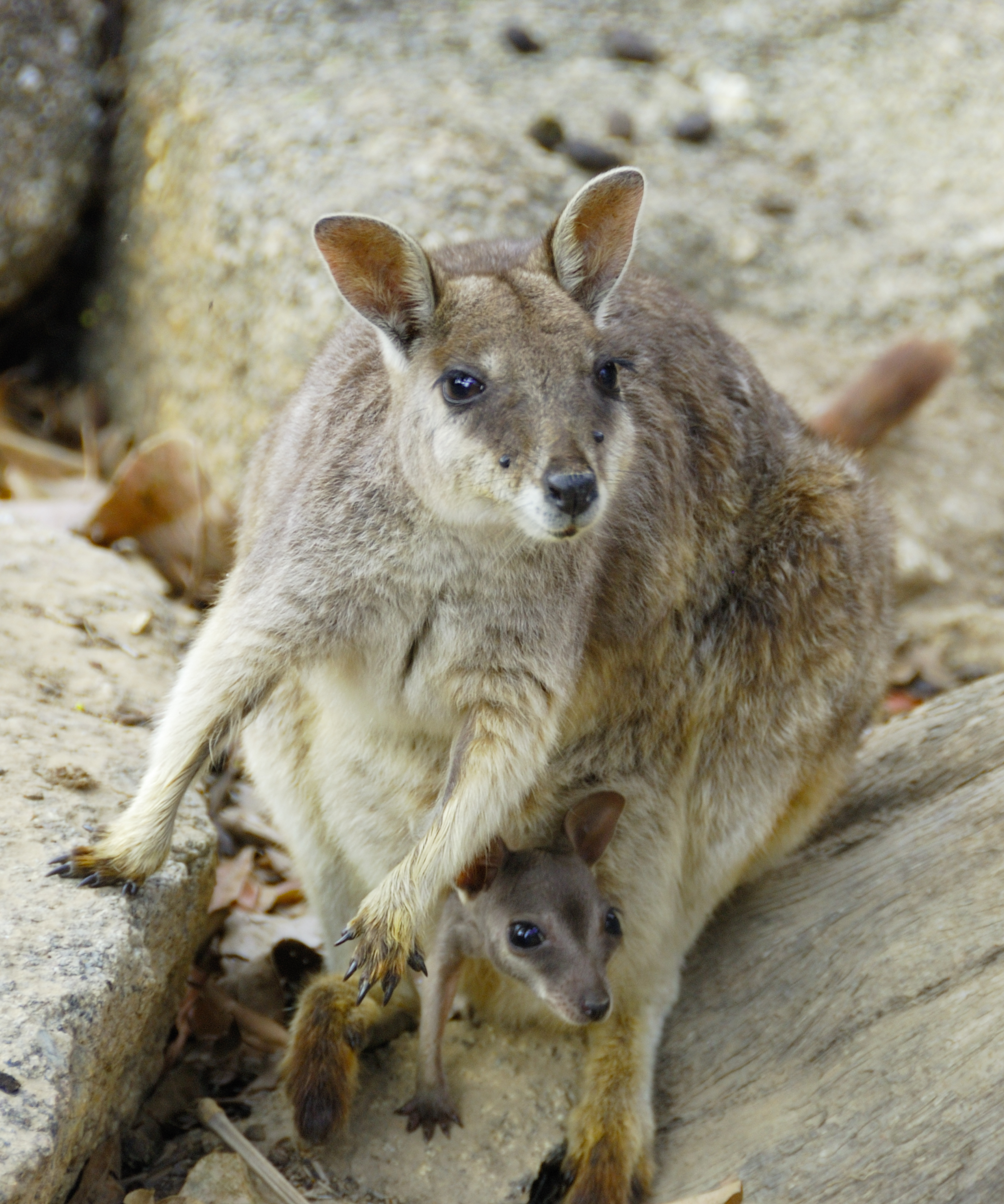
Over half of the 3.3 Gb genome is covered by just twenty scaffolds, at least 47.5 Mb in length - the longest is over 275 Mb! (We normally feel pretty happy to get an N50 of a few Mb.) Cuter than a cane toad too!


Photo credit: Richard.Fisher CC BY 2.0

Wednesday, 28 November 2018

EdwardsLab at #ABACBS2018

For those who missed it, there’s a (slightly old) poster version of my ABACBS 2018 talk - Sequencing snakes: Pseudodiploid pseudo-long-read whole genome sequencing and assembly of Pseudonaja textilis (eastern brown snake) and Notechis scutatus (mainland tiger snake). If anything in the talk (except the repeat stuff) looks useful to you, this is a citeable poster:

Edwards RJ et al. Pseudodiploid pseudo-long-read whole genome sequencing and assembly of Pseudonaja textilis (eastern brown snake) and Notechis scutatus (mainland tiger snake) [version 1; not peer reviewed]. F1000Research 2018, 7:753 (poster) (doi: 10.7490/f1000research.1115550.1)

We’re still developing the genome size prediction and BUSCO comparison/compilation tools, so get in touch if either of these look useful to you.

ABACBS2018 Posters

We have three lab posters in Poster session 2 this morning:

  • Poster #16. Ã…sa Pérez-Bercoff, Using structural variant detection to resolve difficult regions of a genome assembly.

  • Poster #21. Kirsti Paulsen, Optimising intrinsic protein disorder prediction for short linear motif discovery.

  • Poster #26. Katarina Stuart, Evolution in invasive populations: using genomics to reveal drivers of invasion success in the Australian European starling (Sturnus vulgaris) introduction across Australia.

Also check out the posters of our UNSW neighbours from the Wilkins lab:

  • Poster #29. Chi Nam Ignatius (Igy) Pang, Benchmarking Protein Correlation Profiling datasets against reference protein complexes: case studies in S. cerevisiae.

  • Poster #44. Susan Corley, QuantSeq 3’ sequencing paired with Salmon quantification provides a fast reliable approach for high throughput transcriptomic analysis.

  • Poster #49. Xabier Vázquez-Campos, OTUreporter: an automated pipeline for the analysis and report of amplicon sequencing data.

Wednesday, 3 October 2018

Research snapshot - October 2018

One of the most important, interesting and challenging questions in biology is how new traits evolve at the molecular level. My lab employs sequence analysis techniques to interrogate protein and DNA sequences for the signals left behind by evolution. We are a bioinformatics lab but like to incorporate bench data through collaboration wherever possible.

Main Research

The core research in the lab is broadly divided into three main themes:

1. Short Linear Motifs (SLiMs)

Many protein-protein interactions are mediated by Short Linear Motifs (SLiMs): short stretches of proteins (5-15 amino acids long), of which only a few positions are critical to function. These motifs are vital for biological processes of fundamental importance, acting as ligands for molecular signalling, post-translational modifications and subcellular targeting. SLiMs have extremely compact protein interaction interfaces, generally encoded by less than 4 major affinity-/specificity-determining residues. Their small size enables high functional density and evolutionary plasticity, making them frequent products of convergent "ex nihilo" evolution. It also makes them challenging to identify, both experimentally and computationally.

A major focus of the lab is the computational prediction of SLiMs from protein sequences. This research originated with Rich’s postdoctoral research, during which he developed a sequence analysis methods for the rational design of biologically active short peptides. He subsequently developed SLiMDisc, one of the first algorithms for successfully predicting novel SLiMs from sequence data - and coined the term “SLiM” into the bargain. This subsequently lead to the development of SLiMFinder, the first SLiM prediction algorithm able to estimate the statistical significance of motif predictions. SLiMFinder greatly increased the reliability of predictions. SLiMFinder has since spawned a number of motif discovery tools and webservers and is still arguably the most successful SLiM prediction tool on benchmarking data.

Current research is looking to develop these SLiM prediction tools further and apply them to important biological questions. Of particular interest is the molecular mimicry employed by viruses to interact with host proteins and the role of SLiMs in other diseases, such as cancer. Other work is concerned with the evolutionary dynamics of SLiMs within protein interaction networks.

2. The evolution of novel functions.

Previous work in the lab has focused on the evolution of functional specificity following gene duplication. Since moving to UNSW, activities have shifted more towards the use of PacBio long read sequencing and other cutting-edge sequencing technologies, working closely with the Ramaciotti Centre for Genomics. We are collaborating with industrial and academic partners to de novo sequence, assemble, annotate and interrogate the genomes of a selection of microbes with interesting metabolic abilities. Most notably, we have an ARC Linkage Grant with Microbiogen Pty Ltd. to understand how a strain of Saccharomyces cerevisiae has evolved to efficiently use xylose as a sole carbon source: something vital for second generation biofuel production that wild yeast cannot do. We are combining comparative genomics, evolutionary genetics, RNA-Seq transcriptomics, and competition assays to understand how the novel metabolism evolved. Through deep Illumina resequencing of evolving populations, and assembling reliable complete genomes of the founding ancestors, the ultimate goal is to trace how mutations have interacted with existing genetic variation during adaptive evolution.

3. Whole genome sequencing and assembly.

Following our experiences with de novo whole genome assembly in yeast, the lab is getting involved in an increasing number of genome sequencing projects. The biggest of these is leading the bioinformatics and assembly effort in a consortium to sequence the cane toad genome. The lab is also leading the BABS Genome project two iconic Australian snakes for use in teaching and public engagement. We are a member of the Oz Mammals Genomics initiative, assisting with the sequencing and assembly of Australia's unique marsupial fauna. We also have an number of bacterial long-read whole genome sequencing collaborations.

Other Research Projects

In addition to the main research in the lab, the lab has a number of interdisciplinary collaborative projects applying bioinformatics tools and molecular evolution theory to experimental biology, often using large genomic, transcriptomic and/or proteomic datasets. These projects often involve the development of bespoke bioinformatics pipelines and a number of open source bioinformatics tools have been generated as a result. We frequently have small collaborations and/or undergraduate student research projects. Many of these are “on hold” waiting for the right person, or sometimes data, to come along. If you think that you have what it needs, get in touch!

Previous Research

The lab has been involved in a number of interdisciplinary collaborative projects applying bioinformatics tools and molecular evolution theory to experimental biology, often using large genomic, transcriptomic and/or proteomic datasets. These projects often involved the development of bespoke bioinformatics pipelines and a number of open source bioinformatics tools have been generated as a result. Please see the Publications and Lab software pages for more detail, or get in touch if something catches your eye and you want to find out more.

Friday, 15 June 2018

Sequencing snakes: Pseudodiploid pseudo-long-read whole genome sequencing and assembly of Pseudonaja textilis (eastern brown snake) and Notechis scutatus (mainland tiger snake)

Richard J Edwards, Timothy G Amos, Joshua Tang, Beni Cawood, Sabrina Rispin, Daniel Enosi Tuipulotu & Paul Waters.

This work was presented at the Sydney Bioinformatics Research Symposium 2018. (Abstract below.) Click on thumbnail for full resolution PDF. Citation:

Edwards RJ et al. Pseudodiploid pseudo-long-read whole genome sequencing and assembly of Pseudonaja textilis (eastern brown snake) and Notechis scutatus (mainland tiger snake) [version 1; not peer reviewed]. F1000Research 2018, 7:753 (poster) (doi: 10.7490/f1000research.1115550.1)

Abstract

The precipitous drop in sequencing costs over recent years has seen the bottleneck in vertebrate whole genome sequencing (WGS) shift from data generation (sequencing) to data processing (assembly and annotation). Draft genomes generated from cheap shotgun Illumina sequencing tend to be highly fragmented with many tens of thousands of short contigs or scaffolds. This can be improved by preparing multiple paired end and “mate pair” libraries with different insert sizes, but this increases the cost of both sequencing and data storage/analysis. PacBio or Oxford Nanopore long read sequencing enables massive improvements in assembly quality but tends to be prohibitively expensive for organisms with large genome sizes, such as vertebrates. 10x Genomics Chromium “linked read” sequencing offers a solution to this problem. High molecular weight molecules of DNA are barcoded prior to standard shotgun Illumina sequencing. These barcodes can then be used for pseudo-long-read assembly, with improved handling of repetitive regions. Where heterozygous variants are dense enough, haplotypes can be phased to generate a “pseudodiploid” assembly with some regions represented as two alleles. This is all for the cost of an additional library prep with no extra sequencing. But does it work?

We have sequenced two of the deadliest venomous snakes in Australia using 10x Chromium linked reads: the mainland tiger snake (Notechis scutatus) and the eastern brown snake (Pseudonaja textilis). Supernova v2 assemblies of the data generated exceptionally high quality genomes for the price, with maximum scaffolds over 50 Mb and N50 values of 5.99 Mb for the tiger snake and 14.7 Mb for the brown snake. This was reflected in BUSCO (v2.0.1 short) completeness estimates of 87.3% (tiger snake) and 90.5% (brown snake). These data will be compared to tiger snake WGS using standard paired end Illumina NovaSeq shotgun sequencing, and discussed with respect to some of the downstream opportunities and challenges provided by pseudodiploid genome assemblies. In particular, BUSCO analysis of haploid, pseudodiploid, and non-redundant genome assemblies revealed some interesting and unexpected behaviour of this widely-used tool. We also present results from GenomeR, a Shiny app (in development) for batch kmer genome size estimation (http://shiny.slimsuite.unsw.edu.au/GenomeR/).

Snake genomes and ongoing annotation are being made available through the lab Web Apollo browser and search tool (http://www.slimsuite.unsw.edu.au/servers/apollo.php). We welcome contact from anyone interested in getting involved with the annotation and analysis of these genomes.

Saturday, 26 November 2016

The cane toad genome project

What are we doing? The Edwards Lab is part of an Australian, Portuguese and Brazilian consortium led by Peter White to sequence and assemble the genome of the cane toad (Rhinella marina). We are leading the bioinformatics component of the assembly effort.

How are we doing it? We are using a combination of Illumina (HiSeq X and NovaSeq) short read sequencing, PacBio (RS II) long read and sequence and 10x Genomics Chromium linked reads.

Details to follow. Please get in touch if you are interested in the project.

Opportunities

Honours and postgraduate* projects are available to work on the assembly and annotation. (*PhD students should have their own scholarship.)

Consortium members

Miguel Carneiro (CIBIO-InBIO), Richard Edwards (UNSW), Nuno Ferrand (CIBIO-InBIO), Eddie Holmes (U Sydney), Craig Moritz (ANU), Lee Ann Rollins (Deakin), Fernando Sequeira (CIBIO-InBIO), Rick Shine (U Sydney), Marcelo Vallinoto de Souza (Federal University of Pará & CIBIO-InBIO), Peter White (UNSW), Marc Wilkins (UNSW).