Showing posts with label depthsizer. Show all posts

Saturday, 16 November 2024

Repeat-Rich Regions Cause False-Positive Detection of NUMTs: A Case Study in Amphibians Using an Improved Cane Toad Reference Genome

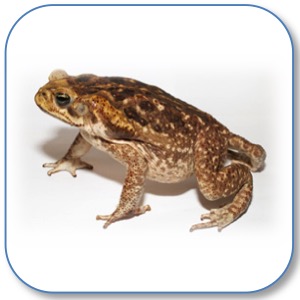
Version 3* of the cane toad reference genome, aRhiMar1.3 is now officially out and published in Genome Biology and Evolution. [*It’s only the second published genome but for internal reasons the original draft genome was version 2!].

The focus of the paper itself is confirming the lack of Nuclear Mitochondrial fragments (a.k.a. NUMTs) in the cane toad genome, which could impact whole-mitogenome analysis of genetic diversity in cane toads. We were pretty surprised when we first looked for NUMTs in the cane toad genome and could not find any! The draft genome is pretty drafty, especially in terms of missing repetitive regions, so an updated long-read assembly was important to rule out a false negative result.

The new genome is in much better shape, with an extra 922 Mbp (>95% repeats) and a 15x increase in scaffold N50 (2.5 Mbp). (My biggest regret with the original paper was not sticking to my guns and including an early DepthSizer genome size estimate of 3.5 Mbp, which has subsequently turned out to be correct.) The cane toad genome remains a tough nut to crack, and we didn’t quite reach the magic 1Mb contig N50 (860 kb), but the functional completeness was markedly improved and we are pretty confident that the continued absence of NUMT detection is a real phenomenom and does not simply reflect technical limitations.

Watch this space for a chromosome-level cane toad genome, which is still in the works.

Cheung K, Rollins LA, Hammond JM, Barton K, Ferguson JM, Eyck HJF, Shine R & Edwards RJ (2024): Repeat-rich regions cause false positive detection of NUMTs - a case study in amphibians using an improved cane toad reference genome. Genome Biology and Evolution evae246. [Gen Biol Evol] [bioRxiv] [PubMed]

Mitochondrial DNA (mtDNA) has been widely used in genetics research for decades. Contamination from nuclear DNA of mitochondrial origin (NUMTs) can confound studies of phylogenetic relationships and mtDNA heteroplasmy. Homology searches with mtDNA are widely used to detect NUMTs in the nuclear genome. Nevertheless, false-positive detection of NUMTs is common when handling repeat-rich sequences, while fragmented genomes might result in missing true NUMTs. In this study, we investigated different NUMT detection methods and how the quality of the genome assembly affects them. We presented an improved nuclear genome assembly (aRhiMar1.3) of the invasive cane toad (Rhinella marina) with additional long-read Nanopore and 10× linked-read sequencing. The final assembly was 3.47 Gb in length with 91.3% of tetrapod universal single-copy orthologs (n = 5,310), indicating the gene-containing regions were well assembled. We used 3 complementary methods (NUMTFinder, dinumt, and PALMER) to study the NUMT landscape of the cane toad genome. All 3 methods yielded consistent results, showing very few NUMTs in the cane toad genome. Furthermore, we expanded NUMT detection analyses to other amphibians and confirmed a weak relationship between genome size and the number of NUMTs present in the nuclear genome. Amphibians are repeat-rich, and we show that the number of NUMTs found in highly repetitive genomes is prone to inflation when using homology-based detection without filters. Together, this study provides an exemplar of how to robustly identify NUMTs in complex genomes when confounding effects on mtDNA analyses are a concern.

Friday, 14 January 2022

The Waratah genome paper is out!

The final version of the waratah genome paper now out in Molecular Ecology Resources. This was a fun collaboration with the Royal Botanic Gardens and Domain Trust as one of the pilot genomes for BioPlatforms Australia’s Genomics for Australian Plants (GAP) initiative.

You can read the press release here, or our piece in the Conversation, We’ve unveiled the waratah’s genetic secrets, helping preserve this Australian icon for the future.

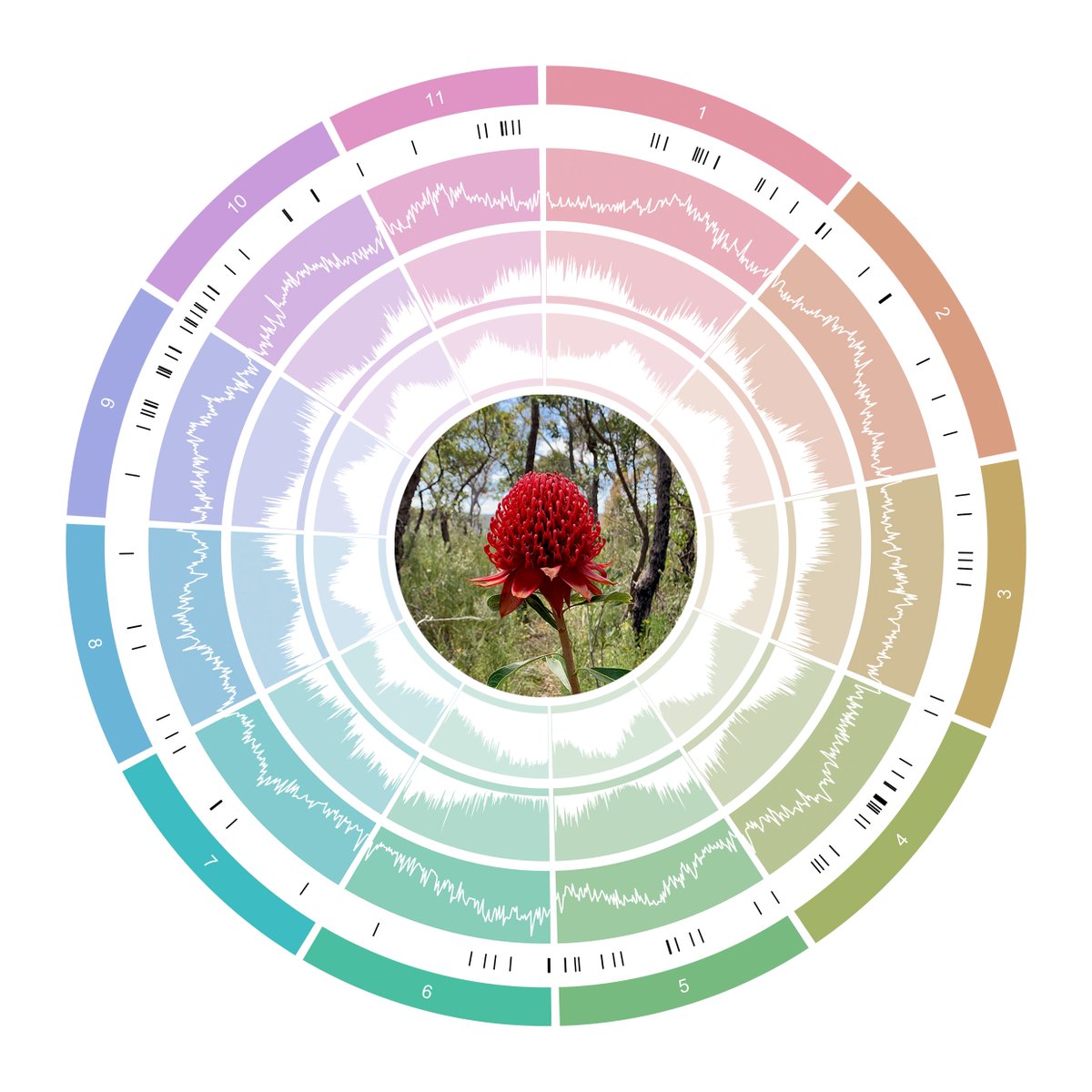
In this paper, we present a chromosome-level assembly for the NSW State Floral Emblem, the New South Wales waratah, Telopea speciosissima. This joins macadamia as the 2nd reference genome for the Proteaceae family & should help future studies for the remaining ca. 1700 species.

The genome was assembled from a ONT chassis, scaffolded with 10x Genomics linked reads and Phase Genomics HiC - made possible thanks to quality data from AGRF and the Ramaciotti Centre for Genomics. The final assembly was chromosome-level, with 94.1% on the 11 chromosomes (2n = 22).

As well as the assembly itself, the paper presents a three genomics tools that we hope will be helpful for other assemblies:

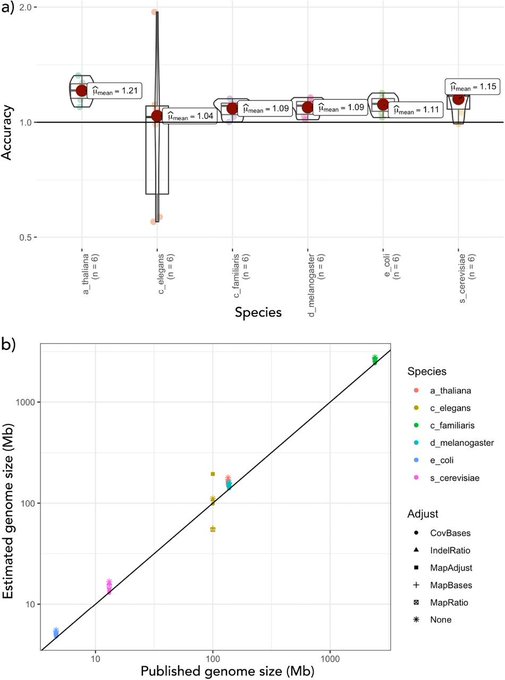
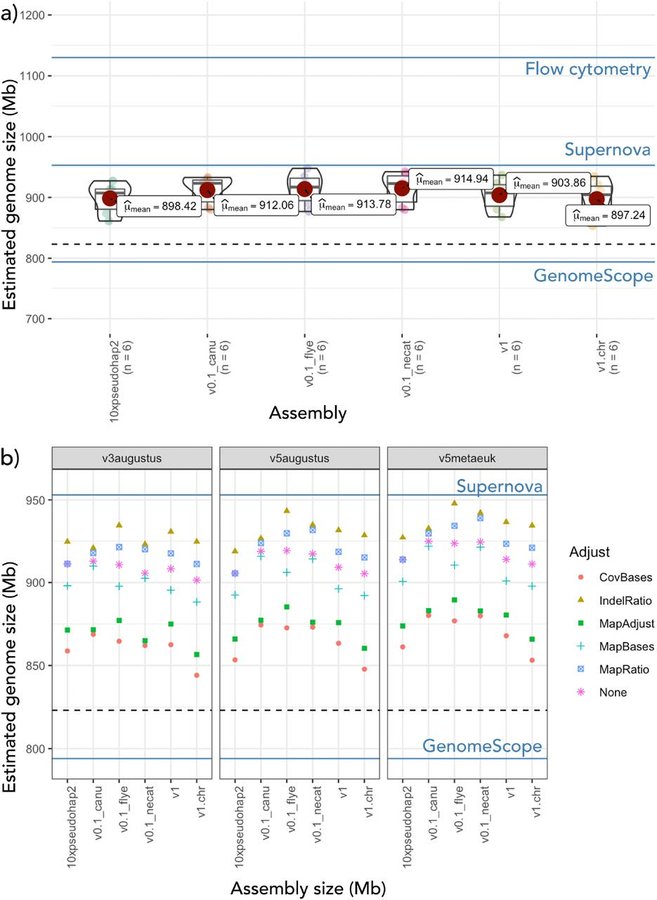
1. DepthSizer uses long-read depths and BUSCO predictions to estimate genome size. We estimated the waratah genome to be ca. 900 Mbp - bigger than kmer estimates, but smaller than flow cytometry of Tasmanian waratah.

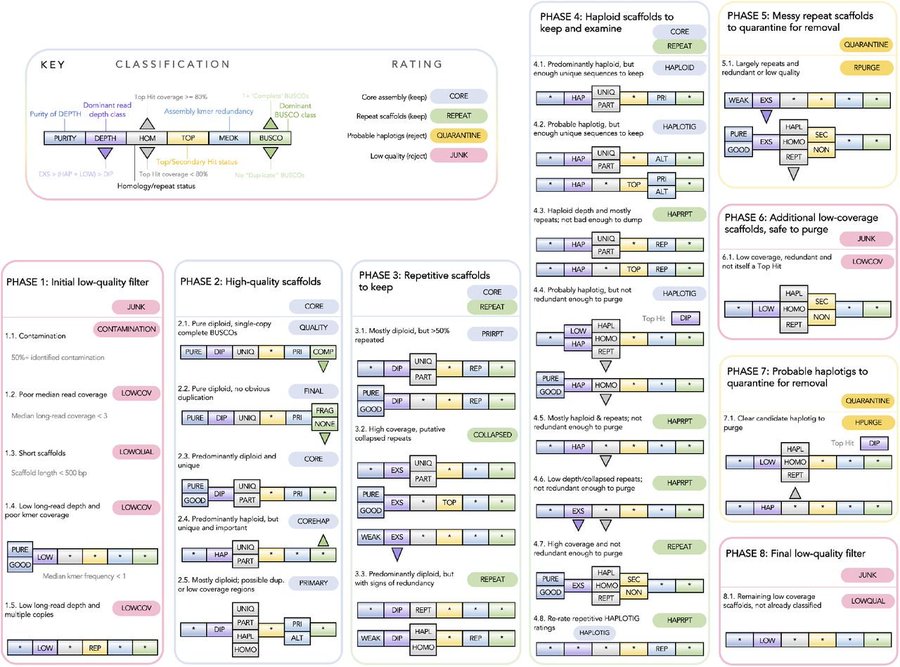
2. Diploidocus builds on Purge Haplotigs, combining read depths, kmer frequencies & BUSCO predictions to classify and curate/filter assembly scaffolds. This decreases false duplications & contamination, and flags collapsed repeats for closer inspection.

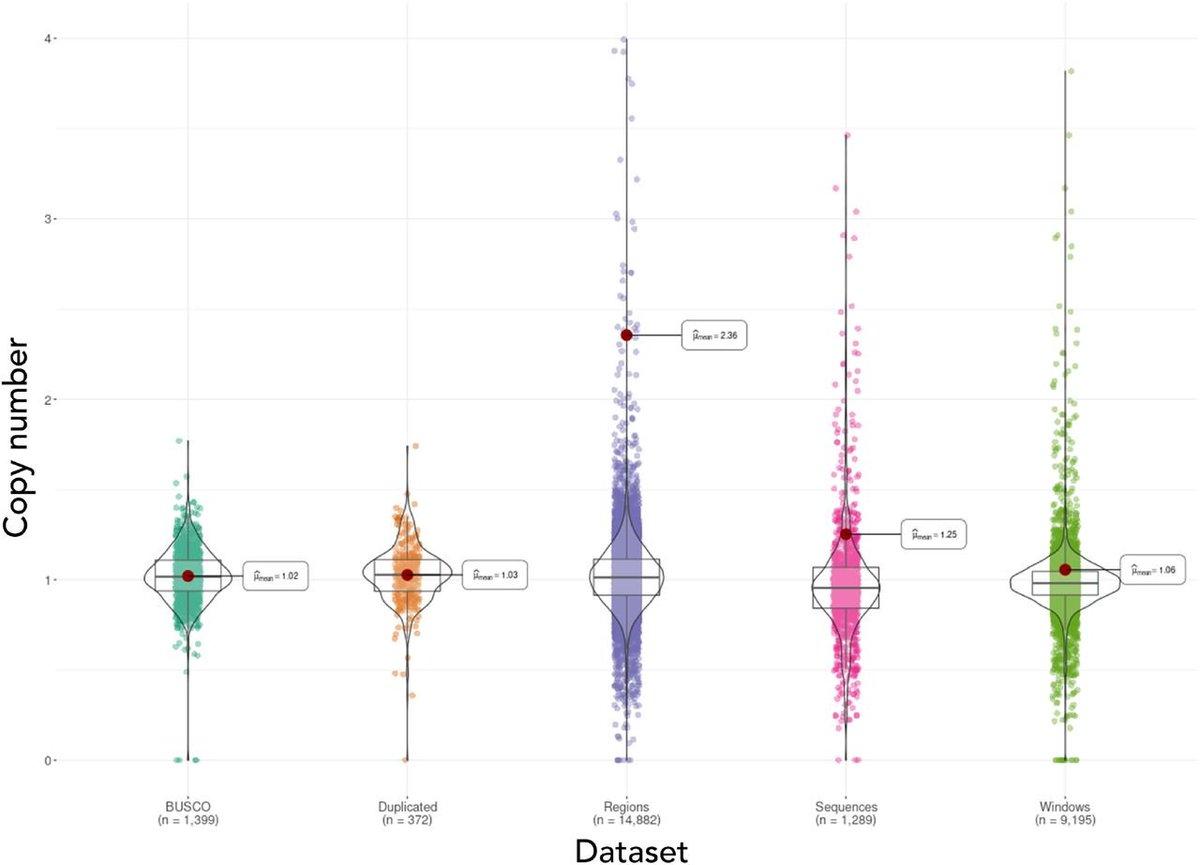
3. DepthKopy uses BUSCO Complete genes to establish sequencing depth (like DepthSizer) and then estimates copy number for regions (e.g. genes), scaffolds & sliding windows of the assembly. This showed that most “Duplicated” BUSCOs are real duplicates.


Chen SH, Rossetto M, van der Merwe M, Lu-Irving P, Yap JS, Sauquet H, Bourke G, Amos TG, Bragg JG & Edwards RJ (accepted): Chromosome-level de novo genome assembly of Telopea speciosissima (New South Wales waratah) using long-reads, linked-reads and Hi-C. Molecular Ecology Resources.
[Mol Ecol Res] [bioRxiv]

Abstract

Telopea speciosissima, the New South Wales waratah, is an Australian endemic woody shrub in the family Proteaceae. Waratahs have great potential as a model clade to better understand processes of speciation, introgression and adaptation, and are significant from a horticultural perspective. Here, we report the first chromosome-level genome for T. speciosissima. Combining Oxford Nanopore long-reads, 10x Genomics Chromium linked-reads and Hi-C data, the assembly spans 823 Mb (scaffold N50 of 69.0 Mb) with 97.8% of Embryophyta BUSCOs “Complete”. We present a new method in Diploidocus (https://github.com/slimsuite/diploidocus) for classifying, curating and QC-filtering scaffolds, which combines read depths, k-mer frequencies and BUSCO predictions. We also present a new tool, DepthSizer (https://github.com/slimsuite/depthsizer), for genome size estimation from the read depth of single-copy orthologues and estimate the genome size to be approximately 900 Mb. The largest 11 scaffolds contained 94.1% of the assembly, conforming to the expected number of chromosomes (2n = 22). Genome annotation predicted 40,158 protein-coding genes, 351 rRNAs and 728 tRNAs. We investigated CYCLOIDEA (CYC) genes, which have a role in determination of floral symmetry, and confirm the presence of two copies in the genome. Read depth analysis of 180 “Duplicated” BUSCO genes using a new tool, DepthKopy (https://github.com/slimsuite/depthkopy), suggests almost all are real duplications, increasing confidence in the annotation and highlighting a possible need to revise the BUSCO set for this lineage. The chromosome-level T. speciosissima reference genome (Tspe_v1) provides an important new genomic resource of Proteaceae to support the conservation of flora in Australia and further afield.

If you want a read and don’t have access, please get it touch or check out the bioRxiv preprint.

Wednesday, 24 November 2021

#ABACBS2021 Lightning talk - DepthSizer and DepthKopy: genome size and copy number prediction using single-copy long-read depth profiles

Tune in for the ABACBS 2021 lightning talks this morning to hear about our applications of long reads to genome size and copy number prediction. For more information, you can read the NSW Waratah genome paper pre-print or visit the GitHub pages for DepthSizer and DepthKopy.

Richard J Edwards, Stephanie H Chen, Katarina C Stuart, Mark M Tanaka, Jason G Bragg.

DepthSizer and DepthKopy: genome size and copy number prediction using single-copy long-read depth profiles

A fundamental part of any genome project is establishing the genome size of the organism being sequenced. The gold standard for genome size measurement is flow cytometry, but this is not available to all groups and can give surprisingly variable results. Popular bioinformatic approaches predict genome size using kmer frequency profiles from high-accuracy (e.g. illumina or hifi) sequencing reads, or the mean depth of coverage reads mapped to an assembly. Both of these approaches can be adversely affected by repetitive regions of the genome. Mean sequencing depth is also highly reliant on assembly completeness.

Here, we present DepthSizer (https://github.com/slimsuite/depthsizer), which refines this approach by estimating sequencing depth based on single-copy complete BUSCO genes. DepthSizer works on the principle that genuine single-copy regions will tend towards the same, true, single-copy read depth. In contrast, assembly errors, collapsed repeats within those genes, or incorrect BUSCO predictions, will give inconsistent read depth deviations. The modal read depth across single-copy BUSCO genes, calculated from a depth density profile of these regions, should therefore provide a good estimate of the true depth of coverage. The method is benchmarked on model organism data and corrections for possible contamination, biases/inconsistencies in read mapping and/or raw read insertion/deletion error profiles are discussed. We also present DepthKopy (https://github.com/slimsuite/depthkopy), which uses the same read depth approach to estimate the copy number of assembly regions. This can be useful for identifying haplotigs, and collapsed repeat regions.

Keywords: BUSCO, Genome Assembly, Genomics, ONT, PacBio, copy number variants

Thursday, 3 June 2021

Chromosome-level de novo genome assembly of Telopea speciosissima (New South Wales waratah) using long-reads, linked-reads and Hi-C

The latest genomics paper from the lab is now out on bioRvix. This is the first paper from Stephanie Chen’s PhD project in collaboration with the Royal Botanic Gardens and Domain Trust (RBGDT), Sydney. In this paper, Stephanie reports on the chromosome-level assembly of the New South Wales Waratah, the floral emblem of NSW. This is the first of the pilot reference genomes to be released from the Genomics for Australian Plants initiative.

In addition to the genome itself, this paper describes a couple of genomics tools from the lab. DepthSizer (https://github.com/slimsuite/depthsizer) uses BUSCO predictions to establish the single-copy read depth of sequencing data, from which the genome size can be estimated in a way that is hopefully quite robust to assembly quality. Diploidocus (https://github.com/slimsuite/diploidocus) has been used for our previous Dog genome assemblies to help eliminate “haplotigs” (heterozygous regions of the genome that appear in the assembly twice), and low-quality sequences, in addition to flagging possible collapsed repeats or contaminants for further investigation. Here, the Diploidocus “tidy” pipeline is considerably extended for a much more nuanced classification and filtering of scaffolds, using a combination of read depths, homology, kmer analysis and BUSCO predictions.


Chen SH, Rossetto M, van der Merwe M, Lu-Irving P, Yap JS, Sauquet H, Bourke G, Bragg JG & Edwards RJ (preprint): Chromosome-level de novo genome assembly of Telopea speciosissima (New South Wales waratah) using long-reads, linked-reads and Hi-C. bioRxiv 2021.06.02.444084; doi: 10.1101/2021.06.02.444084.
[bioRxiv]

Abstract

Background: Telopea speciosissima, the New South Wales waratah, is Australian endemic woody shrub in the family Proteaceae. Waratahs have great potential as a model clade to better understand processes of speciation, introgression and adaptation, and are significant from a horticultural perspective. Findings: Here, we report the first chromosome-level reference genome for T. speciosissima. Combining Oxford Nanopore long-reads, 10x Genomics Chromium linked-reads and Hi-C data, the assembly spans 823 Mb (scaffold N50 of 69.0 Mb) with 91.2 % of Embryophyta BUSCOs complete. We introduce a new method in Diploidocus (https://github.com/slimsuite/diploidocus) for classifying, curating and QC-filtering assembly scaffolds. We also present a new tool, DepthSizer (https://github.com/slimsuite/depthsizer), for genome size estimation from the read depth of single copy orthologues and find that the assembly is 93.9 % of the estimated genome size. The largest 11 scaffolds contained 94.1 % of the assembly, conforming to the expected number of chromosomes (2n = 22). Genome annotation predicted 40,158 protein-coding genes, 351 rRNAs and 728 tRNAs. Our results indicate that the waratah genome is highly repetitive, with a repeat content of 62.3 %. Conclusions: The T. speciosissima genome (Tspe_v1) will accelerate waratah evolutionary genomics and facilitate marker assisted approaches for breeding. Broadly, it represents an important new genomic resource of Proteaceae to support the conservation of flora in Australia and further afield.