Showing posts with label collaborations. Show all posts

Tuesday, 3 December 2024

So long, Ocean Genomes... and thanks for all the fish!

After a successful couple of years, today was my last day at UWA. I am proud of the team that I helped to build at the Minderoo Oceanomics Centre at UWA, and the things we have accomplished together. The UWA Oceans Institute has been a fantastic place to work, and I look forward to completing some exciting ongoing collaborations in my capacity as adjunct. It's been exciting to see Ocean Genomes grow from a concept with a largely empty lab to a fully-fledged genome factory capable of generating multiple high-quality genomes a week. The associated publications should hopefully be following soon, and I look forward to continued collaboration with the team as an Oceans Institute adjunct.

Developments in DNA sequencing technology over the past few years have been immense, but the most impressive part for me has been witnessing the laboratory technical team optimising the sample preparations for sequencing. Everything gets so much harder when you move from human samples (the focus of most methods development and testing) into non-model organisms, and I am convinced that the quality of genomes we’ve been producing is in large part due to the quality of the DNA going into the sequencers.

I am now looking for my next challenge and am officially Open For Work. We’ll be moving back to Dublin at the end of January. If you are based in Ireland and need an experienced interdisciplinary problem solver with broad expertise across bioinformatics and biomolecular science, please get in touch! Academic and non-academic opportunities are welcome.

Monday, 2 November 2020

Antarctic desert soil bacteria exhibit high novel natural product potential, evaluated through long-read genome sequencing and comparative genomics

The third of our collaborative “controlled bacterial metagenome” de novo whole genome assembly projects was published in Environmental Microbiology in November. This was a fun collaboration with the Ferrari lab at UNSW trying to maximise bang for buck to sequence some complete bacterial genomes using PacBio sequencing to identify biosynthetic gene clusters. As with a previous paper, we used pooled genomic DNA sequencing and were able to assemble complete genomes (and plasmids) of the 13/17 species that had sufficient depth of coverage. Coolest of all (if you excuse the pun), these were bugs from an Antarctic expedition! Head over to the Ferrari lab website to find out more about their research.

Benaud N, Edwards RJ, Amos TG, D’Agostino PM, Gutiérrez-Cháveza C, Montgomery K, Nicetic I & Ferrari BC (2020). Antarctic desert soil bacteria exhibit high novel natural product potential, evaluated through long-read genome sequencing and comparative genomics. Environmental Microbiology. https://doi.org/10.1111/1462-2920.15300

Abstract

Actinobacteria and Proteobacteria are important producers of bioactive natural products (NP), and these phyla dominate in the arid soils of Antarctica, where metabolic adaptations influence survival under harsh conditions. Biosynthetic gene clusters (BGCs) which encode NPs, are typically long and repetitious high G + C regions difficult to sequence with short‐read technologies. We sequenced 17 Antarctic soil bacteria from multi‐genome libraries, employing the long‐read PacBio platform, to optimize capture of BGCs and to facilitate a comprehensive analysis of their NP capacity. We report 13 complete bacterial genomes of high quality and contiguity, representing 10 different cold‐adapted genera including novel species. Antarctic BGCs exhibited low similarity to known compound BGCs (av. 31%), with an abundance of terpene, non‐ribosomal peptide and polyketide‐encoding clusters. Comparative genome analysis was used to map BGC variation between closely related strains from geographically distant environments. Results showed the greatest biosynthetic differences to be in a psychrotolerant Streptomyces strain, as well as a rare Actinobacteria genus, Kribbella, while two other Streptomyces spp. were surprisingly similar to known genomes. Streptomyces and Kribbella BGCs were predicted to encode antitumour, antifungal, antibacterial and biosurfactant‐like compounds, and the synthesis of NPs with antibacterial, antifungal and surfactant properties was confirmed through bioactivity assays.

Tuesday, 9 July 2019

We’ve been funded! ARC Linkage - Optimising plant populations for ecological restoration and resilience

We are very happy to report another successful ARC Linkage grant application.

LP180100721: Optimising plant populations for ecological restoration and resilience

Dr Richard Edwards; Professor Justin Borevitz; Dr Jason Bragg; Dr Maurizio Rossetto; Dr Brett Summerell; Dr Marlien van der Merwe

When choosing individual plants for restoration populations, there is potentially a trade-off between maximising genetic diversity (‘adaptability’) and selection for desirable properties (‘adaptation’). This project aims to develop pioneering methods to quantify this trade-off, and facilitate the design of optimised populations, with a focus on two Australian rainforest trees that are being impacted by myrtle rust infection: Rhodamnia argentea and Rhodamnia rubescens. By studying the genetic variation in each species, and how this relates to myrtle rust resistance and climate, this project aims to design populations that are genetically diverse, maximally resistant to myrtle rust, and adapted to future climate.

We are collaborating with the Royal Botanic Garden and Domain Trust to apply genomics to challenges of conservation for rainforest trees in the face of climate change and invasive pathogens.

There will be job and studentship opportunities associated with this grant, so watch this space (or get in touch)!

Monday, 17 December 2018

What are we sequencing next? The waratah!

Thanks to seed funding from the UNSW, we were able to sequence two rainforest tree species earlier this year in collaboration with the Royal Botanic Gardens and Domain Trust (RBGDT), Sydney. I am pleased to announce that, together with RBGDT and the Blue Mountains Botanic Garden, Mt Tomah, we won a bid to sequence one of the first genomes as part of the new Genomics for Australian Plants Framework Initiative by Bioplatforms Australia: the NSW state flower, the Waratah (Telopea speciosissima).

As announced recently, this is one of three species selected for the initial pilot study. Details will be sorted out in the new year, but we will be looking to use a combination of 10x Genomics linked reads and long-read sequencing (PacBio and/or Nanopore).

Collaborators on the project: M Rossetto1, M van der Merwe1, H Sauquet1, P Lu-Irving1, J Bragg1, G Bourke2, RJ Edwards3

  1. Royal Botanic Gardens and Domain Trust, Sydney
  2. Blue Mountains Botanic Garden, Mt Tomah
  3. The University of New South Wales, Sydney

Image: Telopea speciosissima, Suellen’s Garden, Falls Ck NSW: Photo, Suellen Harris

Wednesday, 28 November 2018

EdwardsLab at #ABACBS2018

For those who missed it, there’s a (slightly old) poster version of my ABACBS 2018 talk - Sequencing snakes: Pseudodiploid pseudo-long-read whole genome sequencing and assembly of Pseudonaja textilis (eastern brown snake) and Notechis scutatus (mainland tiger snake). If anything in the talk (except the repeat stuff) looks useful to you, this is a citeable poster:

Edwards RJ et al. Pseudodiploid pseudo-long-read whole genome sequencing and assembly of Pseudonaja textilis (eastern brown snake) and Notechis scutatus (mainland tiger snake) [version 1; not peer reviewed]. F1000Research 2018, 7:753 (poster) (doi: 10.7490/f1000research.1115550.1)

We’re still developing the genome size prediction and BUSCO comparison/compilation tools, so get in touch if either of these look useful to you.

ABACBS2018 Posters

We have three lab posters in Poster session 2 this morning:

  • Poster #16. Åsa Pérez-Bercoff, Using structural variant detection to resolve difficult regions of a genome assembly.

  • Poster #21. Kirsti Paulsen, Optimising intrinsic protein disorder prediction for short linear motif discovery.

  • Poster #26. Katarina Stuart, Evolution in invasive populations: using genomics to reveal drivers of invasion success in the Australian European starling (Sturnus vulgaris) introduction across Australia.

Also check out the posters of our UNSW neighbours from the Wilkins lab:

  • Poster #29. Chi Nam Ignatius (Igy) Pang, Benchmarking Protein Correlation Profiling datasets against reference protein complexes: case studies in S. cerevisiae.

  • Poster #44. Susan Corley, QuantSeq 3’ sequencing paired with Salmon quantification provides a fast reliable approach for high throughput transcriptomic analysis.

  • Poster #49. Xabier Vázquez-Campos, OTUreporter: an automated pipeline for the analysis and report of amplicon sequencing data.

Tuesday, 15 August 2017

High risk human papilloma viruses (HPVs) are present in benign prostate tissues before development of HPV associated prostate cancer

Glenn WK, Ngan CC, Amos TG, Edwards RJ, Swift J, Lutze-Mann L, Shang F, Whitaker NJ & Lawson JS (2017): High risk human papilloma viruses (HPVs) are present in benign prostate tissues before development of HPV associated prostate cancer. Infectious Agents and Cancer 12:46.

Abstract

Background. Although high risk HPVs are associated with an increased risk of prostate cancer it is not known if they have a causal role. The purpose of this study is to investigate the potential role of human papilloma viruses (HPVs) in prostate cancer. The aims are (i) to investigate the presence and confirm the identity of high risk HPVs in benign prostate tissues prior to the development of HPV positive prostate cancer in the same patients, and (ii) to determine if HPVs are biologically active.

Methods. We used polymerase chain reaction (PCR) to identify HPVs in specimens from 52 Australian men with benign prostate biopsies who 1 to 10 years later developed prostate cancer. Immunohistochemistry (IHC) was used to assess the expression of HPV E7 oncoproteins, cytokeratin and prostate specific antigen (PSA).

We used RNASeq data from The Cancer Genome Atlas (TCGA) to identify possible HPV RNA sequences in prostate cancer.

Results. HPV screening using standard PCR was conducted on 28 of the 52 sets of benign and later prostate cancers. HPV L1 genes were identified in 13 (46%) benign and 8 (29%) of 28 later prostate cancers in the same patients. HPV E7 genes were identified in 23 (82%) benign and 19 (68%) of 28 subsequent prostate cancers in the same patients. The same HPV types were present in both the benign and subsequent prostate cancers in 9 sets of specimens. HPV type 16 was identified in 15% of benign and 3% of prostate cancers. HPV type 18 was identified in 26% of benign and 16% of prostate cancers. Small numbers of HPV types 45, 47, 76 and 115 were also identified.

High confidence RNA-Seq evidence for high risk HPV types 16 and 18 was identified in 12 (2%) of the 502 TCGA prostate cancer transcriptomes.

High risk HPV E7 oncoprotein was positively expressed in 23 (82%) of 28 benign prostate specimens but only in 8 (29%) of 28 of the later prostate cancer specimens. This difference is statistically significant (p = 0.001). Prostate specific antigen (PSA) was more highly expressed in 26 (50%) of 52 prostate cancer specimens as compared to prior benign prostate specimens in the same patients.

Conclusions. High risk HPVs are present in benign prostate tissues prior to the development of HPV positive prostate cancer. There is a significantly higher expression of HPV E7 oncoproteins in benign prostate tissues as compared to late prostate cancer that subsequently developed in the same patients. This observation suggests that HPV oncogenic activity is an early phenomenon in a majority of prostate oncogenesis. TCGA RNA-Seq data suggests that HPV is biologically active in some prostate tumour samples.

Emeritus Professor Jim Lawson has this to say about the study:

“Human papilloma viruses are the cause of cervical cancer in women. These viruses are sexually transmitted. Infections by human papilloma viruses can be prevented by effective vaccines including the Australian developed Gardosil.

Scientists from the University of New South Wales, Sydney, Australia, have identified high risk human papilloma viruses in normal prostate tissues 2 to 12 years before the development of human papilloma virus positive prostate cancer. While the scientists do not claim this is evidence that human papilloma viruses are a direct cause of prostate cancer, they advise that it is prudent for both men and women to act with caution.

Human papilloma viruses are present in semen in over 15% of men and can be readily transmitted during sexual activities.

Vaccines such as the Australian developed Gardosil, are safe and effective in preventing infections by human papilloma viruses. The University of New South Wales scientists strongly encourage both young men and women to prevent human papilloma virus infections by vaccination at a young age.”

Tuesday, 4 July 2017

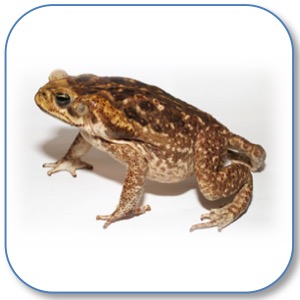
GEN2017: Mitochondrial variation and heteroplasmy in Australian and Hawai’ian cane toads

If you were attending this year’s Annual Conference of the Genetics Society of Australasia with the NZ Society for Biochemistry & Molecular Biology, hopefully you made it to the oral presentation of Lee Ann Rollins. Although we do not yet have enough PacBio data for a pure long read assembly of the nuclear genome, the mitochondrion is another matter!

Mitochondrial variation and heteroplasmy in Australian and Hawai’ian cane toads.

Lee A Rollins[1], Mark F Richardson[1], Daniel M Selechnik[2], Andrea J West[1], Timothy G Amos[3], Richard J Edwards[3] & Richard Shine[2]

  1. School of Life and Environmental Sciences, Centre for Integrative Ecology, Deakin University, Geelong, VIC, Australia
  2. School of Life and Environmental Sciences, University of Sydney, Sydney, NSW, Australia
  3. School of Biotechnology and Biomolecular Sciences, University of New South Wales, Sydney, NSW, Australia

Abstract

Background/Aims. Invasive species can adapt to new environments despite low levels of standing genetic diversity due to small founding numbers or sequential introductions. The iconic Australian cane toad was sourced from an introduced population in Hawai’i and conflicting evidence exists regarding the level of genetic diversity across these invasions.

Methods. We extracted mitochondrial sequence data from the genome of one individual sequenced using the PacBio RSII and Illumina X10 platforms. From these data, we assembled and annotated the mitochondrial genome. RNAseq data from 18 individuals collected from Hawai’i and 68 individuals from Australia were aligned to the reference sequence. We quantified polymorphism across samples and heteroplasmy (multiple mitochondrial haplotypes within individuals).

Results. A complete, annotated mitochondrial reference genome was constructed consisting of 18154 base pairs (bp), the largest reported bufonid mitochondrial genome. We aligned RNAseq data to the entire reference sequence, with the exception of a 347bp region containing several 104bp repeats. We identified 16 polymorphisms (17 haplotypes); one haplotype was common to 65 individuals sampled in both introductions. Heteroplasmy was detected at most polymorphic sites and also at multiple sites where the predominant haplotype was common to all individuals.

Conclusions. Mitochondrial diversity is low in Australian and Hawai’ian cane toads. Our findings add to the growing body of evidence that heteroplasmy may be ubiquitous across taxa. Selection within heteroplasmic individuals (recently demonstrated in expanding populations) may provide an important source of variation in genetically depauperate populations.

Funding. Australian Research Council DE150101393 (LAR) and FL120100074 (RS)

Monday, 9 January 2017

Peter Santosa (SVRS Student)

Peter is a 3rd year Advance Science student who worked in the lab in January-February 2017 on the Summer Vacation Research Scholarship (SVRS). Peter was working on a bacterial sequencing project in collaboration with Mike Manefield at UNSW. We have successfully used PacBio sequencing to fully and contiguously assemble the genome of a new bacterial strain from a mixed culture. Peter’s project was analysing assembled contigs from other organisms in the culture.

Peter is undertaking a double major of molecular and cell biology and microbiology at UNSW.

Monday, 20 June 2016

Transcriptome analysis of human brain tissue identifies reduced expression of complement complex C1Q Genes in Rett syndrome

Lin P, Nicholls L, Assareh H, Fang Z, Amos TG, Edwards RJ, Assareh AA, Voineagu I (2016): Transcriptome analysis of human brain tissue identifies reduced expression of complement complex C1Q Genes in Rett syndrome. BMC Genomics 17(1):427. doi: 10.1186/s12864-016-2746-7.

Abstract

BACKGROUND: MECP2, the gene mutated in the majority of Rett syndrome cases, is a transcriptional regulator that can activate or repress transcription. Although the transcription regulatory function of MECP2 has been known for over a decade, it remains unclear how transcriptional dysregulation leads to the neurodevelopmental disorder. Notably, little convergence was previously observed between the genes abnormally expressed in the brain of Rett syndrome mouse models and those identified in human studies.

METHODS: Here we carried out a comprehensive transcriptome analysis of human brain tissue from Rett syndrome brain using both RNA-seq and microarrays.

RESULTS: We identified over two hundred differentially expressed genes, and identified the complement C1Q complex genes (C1QA, C1QB and C1QC) as a point of convergence between gene expression changes in human and mouse Rett syndrome brain.

CONCLUSIONS: The results of our study support a role for alterations in the expression level of C1Q complex genes in RTT pathogenesis.

PMID: 27267200

Wednesday, 15 June 2016

Research snapshot: June 2016

Research interests in the Edwards lab stem from a fascination with the molecular basis of evolutionary change and how we can harness the genetic sequence patterns left behind to make useful predictions about contemporary biological systems.

The core research in the lab is the study of Short Linear Motifs (SLiMs), which are short regions of proteins that mediate interactions with other proteins. This research originated with Rich’s postdoctoral research, during which he developed a bioinformatics (sequence analysis) method for rational design of biologically active short peptides. He subsequently developed SLiMDisc, one of the first algorithms for successfully predicting novel SLiMs from sequence data - and coined the term “SLiM” into the bargain - before developing the first SLiM prediction algorithm able to estimate the statistical significance of motif predictions (SLiMFinder), which greatly increased the reliability of predictions. SLiMFinder has since spawned a number of motif discovery tools and webservers and is still arguably the most successful SLiM prediction tool on benchmarking data.

Current research is looking to develop these SLiM prediction tools further and apply them to important biological questions. Of particular interest is the molecular mimicry employed by viruses to interact with host proteins and the role of SLiMs in other diseases, such as cancer. Other work is concerned with the evolutionary dynamics of SLiMs within protein interaction networks.

A new and exciting area of research in the lab is functional genomics with PacBio long-read sequencing. We are collaborating with industrial and academic partners to de novo sequence, assemble, annotate and interrogate the genomes of a selection of microbes with interesting metabolic abilities.

Finally, the lab has a number of interdisciplinary collaborative projects applying bioinformatics tools and molecular evolution theory to experimental biology, often using large genomic, transcriptomic and/or proteomic datasets. These projects often involve the development of bespoke bioinformatics pipelines and a number of open source bioinformatics tools have been generated as a result.

Friday, 6 May 2016

ARC Linkage Success! - Elucidating the genetic basis of newly evolved metabolic functions in yeast

We are very happy to report a successful ARC Linkage Projects 2016 grant application:

LP160100610: Elucidating the genetic basis of newly evolved metabolic functions in yeast

Dr Richard Edwards; Professor Marc Wilkins; Associate Professor Mark Tanaka; Dr Paul Attfield; Dr Phillip Bell

This project intends to research how complex metabolic pathways originate and evolve. This project will use cutting edge genome sequencing and molecular techniques to elucidate the heritable genetic basis of Baker’s yeast, which has been the selectively evolved to use xylose as a sole carbon source: something vital for second generation biofuel production that wild yeast cannot do. This project will combine detailed molecular characterisation of highly adapted yeast strains with a novel “molecular palaeontology” approach to trace the evolutionary process and identify functionally significant loci under selection. Detailed characterisation of this trait will accelerate the development of future yeast strains and test fundamental evolutionary theories.

This will continue the work we have been doing on PacBio sequencing and yeast genomics in collaboration with our industrial partners, Microbiogen Pty Ltd.

There will be job and studentship opportunities associated with this grant, so watch this space! (Or get in touch!)

Sunday, 14 February 2016

Lorne #Genome2016 poster 132: PacBio sequencing and comparative genomics of three Saccharomyces cerevisiae strains

Richard J. Edwards, Åsa Pérez-Bercoff, Tonia L. Russell, Zhiliang Chen , Marc R. Wilkins, Paul V. Attfield & Philip J.L. Bell. F1000Research 2016, 5:172 (poster) (doi: 10.7490/f1000research.1111305.1).

Abstract

PacBio Single Molecule Real Time (SMRT™) sequencing is rapidly becoming the technology of choice for de novo whole genome sequencing. The long read lengths and random error of PacBio data make genome assembly considerably easier and more accurate than short read data. Here, we report on de novo genome sequencing and assembly of three Saccharomyces cerevisiae genomes using the PacBio RSII at the UNSW Ramaciotti Centre for Genomics. A haploid reference yeast genome strain, S288C, and two novel diploid strains were sequenced as part of a larger functional genomics project. For each strain, 20kb SMRT Bell library preps were performed and sequenced on two SMRT Cells using the P6-C4 chemistry with read lengths of up to 53.3 kb. Whole genome de novo assemblies are then generated through the PacBio SMRT Portal.

We are using the S288C data to explore performance in comparison to the published genome as a reference. An initial assembly of S288C yielded over 99.97% genome coverage at 99.99% accuracy on only 26 contigs, with 16/17 reference chromosomes (16 nuclear chromosomes plus mitochondrion) essentially returned as a single, complete contig. The long reads enable accurate reconstruction of tandemly repeated genes (except >900kb of rRNA repeats), transposition and chromosomal translocations. We are now using the S288C data to optimise the assembly process and derive assembly settings for the two novel diploid strains. To this end, we have developed a new pipeline for the comparative assessment of high quality whole genomes against a reference, which we are now adapting for the additional challenge of appropriately handling diploid data.

Monday, 1 June 2015

Research snapshot: June 2015

Research interests in the Edwards lab stem from a fascination with molecular basis of evolutionary change and how we can harness the genetic sequence patterns left behind to make useful predictions about contemporary biological systems.

The core research in the lab is the study of Short Linear Motifs (SLiMs), which are short regions of proteins that mediate interactions with other proteins. This research originated with Rich’s postdoctoral research, during which he developed a bioinformatics (sequence analysis) method for rational design of biologically active short peptides. He subsequently developed SLiMDisc, one of the first algorithms for successfully predicting novel SLiMs from sequence data - and coined the term “SLiM” into the bargain - before developing the first SLiM prediction algorithm able to estimate the statistical significance of motif predictions (SLiMFinder), which greatly increased the reliability of predictions. SLiMFinder has since spawned a number of motif discovery tools and webservers and is still arguably the most successful SLiM prediction tool on benchmarking data.

Current research is looking to develop these SLiM prediction tools further and apply them to important biological questions. Of particular interest is the molecular mimicry employed by viruses to interact with host proteins and the role of SLiMs in other diseases, such as cancer. Other work is concerned with the evolutionary dynamics of SLiMs within protein interaction networks.

Another area of research concerns the post-transcriptional regulation of protein expression. In collaboration with Dr Mark Coldwell (University of Southampton), we are asking the question: how does the ribosome choose where to start translating a protein? By combining bioinformatics screens with laboratory reporter assays, we are identifying proteins that are translated from non-canonical and/or multiple initiation codons. Possible roles of N-terminal variability in protein interactions and subcellular localisation are now under investigation.

Finally, the lab has a number of interdisciplinary collaborative projects applying bioinformatics tools and molecular evolution theory to experimental biology, often using large genomic, transcriptomic and/or proteomic datasets. These projects often involve the development of bespoke bioinformatics pipelines and a number of open source bioinformatics tools have been generated as a result.