Showing posts with label ngs. Show all posts

Friday, 31 January 2020

Research snapshot - January 2020

One of the most important, interesting and challenging questions in biology is how new traits evolve at the molecular level. My lab employs sequence analysis techniques to interrogate DNA and protein sequences for the signals left behind by evolution. We are a bioinformatics lab but like to incorporate bench/field data through collaboration wherever possible.

Main Research

Building on a solid foundation of bioinformatics and evolutionary theory, we apply genomics, transcriptomics, proteomics and interactomics and systems analysis to understand complex biological systems. Core research activities can be broadly divided into two main themes:

  1. Evolutionary Genomics, with a focus on applying de novo genome assembly and population genomics to problems in ecology and biotechnology.

  2. Protein-protein interactions, with a focus on the prediction of short linear interaction motifs and their role in human health and disease, including host-pathogen interactions.

These are explored in more detail, below.

1. Evolutionary Genomics.

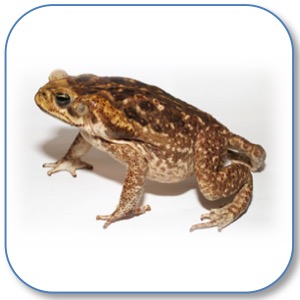
The main research focus of the lab is the exploitation of genomic and post-genomic data to understand biological function and adaptation to novel environments. We work closely with the Ramaciotti Centre for Genomics and are involved in numerous de novo whole genome sequencing and assembly projects, using short read (Illumina), long read (PacBio & Nanopore) and linked read (10x Chromium) sequencing. One of the biggest of these is leading the bioinformatics and assembly effort in a consortium to sequence the cane toad genome, and leading the BABS Genome project to sequence two iconic Australian snakes. We are a member of the Oz Mammals Genomics initiative, assisting with the sequencing and assembly of Australia’s unique marsupial fauna. In 2018, we were selected as part of a team to sequence the Waratah genome as part of the pilot phase for the new Genomics of Australian Plants initiative.

We enjoy bringing our bioinformatics to bear on a variety of collaborative research projects. Most notably, we have an ARC Linkage Grant with Microbiogen Pty Ltd to understand how a strain of Saccharomyces cerevisiae has evolved to efficiently use xylose as a sole carbon source: something vital for second generation biofuel production that wild yeast cannot do. We are combining comparative genomics, evolutionary genetics, RNA-Seq transcriptomics, and competition assays to understand how the novel metabolism evolved. Through deep Illumina resequencing of evolving populations, and assembling reliable complete genomes of the founding ancestors, the ultimate goal is to trace how mutations have interacted with existing genetic variation during adaptive evolution. More recently, we have received an ARC Linkage Grant with the Royal Botanic Gardens and Domain Trust, to apply genomics approaches to the challenges of rainforest tree conservation in the face of climate change and invasive pathogens. We are also collaborating with industrial and academic partners to de novo sequence, assemble, annotate and interrogate the genomes of a selection of microbes with interesting metabolic abilities.

2. Short Linear Motifs (SLiMs).

Many protein-protein interactions are mediated by Short Linear Motifs (SLiMs): short stretches of proteins (5-15 amino acids long), of which only a few positions are critical to function. These motifs are vital for biological processes of fundamental importance, acting as ligands for molecular signalling, post-translational modifications and subcellular targeting. SLiMs have extremely compact protein interaction interfaces, generally encoded by less than 4 major affinity-/specificity-determining residues. Their small size enables high functional density and evolutionary plasticity, making them frequent products of convergent “ex nihilo” evolution. It also makes them challenging to identify, both experimentally and computationally.

A major focus of the lab is the computational prediction of SLiMs from protein sequences. This research originated with Rich’s postdoctoral research, during which he developed a sequence analysis methods for the rational design of biologically active short peptides. He subsequently developed SLiMDisc, one of the first algorithms for successfully predicting novel SLiMs from sequence data - and coined the term “SLiM” into the bargain. This subsequently lead to the development of SLiMFinder, the first SLiM prediction algorithm able to estimate the statistical significance of motif predictions. SLiMFinder greatly increased the reliability of predictions. SLiMFinder has since spawned a number of motif discovery tools and webservers and is still arguably the most successful SLiM prediction tool on benchmarking data. Methods are made available through the SLiMSuite bioinformatics package and webservers.

Current research is looking to develop these SLiM prediction tools further and apply them to important biological questions. Of particular interest is the molecular mimicry employed by viruses to interact with host proteins and the role of SLiMs in other diseases, such as cancer. Other work is concerned with the evolutionary dynamics of SLiMs within protein interaction networks.

OTHER RESEARCH PROJECTS

In addition to the main research in the lab, the lab has a number of interdisciplinary collaborative projects applying bioinformatics tools and molecular evolution theory to experimental biology, often using large genomic, transcriptomic and/or proteomic datasets. These projects often involve the development of bespoke bioinformatics pipelines and a number of open source bioinformatics tools have been generated as a result. Please see the Publications and Lab software pages for more detail, or get in touch if something catches your eye and you want to find out more. We frequently have small collaborations and/or undergraduate student research projects. Many of these are “on hold” waiting for the right person, or sometimes data, to come along. If you think that you have what it needs, get in touch!

Friday, 5 July 2019

Research snapshot - July 2019

One of the most important, interesting and challenging questions in biology is how new traits evolve at the molecular level. My lab employs sequence analysis techniques to interrogate protein and DNA sequences for the signals left behind by evolution. We are a bioinformatics lab but like to incorporate bench data through collaboration wherever possible.

Main Research

The core research in the lab is broadly divided into two main themes:

1. Evolutionary Genomics.

Since moving to UNSW, a major focus of the lab has been the exploitation of genomic and post-genomic data to understand biological function and adaptation to novel environments. We work closely with the Ramaciotti Centre for Genomics and are involved in numerous de novo whole genome sequencing and assembly projects, using short read (Illumina), long read (PacBio & Nanopore) and linked read (10x Chromium) sequencing. The biggest of these is leading the bioinformatics and assembly effort in a consortium to sequence the cane toad genome, and leading the BABS Genome project to sequence two iconic Australian snakes. We are a member of the Oz Mammals Genomics initiative, assisting with the sequencing and assembly of Australia’s unique marsupial fauna. In 2018, we were selected as part of a team to sequence the Waratah genome as part of the pilot phase for the new Genomics of Australian Plants initiative.

We enjoy bringing our bioinformatics to bear on a variety of collaborative research projects. Most notably, we have an ARC Linkage Grant with Microbiogen Pty Ltd to understand how a strain of Saccharomyces cerevisiae has evolved to efficiently use xylose as a sole carbon source: something vital for second-generation biofuel production that wild yeast cannot do. We are combining comparative genomics, evolutionary genetics, RNA-Seq transcriptomics, and competition assays to understand how the novel metabolism evolved. Through deep Illumina resequencing of evolving populations, and assembling reliable complete genomes of the founding ancestors, the ultimate goal is to trace how mutations have interacted with existing genetic variation during adaptive evolution. More recently, we have received an ARC Linkage Grant with the Royal Botanic Gardens and Domain Trust, to apply genomics approaches to the challenges of rainforest tree conservation in the face of climate change and invasive pathogens. We are also collaborating with industrial and academic partners to de novo sequence, assemble, annotate and interrogate the genomes of a selection of microbes with interesting metabolic abilities.

2. Short Linear Motifs (SLiMs).

Many protein-protein interactions are mediated by Short Linear Motifs (SLiMs): short stretches of proteins (5-15 amino acids long), of which only a few positions are critical to function. These motifs are vital for biological processes of fundamental importance, acting as ligands for molecular signalling, post-translational modifications and subcellular targeting. SLiMs have extremely compact protein interaction interfaces, generally encoded by less than 4 major affinity-/specificity-determining residues. Their small size enables high functional density and evolutionary plasticity, making them frequent products of convergent “ex nihilo” evolution. It also makes them challenging to identify, both experimentally and computationally.

A major focus of the lab is the computational prediction of SLiMs from protein sequences. This research originated with Rich’s postdoctoral research, during which he developed a sequence analysis methods for the rational design of biologically active short peptides. He subsequently developed SLiMDisc, one of the first algorithms for successfully predicting novel SLiMs from sequence data - and coined the term “SLiM” into the bargain. This subsequently lead to the development of SLiMFinder, the first SLiM prediction algorithm able to estimate the statistical significance of motif predictions. SLiMFinder greatly increased the reliability of predictions. SLiMFinder has since spawned a number of motif discovery tools and webservers and is still arguably the most successful SLiM prediction tool on benchmarking data. Methods are made available through the SLiMSuite bioinformatics package and webservers.

Current research is looking to develop these SLiM prediction tools further and apply them to important biological questions. Of particular interest is the molecular mimicry employed by viruses to interact with host proteins and the role of SLiMs in other diseases, such as cancer. Other work is concerned with the evolutionary dynamics of SLiMs within protein interaction networks.

OTHER RESEARCH PROJECTS

In addition to the main research in the lab, the lab has a number of interdisciplinary collaborative projects applying bioinformatics tools and molecular evolution theory to experimental biology, often using large genomic, transcriptomic and/or proteomic datasets. These projects often involve the development of bespoke bioinformatics pipelines and a number of open source bioinformatics tools have been generated as a result. Please see the Publications and Lab software pages for more detail, or get in touch if something catches your eye and you want to find out more. We frequently have small collaborations and/or undergraduate student research projects. Many of these are “on hold” waiting for the right person, or sometimes data, to come along. If you think that you have what it needs, get in touch!

Wednesday, 3 October 2018

Research snapshot - October 2018

One of the most important, interesting and challenging questions in biology is how new traits evolve at the molecular level. My lab employs sequence analysis techniques to interrogate protein and DNA sequences for the signals left behind by evolution. We are a bioinformatics lab but like to incorporate bench data through collaboration wherever possible.

Main Research

The core research in the lab is broadly divided into three main themes:

1. Short Linear Motifs (SLiMs)

Many protein-protein interactions are mediated by Short Linear Motifs (SLiMs): short stretches of proteins (5-15 amino acids long), of which only a few positions are critical to function. These motifs are vital for biological processes of fundamental importance, acting as ligands for molecular signalling, post-translational modifications and subcellular targeting. SLiMs have extremely compact protein interaction interfaces, generally encoded by less than 4 major affinity-/specificity-determining residues. Their small size enables high functional density and evolutionary plasticity, making them frequent products of convergent "ex nihilo" evolution. It also makes them challenging to identify, both experimentally and computationally.

A major focus of the lab is the computational prediction of SLiMs from protein sequences. This research originated with Rich’s postdoctoral research, during which he developed a sequence analysis methods for the rational design of biologically active short peptides. He subsequently developed SLiMDisc, one of the first algorithms for successfully predicting novel SLiMs from sequence data - and coined the term “SLiM” into the bargain. This subsequently lead to the development of SLiMFinder, the first SLiM prediction algorithm able to estimate the statistical significance of motif predictions. SLiMFinder greatly increased the reliability of predictions. SLiMFinder has since spawned a number of motif discovery tools and webservers and is still arguably the most successful SLiM prediction tool on benchmarking data.

Current research is looking to develop these SLiM prediction tools further and apply them to important biological questions. Of particular interest is the molecular mimicry employed by viruses to interact with host proteins and the role of SLiMs in other diseases, such as cancer. Other work is concerned with the evolutionary dynamics of SLiMs within protein interaction networks.

2. The evolution of novel functions.

Previous work in the lab has focused on the evolution of functional specificity following gene duplication. Since moving to UNSW, activities have shifted more towards the use of PacBio long read sequencing and other cutting-edge sequencing technologies, working closely with the Ramaciotti Centre for Genomics. We are collaborating with industrial and academic partners to de novo sequence, assemble, annotate and interrogate the genomes of a selection of microbes with interesting metabolic abilities. Most notably, we have an ARC Linkage Grant with Microbiogen Pty Ltd. to understand how a strain of Saccharomyces cerevisiae has evolved to efficiently use xylose as a sole carbon source: something vital for second generation biofuel production that wild yeast cannot do. We are combining comparative genomics, evolutionary genetics, RNA-Seq transcriptomics, and competition assays to understand how the novel metabolism evolved. Through deep Illumina resequencing of evolving populations, and assembling reliable complete genomes of the founding ancestors, the ultimate goal is to trace how mutations have interacted with existing genetic variation during adaptive evolution.

3. Whole genome sequencing and assembly.

Following our experiences with de novo whole genome assembly in yeast, the lab is getting involved in an increasing number of genome sequencing projects. The biggest of these is leading the bioinformatics and assembly effort in a consortium to sequence the cane toad genome. The lab is also leading the BABS Genome project two iconic Australian snakes for use in teaching and public engagement. We are a member of the Oz Mammals Genomics initiative, assisting with the sequencing and assembly of Australia's unique marsupial fauna. We also have an number of bacterial long-read whole genome sequencing collaborations.

Other Research Projects

In addition to the main research in the lab, the lab has a number of interdisciplinary collaborative projects applying bioinformatics tools and molecular evolution theory to experimental biology, often using large genomic, transcriptomic and/or proteomic datasets. These projects often involve the development of bespoke bioinformatics pipelines and a number of open source bioinformatics tools have been generated as a result. We frequently have small collaborations and/or undergraduate student research projects. Many of these are “on hold” waiting for the right person, or sometimes data, to come along. If you think that you have what it needs, get in touch!
Previous Research

The lab has been involved in a number of interdisciplinary collaborative projects applying bioinformatics tools and molecular evolution theory to experimental biology, often using large genomic, transcriptomic and/or proteomic datasets. These projects often involved the development of bespoke bioinformatics pipelines and a number of open source bioinformatics tools have been generated as a result. Please see the Publications and Lab software pages for more detail, or get in touch if something catches your eye and you want to find out more.

Friday, 30 June 2017

Research Snapshot - June 2017

Research interests in the Edwards lab stem from a fascination with the molecular basis of evolutionary change and how we can harness the genetic sequence patterns left behind to make useful predictions about contemporary biological systems. We are a bioinformatics lab but like to incorporate bench data through collaboration wherever possible.

Main Research

The core research in the lab is broadly divided into three main themes:

1. Short Linear Motifs (SLiMs)

SLiMs are short regions of proteins that mediate interactions with other proteins. A major focus of the lab is the computational prediction of SLiMs from protein sequences. This research originated with Rich’s postdoctoral research, during which he developed a sequence analysis methods for the rational design of biologically active short peptides. He subsequently developed SLiMDisc, one of the first algorithms for successfully predicting novel SLiMs from sequence data - and coined the term “SLiM” into the bargain. This subsequently lead to the development of SLiMFinder, the first SLiM prediction algorithm able to estimate the statistical significance of motif predictions. SLiMFinder greatly increased the reliability of predictions. SLiMFinder has since spawned a number of motif discovery tools and webservers and is still arguably the most successful SLiM prediction tool on benchmarking data.

Current research is looking to develop these SLiM prediction tools further and apply them to important biological questions. Of particular interest is the molecular mimicry employed by viruses to interact with host proteins and the role of SLiMs in other diseases, such as cancer. Other work is concerned with the evolutionary dynamics of SLiMs within protein interaction networks.

2. The evolution of novel functions.

Previous work in the lab has focused on the evolution of functional specificity following gene duplication. Since moving to UNSW, activities have shifted more towards the use of PacBio long read sequencing and other cutting-edge sequencing technologies, working closely with the Ramaciotti Centre for Genomics. We are collaborating with industrial and academic partners to de novo sequence, assemble, annotate and interrogate the genomes of a selection of microbes with interesting metabolic abilities. Most notably, we have an ARC Linkage Grant with Microbiogen Pty Ltd. to understand how a strain of Saccharomyces cerevisiae has evolved to efficiently use xylose as a sole carbon source: something vital for second generation biofuel production that wild yeast cannot do. This project combines detailed molecular characterisation of highly adapted yeast strains with “molecular palaeontology” to trace the evolutionary process and identify functionally significant loci under selection.

3. Whole genome sequencing and assembly.

Following our experiences with de novo whole genome assembly in yeast, the lab is getting involved in an increasing number of genome sequencing projects. The biggest of these is leading the bioinformatics and assembly effort in a consortium to sequence the cane toad genome. The lab is also leading the BABS Genome project to sequence iconic Australian species for use in teaching and public engagement.

Previous Research

The lab has been involved in a number of interdisciplinary collaborative projects applying bioinformatics tools and molecular evolution theory to experimental biology, often using large genomic, transcriptomic and/or proteomic datasets. These projects often involved the development of bespoke bioinformatics pipelines and a number of open source bioinformatics tools have been generated as a result. Please see the Publications and Lab software pages for more detail, or get in touch if something catches your eye and you want to find out more.

Saturday, 26 November 2016

The cane toad genome project

What are we doing? The Edwards Lab is part of an Australian, Portuguese and Brazilian consortium led by Peter White to sequence and assemble the genome of the cane toad (Rhinella marina). We are leading the bioinformatics component of the assembly effort.

How are we doing it? We are using a combination of Illumina (HiSeq X and NovaSeq) short read sequencing, PacBio (RS II) long read and sequence and 10x Genomics Chromium linked reads.

Details to follow. Please get in touch if you are interested in the project.

Opportunities

Honours and postgraduate* projects are available to work on the assembly and annotation. (*PhD students should have their own scholarship.)

Consortium members

Miguel Carneiro (CIBIO-InBIO), Richard Edwards (UNSW), Nuno Ferrand (CIBIO-InBIO), Eddie Holmes (U Sydney), Craig Moritz (ANU), Lee Ann Rollins (Deakin), Fernando Sequeira (CIBIO-InBIO), Rick Shine (U Sydney), Marcelo Vallinoto de Souza (Federal University of Pará & CIBIO-InBIO), Peter White (UNSW), Marc Wilkins (UNSW).

Monday, 20 June 2016

Transcriptome analysis of human brain tissue identifies reduced expression of complement complex C1Q Genes in Rett syndrome

Lin P, Nicholls L, Assareh H, Fang Z, Amos TG, Edwards RJ, Assareh AA, Voineagu I (2016): Transcriptome analysis of human brain tissue identifies reduced expression of complement complex C1Q Genes in Rett syndrome. BMC Genomics 17(1):427. doi: 10.1186/s12864-016-2746-7.

Abstract

BACKGROUND: MECP2, the gene mutated in the majority of Rett syndrome cases, is a transcriptional regulator that can activate or repress transcription. Although the transcription regulatory function of MECP2 has been known for over a decade, it remains unclear how transcriptional dysregulation leads to the neurodevelopmental disorder. Notably, little convergence was previously observed between the genes abnormally expressed in the brain of Rett syndrome mouse models and those identified in human studies.

METHODS: Here we carried out a comprehensive transcriptome analysis of human brain tissue from Rett syndrome brain using both RNA-seq and microarrays.

RESULTS: We identified over two hundred differentially expressed genes, and identified the complement C1Q complex genes (C1QA, C1QB and C1QC) as a point of convergence between gene expression changes in human and mouse Rett syndrome brain.

CONCLUSIONS: The results of our study support a role for alterations in the expression level of C1Q complex genes in RTT pathogenesis.

PMID: 27267200

Tuesday, 10 May 2016

Biochar alters the soil microbiome and soil function: results of next generation amplicon sequencing across Europe

Jenkins JR, Viger M, Arnold EC, Harris ZM, Ventura M, Miglietta F, Girardin C, Edwards RJ, Rumpel C, Fornasier F, Zavalloni C, Tonon G, Alberti G & Taylor G (2016): Biochar alters the soil microbiome and soil function: results of next generation amplicon sequencing across Europe. GCB Bioenergy Adv. Access DOI: 10.1111/gcbb.12371

Abstract

Wide scale application of biochar to soil has been suggested as a mechanism to offset increases in CO2 emissions through the long-term sequestration of a carbon rich and inert substance to the soil, but the implications of this for soil diversity and function remain to be determined. Biochar is capable of inducing changes in soil bacterial communities, but the exact impacts of its application are poorly understood. Using three European sites (UK SRC, short rotation coppice, French grassland (FR) and Italian SRF, short rotation forestry (IT)) treated with identical biochar applications; we undertook 16S and ITS amplicon DNA sequencing. In addition, we carried out assessments of community change over time and N and P mobilisation in the UK.

Significant changes in bacterial and community structure occurred due to treatment, although the nature of the changes varied by site. STAMP differential abundance analysis showed enrichment of Gemmatimonadete and Acidobacteria in UK biochar plots one year after application, whilst control plots exhibited enriched Gemmataceae, Isosphaeraceae and Koribacteraceae. Increased mobility of ammonium and phosphates were also detected after one year, coupled with a shift from acid to alkaline phophomonoesterase activity, which may suggest an ecological and functional shift towards a more copiotrophic ecology. Italy also exhibited enrichments, in both the Proteobacteria (driven by an increase in the order Rhizobiales) and the Gemmatimonadetes. No significant change in the abundance of individual taxa were noted in FR, although a small significant change in unweighted UNIFRAC occurred, indicating variation in the identities of taxa present due to treatment. Fungal β diversity was affected by treatment in IT and FR, but was unaffected in UK samples. The effects of time and site were greater than that of biochar application in UK samples. Overall, this report gives a tantalising view of the soil microbiome at several sites across Europe, and suggests that although application of biochar has significant effects on microbial communities, these may be small compared with the highly variable soil microbiome that is found in different soils and changes with time.

Wednesday, 11 September 2013

iOES Poster: Using metagenomics to assess soil microbial diversity under future climate scenarios

Joseph Jenkins, Prof. Gail Taylor, Dr. Rich Edwards.

1st International Environmental Omics Synthesis (iEOS) Conference, Cardiff, UK (Sept 11-13, 2013). Poster CE-3.

Abstract:

Soil microbes are responsible for the function of biogeochemical cycles, which are essential to maintain soil quality. Anthropogenic climate change is resulting in variation of the soil habitat, through alteration of a multitude of soil variables. In particular, prevalence of drought and use of geoengineering methods to sequester carbon (such as biochar) are expected to increase.

To test the implications of drought and biochar amendment in soil habitats, soil samples were collected from two long term experimental sites, and shotgun metagenomic sequencing undertaken to determine changes in soil microbial diversity. Furthermore, analysis of the method itself will be undertaken to determine potential issues with the technique, and to improve the methodology for future studies.

Future work will attempt to compare results of shotgun and amplicon metagenomic methods, and sequencing of additional biochar treated samples from a range of European sites undertaken. This will provide a means to compare changes in microbial diversity after biochar incorporation under a variety of field conditions, providing insight into its likely effects for soil microbial ecology.

Tuesday, 10 September 2013

iOES Poster: Using Next Generation Sequencing to Understand Plant Acclimation and Adaptation to the Changing Environment

Alex Watson-Lazowski, Yunan Lin, Jennifer DeWoody, Richard Edwards and Gail Taylor.

1st International Environmental Omics Synthesis (iEOS) Conference, Cardiff, UK (Sept 11-13, 2013). Poster EcO-15.

Abstract:

Plant adaptation to elevated atmospheric carbon dioxide (CO2) is of great interest, as the concentration of this gas in the atmosphere has risen by more than 30% to 388 μmol mol-1 since the industrial revolution. On average there has been a rise of 3 ppm per year. Plant fossil samples suggest that atmospheric CO2 may be acting as a selective agent driving evolution, but limited evidence is available to support this idea for plants subjected to future predicted concentrations. Studying evolutionary responses to this aspect of environmental change is difficult, but here we use a CO2 spring site where plants have been exposed for multiple generations to concentrations of CO2 predicted for 2050. From this, detailed phenotyping data was collected, including data for stomatal patterning. Considerable evidence exists to show that stomatal numbers have declined across geological time and that this is linked to CO2 concentration, but few CO2-sensitive stomatal patterning genes have ever been identified. When grown under elevated CO2 concentrations P. lanceolata (the narrow leaf plantain), seeds collected from the spring site showed a counter-intuitive change in stomatal index and density. Here, in this non- model plant we have investigated the gene expression changes underlying this stomatal patterning response to elevated CO2.

RNA-Seq allows for in depth analysis of plant species with no previous information required, enabling rapid evaluation of any of novel plant acclimations and adaptions. Using this approach we have identified a set of novel genes for stomatal patterning in high CO2 and confirmed previously observed acclimation responses.

RNA-Seq refers to the use of high-throughput deep-sequencing technologies to sequence cDNA in order to get information about the transcriptome of a given biological sample.

1st International Environmental Omics Synthesis (iEOS) Conference

The lab has a couple of posters at the 1st International Environmental Omics Synthesis (iEOS) Conference conference in Cardiff this week (Sept 11-13), so come and say hello to Joe and/or Alex if you are in Cardiff.

Poster EcO-15:

UNDERSTANDING PLANT ADAPTATION TO THE CHANGING ENVIRONMENT USING NEXT GENERATION RNA TRANSCRIPTOME SEQUENCING

Alex Watson-Lazowski, Yunan Lin, Jennifer DeWoody, Richard Edwards and Gail Taylor. Centre for Biological Sciences, University of Southampton.

Plant adaptation to elevated atmospheric carbon dioxide (CO2) is of great interest, as the concentration of this gas in the atmosphere has risen by more than 30% to 388 μmol mol-1 since the industrial revolution. On average there has been a rise of 3 ppm per year. Plant fossil samples suggest that atmospheric CO2 may be acting as a selective agent driving evolution, but limited evidence is available to support this idea for plants subjected to future predicted concentrations. Studying evolutionary responses to this aspect of environmental change is difficult, but here we use a CO2 spring site where plants have been exposed for multiple generations to concentrations of CO2 predicted for 2050. From this, detailed phenotyping data was collected, including data for stomatal patterning. Considerable evidence exists to show that stomatal numbers have declined across geological time and that this is linked to CO2 concentration, but few CO2-sensitive stomatal patterning genes have ever been identified. When grown under elevated CO2 concentrations P. lanceolata (the narrow leaf plantain), seeds collected from the spring site showed a counter-intuitive change in stomatal index and density. Here, in this non- model plant we have investigated the gene expression changes underlying this stomatal patterning response to elevated CO2.

RNA-Seq allows for in depth analysis of plant species with no previous information required, enabling rapid evaluation of any of novel plant acclimations and adaptions. Using this approach we have identified a set of novel genes for stomatal patterning in high CO2 and confirmed previously observed acclimation responses.

RNA-Seq refers to the use of high-throughput deep-sequencing technologies to sequence cDNA in order to get information about the transcriptome of a given biological sample.

Poster CE-3:

USING METAGENOMICS TO ASSESS SOIL MICROBIAL DIVERSITY UNDER FUTURE CLIMATE SCENARIOS

Joseph Jenkins, Prof. Gail Taylor, Dr. Rich Edwards. University of Southampton, ExpeER, EuroChar.

Soil microbes are responsible for the function of biogeochemical cycles, which are essential to maintain soil quality. Anthropogenic climate change is resulting in variation of the soil habitat, through alteration of a multitude of soil variables. In particular, prevalence of drought and use of geoengineering methods to sequester carbon (such as biochar) are expected to increase.

To test the implications of drought and biochar amendment in soil habitats, soil samples were collected from two long term experimental sites, and shotgun metagenomic sequencing undertaken to determine changes in soil microbial diversity. Furthermore, analysis of the method itself will be undertaken to determine potential issues with the technique, and to improve the methodology for future studies.

Future work will attempt to compare results of shotgun and amplicon metagenomic methods, and sequencing of additional biochar treated samples from a range of European sites undertaken. This will provide a means to compare changes in microbial diversity after biochar incorporation under a variety of field conditions, providing insight into its likely effects for soil microbial ecology.