Wednesday, 20 November 2024

Adventures in genome assembly curation and QC

It was great to have the opportunity to present some recent - and not so recent - work today to the Australian BioCommons Genomics Community meeting. You can find a link to the recording here, and the slides are up here if you missed it and are curious. I’ll add some additional links to the tools discussed with time.

One of the highlights of my time in Australia has been the awesome bioinformatics and genomics (and other) communities. I’ve been lucky to meet and work with so many awesome scientists and fantastic human beings.

Saturday, 16 November 2024

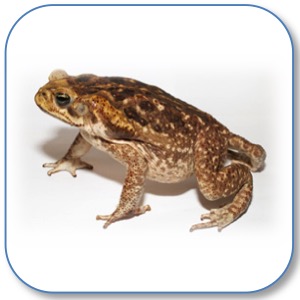
Repeat-Rich Regions Cause False-Positive Detection of NUMTs: A Case Study in Amphibians Using an Improved Cane Toad Reference Genome

Version 3* of the cane toad reference genome, aRhiMar1.3 is now officially out and published in Genome Biology and Evolution. [*It’s only the second published genome but for internal reasons the original draft genome was version 2!].

The focus of the paper itself is confirming the lack of Nuclear Mitochondrial fragments (a.k.a. NUMTs) in the cane toad genome, which could impact whole-mitogenome analysis of genetic diversity in cane toads. We were pretty surprised when we first looked for NUMTs in the cane toad genome and could not find any! The draft genome is pretty drafty, especially in terms of missing repetitive regions, so an updated long-read assembly was important to rule out a false negative result.

The new genome is in much better shape, with an extra 922 Mbp (>95% repeats) and a 15x increase in scaffold N50 (2.5 Mbp). (My biggest regret with the original paper was not sticking to my guns and including an early DepthSizer genome size estimate of 3.5 Mbp, which has subsequently turned out to be correct.) The cane toad genome remains a tough nut to crack, and we didn’t quite reach the magic 1Mb contig N50 (860 kb), but the functional completeness was markedly improved and we are pretty confident that the continued absence of NUMT detection is a real phenomenom and does not simply reflect technical limitations.

Watch this space for a chromosome-level cane toad genome, which is still in the works.

Cheung K, Rollins LA, Hammond JM, Barton K, Ferguson JM, Eyck HJF, Shine R & Edwards RJ (2024): Repeat-rich regions cause false positive detection of NUMTs - a case study in amphibians using an improved cane toad reference genome. Genome Biology and Evolution evae246. [Gen Biol Evol] [bioRxiv] [PubMed]

Mitochondrial DNA (mtDNA) has been widely used in genetics research for decades. Contamination from nuclear DNA of mitochondrial origin (NUMTs) can confound studies of phylogenetic relationships and mtDNA heteroplasmy. Homology searches with mtDNA are widely used to detect NUMTs in the nuclear genome. Nevertheless, false-positive detection of NUMTs is common when handling repeat-rich sequences, while fragmented genomes might result in missing true NUMTs. In this study, we investigated different NUMT detection methods and how the quality of the genome assembly affects them. We presented an improved nuclear genome assembly (aRhiMar1.3) of the invasive cane toad (Rhinella marina) with additional long-read Nanopore and 10× linked-read sequencing. The final assembly was 3.47 Gb in length with 91.3% of tetrapod universal single-copy orthologs (n = 5,310), indicating the gene-containing regions were well assembled. We used 3 complementary methods (NUMTFinder, dinumt, and PALMER) to study the NUMT landscape of the cane toad genome. All 3 methods yielded consistent results, showing very few NUMTs in the cane toad genome. Furthermore, we expanded NUMT detection analyses to other amphibians and confirmed a weak relationship between genome size and the number of NUMTs present in the nuclear genome. Amphibians are repeat-rich, and we show that the number of NUMTs found in highly repetitive genomes is prone to inflation when using homology-based detection without filters. Together, this study provides an exemplar of how to robustly identify NUMTs in complex genomes when confounding effects on mtDNA analyses are a concern.

Tuesday, 5 November 2024

#ABACBS2024 Poster 102: Improving phased Hifiasm assemblies with 20 kb ONT reads

After a great presentation this morning by Emma de Jong on our High-Quality Genomes for Australian Lutjanidae Species (abstract below), if you’re at ABACBS2024 then please drop by Poster #102 to find out about some of the work we’re doing with ONT data.

Abstracts

Improving phased Hifiasm assemblies with 20 kb ONT reads

Richard J Edwards, Adrianne Doran, Emma de Jong, Lara Parata, Shannon Corrigan

The quality and quantity of genome assembly has improved dramatically over recent years. Many large-scale genome projects combine assembly of HiFi and HiC reads using Hifiasm to produce contiguous phased assemblies, scaffolded to chromosome-level. Nevertheless, HiFi reads are typically under 25 kb and can still struggle to assemble long, low diversity repeat regions. Obtaining ultra-long (100 kb or longer) ONT reads to solve this problem remains a significant challenge due to technical constraints and DNA sample requirements. Here, we explore the utility of using standard ONT long reads (20 kb or more) as “ultra-long” input to improve phased Hifiasm assemblies for 22 species of bony fish (Genome Size, 627 Mb 1.54 Gb). We also explore whether the new --telo-m mode in Hifiasm v0.9.0 improves telomere prediction. Incorporating 20kb+ ONT reads (7.8X 93.5X) significantly increased assembly contiguity. BUSCO Completeness was not significantly altered, although there was some re-partitioning of BUSCO genes between phased haplotypes for some species. Improvement did not strongly correlate with read depth (either HiFi or ONT), suggesting that the underlying read length distributions and/or specific genome features are more important for determining the outcome. Hifiasm --telo-m mode significantly increased telomere recovery, assembling over six times the number of gapless telomere-to-telomere chromosomes when combined with 20kb+ ONT reads. Verification of how these results translate to the ease of curation and/or quality of final HiC-scaffolded chromosome-level assemblies is ongoing, with a goal to determine whether the additional sample preparation and sequencing in the lab is cost-effective.

High-Quality Genomes for Australian Lutjanidae Species

Emma de Jong, Lara Parata, Philipp E Bayer, Shannon Corrigan, Richard J Edwards

Lutjanidae (snappers) are highly valued in commercial and recreational fisheries worldwide and serve as indicator species of the health of marine environments and fishery bioregions in Western Australia. Comprehensive genomic mapping of immune gene families of Lutjanidae species are lacking, but this information is critical for understanding disease vulnerability, the impact of environmental stress, improving aquaculture efforts and to provide insights into the health of wild populations. Despite their importance, only 3 out of 113 Lutjanid species currently have available reference genomes, two of which are highly fragmented (>11,000 and >200,000 contigs), impacting studies on gene families relevant to aquaculture. In this study, we present high-quality chromosome-level reference genomes for 14 Australian Lutjanidae species across seven genera, generated using HiFi and HiC data. We present initial comparative genomic analyses, including immune gene content and chromosomal synteny analyses across species. These analyses provide insights into the genomic architecture and evolutionary relationships within Lutjanidae. Ongoing work aims to comprehensively map and compare the immune gene family repertoire across Lutjanidae genera, as well as Lethrinidae species as an outgroup, to determine genus-specific changes in genes (e.g. loss, selection, duplication) important for pathogen detection, antigen presentation, inflammation, and immune memory. These genome assemblies will serve as a foundational resource to the wider scientific community interested in Lutjanidae

Sunday, 3 November 2024

Chromosome-level genome assembly of the Australian rainforest tree Rhodamnia argentea (malletwood)

Genome projects don’t always go according to plan, and when we first sequenced Rhodamnia argentea with 10x Genomics linked reads, we accidentally sequenced a parasite along with it. This was quite hard to identify from the sequencing data itself, as the depth of sequencing was quite high, and we were unable to identify the guilty bug itself, which is probably microscopic. Getting to the bottom of this took a back seat for a while when the focus of the project shifted to Melaleuca quinquenervia, but with the addition of ONT reads and Hi-C, we have now been able to generate a chromosome-level decontaminated assembly. (An assembly of the contaminating mite will follow…)

Chen SH, Jones A, Lu-Irving P, Yap JYS, van der Merwe M, Bragg JG & Edwards RJ (2024): Chromosome-level genome assembly of the Australian rainforest tree Rhodamnia argentea (malletwood). Genome Biology and Evolution 16(11):evae238. [Gen Biol Evol] [PubMed]

Abstract

Myrtaceae are a large family of woody plants, including hundreds that are currently under threat from the global spread of a fungal pathogen, Austropuccinia psidii (G. Winter) Beenken, which causes myrtle rust. A reference genome for the Australian native rainforest tree Rhodamnia argentea Benth. (malletwood) was assembled from Oxford Nanopore Technologies long-reads, 10x Genomics Chromium linked-reads, and Hi-C data (N50 = 32.3 Mb and BUSCO completeness 98.0%) with 99.0% of the 347 Mb assembly anchored to 11 chromosomes (2n = 22). The R. argentea genome will inform conservation efforts for Myrtaceae species threatened by myrtle rust, against which it shows variable resistance. We observed contamination in the sequencing data, and further investigation revealed an arthropod source. This study emphasizes the importance of checking sequencing data for contamination, especially when working with nonmodel organisms. It also enhances our understanding of a tree that faces conservation challenges, contributing to broader biodiversity initiatives.

Thursday, 31 October 2024

BioDiversity Genomics Conference (BG24)

The global BioDiversity Genomics Conference (BG24) was another great success this year. As well as running a session on Marine Vertebrate Genomics, it was particularly rewarding to see some many quality contributions from lab members and alumni.

Biodiversity Genomics in Australasia

Jessica Pearce (UWA): Reconstructing tiger shark history using genomics

Sharks and rays are a clade of high evolutionary, ecological, economic, and cultural significance, and yet they are one of the most threatened taxa groups in the marine environment. Despite this, there remains a lack of molecular resources for this class to assist with their conservation. The tiger shark (Galeocerdo cuvier) is a near threatened, keystone species distributed circumglobally that is under substantial pressure from human impacts, making it a high priority for management worldwide. We sequenced and characterised a reference quality assembly for the tiger shark, the first genome for this family, and used this to dive deeper into the evolution, adaption, and demographic history of this ancient species. We investigated how its effective population size (Ne), genome-wide heterozygosity and inbreeding has changed over time to infer how this species has responded to past global events, and hence potential responses to ongoing and future accumulating threats. This aims to assist in effective management of this high-profile species. 

Katarina Stuart (University of Auckland): Lifetime fitness is correlated more strongly with structural variant than SNP mutational load in a threatened bird species

Conservation genomics is becoming increasingly interested in whether structural variant (SV) information can help the management of threatened species. The functional consequences of SVs are more complex than for single nucleotide polymorphisms (SNPs) and thus may be more likely to contribute to load. While the impacts of SV-specific genetic load may be less consequential for large populations, the interplay between weakened selection and stochastic processes mean that smaller populations, like those of the threatened Aotearoa hihi/New Zealand stitchbird (Notiomystis cincta), may harbour a high SV load. Hihi were once confined to a single remnant population, but have been reestablished into six sanctuaries and reserves, often via secondary bottlenecks, resulting in low genetic diversity, low adaptive potential and inbreeding depression. In this study, we use whole genome resequencing of 30 individuals from the Tiritiri Matangi population to identify the nature and distribution of both SNPs and SVs within this small avian population. We find that SNP and SV individual mutation load is only moderately correlated, likely because SVs arise in regions of high recombination and reduced evolutionary conservation. Finally, we leverage a long-term monitoring dataset of pedigree and fitness data to assess the impact of SNP and SV mutation load on individual fitness, and demonstrate that SV load correlates more strongly than SNP load with lifetime fitness. The results of this study indicate that only examining SNPs neglects important aspects of intraspecific variation, and that studying SVs has direct implications for linking genetic diversity and genetic health to inform management decisions.

Richard Edwards (UWA): Improving Hifiasm assemblies with 20 kb ONT reads

The quality and quantity of genome assembly has improved dramatically over recent years. Many large-scale genome projects assemble HiFi and HiC reads using Hifiasm to produce contiguous phased assemblies, scaffolded to chromosome-level. Nevertheless, HiFi reads are typically under 25 kb and can still struggle to assemble long, low-diversity repeat regions. Obtaining ‘ultra-long’ (100 kb or longer) ONT reads to solve this problem remains a significant challenge due to technical constraints and DNA sample requirements. Here, we explore the utility of using standard ONT long reads (20 kb or more) as ‘ultra-long’ input to improve phased Hifiasm assemblies for 22 species of bony fish (Genome Size, 627 Mb - 1.54 Gb). We also explore whether the new ‘telo-m’ mode in Hifiasm v0.9.0 improves telomere prediction in these species. Incorporating 20+ kb ONT reads (7.8X - 93.5X) significantly increased assembly contiguity. BUSCO completeness was not significantly altered, although there was some re-partitioning of BUSCO genes between phased haplotypes for some species. Improvement did not strongly correlate with read depth (neither HiFi nor ONT), suggesting that the underlying read length distributions and/or specific genome features are more important for determining the outcome. Hifiasm ‘telo-m’ mode significantly increased telomere recovery, assembling over six times the number of gapless telomere-to-telomere chromosomes when combined with incorporation of ONT reads. Verification of how these results translate to the quality and/or ease of curation of final HiC-scaffolded chromosome-level assemblies is ongoing, with a goal to determine whether the additional sample preparation and sequencing in the lab is cost-effective.

Emma de Jong (UWA): High-Quality Genomes for Australian Lutjanidae Species

Lutjanidae (snappers) are highly valued in commercial and recreational fisheries worldwide and some species serve as fisheries indicator species particularly for bioregions in Western Australia. Comprehensive genomic mapping of immune gene families of Lutjanidae species are lacking, but this information can inform understanding disease vulnerability, the impact of environmental stress, improving aquaculture efforts and to provide insights into the health of wild populations. Despite their importance, only 3 out of 113 Lutjanid species currently have available reference genomes, two of which are highly fragmented (>11,000 and >200,000 contigs), impacting studies on gene families relevant to aquaculture. In this study, we present high-quality chromosome-level reference genomes for 14 Australian lutjanid species across seven genera, generated using PacBio HiFi and Dovetail HiC data. We present initial comparative genomic analyses, including immune gene content and chromosomal synteny analyses across species. These analyses provide insights into the genomic architecture and evolutionary relationships within Lutjanidae. Ongoing work aims to comprehensively map and compare the immune gene family repertoire across genera in Lutjanidae, as well as lethrinid species as an outgroup, to determine genus-specific changes in genes (e.g., loss, selection, duplication) important for pathogen detection, antigen presentation, inflammation, and immune memory. These genome assemblies will serve as a foundational resource to the wider scientific community interested in these species.

Research of ECRs who work in biodiversity genomics

Lara Parata (UWA): Genome Evolution in Marine Ray-Finned Fishes

Approximately half of extant vertebrate species are fishes, with more than 30,000 species classified as ray-finned fishes (Actinopterygii). Actinopterygii represent diverse phenotypes, feeding strategies, life history traits and occupy distinct ecological niches, making them an ideal taxa for studying molecular drivers of diversity and adaptation. Despite their diversity, ecological, and economical importance, only 145 Illumina genome assemblies are available for marine Actinopterygii species. In this study we present 250 new marine Actinopterygii genome assemblies generated using Illumina whole genome sequencing and initial results from a large-scale study of these 395 genomes. Using reference-based annotation tools we determine which fish families have unique patterns of gene family frequency / structure (e.g., losses, expansions, contractions), and correlate these with predicted functional signatures to infer biological and ecological adaptations. We identify fish families with distinct rates of change in the gene families present within their genomes (e.g., more losses / expansions or diversity) and associate these patterns with increased rates of diversification or speciation to further elucidate the genomic attributes contributing to ecological success. The results of this work contribute to the growing understanding of fish genome evolution and provide new insights into the evolutionary history and ecological success of marine Actinopterygii.

Thursday, 19 September 2024

#PAGAustralia Poster 14: Synteny-Guided Semi-Automated Curation of Chromosome-Level Genome Assemblies

If you are attending PAG Australia 2024, come and have a chat at Poster 14 about easing the burden of chromosome-level assembly curation.

Abstract Text

Reference genomes are fundamental resources that underpin research across most aspects of modern biology. Technological improvements in the length and accuracy of long-read sequencing platforms, combined with Hi-C proximity ligation sequencing, has enabled the routine generation of highly contiguous phased assemblies, scaffolded to chromosome-level. Nevertheless, automated generation of perfect gapless “telomere-to-telomere” assemblies remains out of reach for most eukaryotic organisms. Scaffolding errors and false duplications can still occur, and assembly curation is now the main bottleneck for large-scale assembly projects. Here, I present a streamlined data workflow and scaffolding assessment for high-throughput manual curation of chromosome-level genome assemblies. Synteny between haplotypes, or closely related species, is combined with read mapping to orient, pair and visualise assembled chromosomes. Assembly gaps are classified according to scaffolding confidence, highlighting candidates for simple scaffolding corrections, such as inversions. Synteny visualisation, gap classification, and HiC contact maps are then combined to identify and document scaffolding edits with increased speed, precision and confidence. This accelerates the production of curated chromosome-level assemblies, and enables the identification of regions of the assembly that may require further attention. Individual tools used in the workflow (ChromSyn, Telociraptor, SynBad, PAFScaff, DepthKopy and DepthCharge) are available at https://github.com/slimsuite/.

Thursday, 5 September 2024

Origin and maintenance of large ribosomal RNA gene repeat size in mammals

Our latest paper is out as a Featured Article in the journal Genetics, featuring ONT from both the cane toad and BABS Genome snake genomes. This paper looks at how ribosomal RNA gene repeats (a.k.a. rDNA repeats) have evolved in vertebrates to expand in size in mammals. For something so fundamental to the function of an organism - literally every process of every cell ultimately relies on rRNA - there is surprising diversity. These regions are traditionally hard to assemble with short reads, and still provide challenges for long-read assemblies, so the new era of high-quality long-read assemblies is likely to reveal a lot about their evolution.

  • Macdonald E, Whibley A, Waters PD, Patel H, Edwards RJ & Ganley ARD (2024): Origin and maintenance of large ribosomal RNA gene repeat size in mammals. Genetics 228(1): iyae121 [Genetics] [PubMed]

Abstract

The genes encoding ribosomal RNA are highly conserved across life and in almost all eukaryotes are present in large tandem repeat arrays called the rDNA. rDNA repeat unit size is conserved across most eukaryotes but has expanded dramatically in mammals, principally through the expansion of the intergenic spacer region that separates adjacent rRNA coding regions. Here, we used long-read sequence data from representatives of the major amniote lineages to determine where in amniote evolution rDNA unit size increased. We find that amniote rDNA unit sizes fall into two narrow size classes: “normal” (∼11–20 kb) in all amniotes except monotreme, marsupial, and eutherian mammals, which have “large” (∼35–45 kb) sizes. We confirm that increases in intergenic spacer length explain much of this mammalian size increase. However, in stark contrast to the uniformity of mammalian rDNA unit size, mammalian intergenic spacers differ greatly in sequence. These results suggest a large increase in intergenic spacer size occurred in a mammalian ancestor and has been maintained despite substantial sequence changes over the course of mammalian evolution. This points to a previously unrecognized constraint on the length of the intergenic spacer, a region that was thought to be largely neutral. We finish by speculating on possible causes of this constraint.