Showing posts with label waratah. Show all posts

Tuesday, 9 July 2024

New pre-print: The Genomics for Australian Plants (GAP) framework initiative – developing genomic resources for understanding the evolution and conservation of the Australian flora

The Bioplatforms Australia Genomics for Australian Plants (GAP) initiative aims to sequence and assemble representative genomes of Australia’s unique flora, which boasts over 24,000 native vascular plant species evolved over millions of years. The program brings together academic groups, herbaria and botanic gardens from across the country to build genomic capacity and create valuable resources for the classification, conservation and utilisation of Australian plants. We were lucky enough to sequence one of the first GAP species, the NSW Waratah. Now, the capstone paper outlining the project and its key findings from multiple species is out as a pre-print at EcoEvoRxiv:

Simpson L, Cantrill DJ, Byrne M, Allnutt TR, King GJ, Lum M, Al Bkhetan Z, Andrew R, Baker WJ, Barrett MD, Batley J, Berry O, Binks RM, Bragg JG, Broadhurst L, Brown G, Bruhl J, Edwards RJ, Ferguson S, Forest F, Gustafsson J, Hammer TA, Holmes GD, Jackson CJ, James EA, Jones A, Kersey PJ, Leitch IJ, Maurin O, McLay TGB, Murphy DJ, Nargar K, Nauheimer L, Sauquet H, Schmidt-Lebuhn AN, Shepherd KA, Syme AE, Waycott M, Wilson TC, Crayn DM (preprint): The Genomics for Australian Plants (GAP) framework initiative – developing genomic resources for understanding the evolution and conservation of the Australian flora. EcoEvoRxiv DOI: https://doi.org/10.32942/X2RP70

The generation and analysis of genome-scale data—genomics—is driving a rapid increase in plant biodiversity knowledge. However, the speed and complexity of technological advance in genomics presents challenges for its widescale use in evolutionary and conservation biology. Here, we introduce and describe a national-scale collaboration conceived to build genomic resources and capability for understanding the Australian flora: the Genomics for Australian Plants (GAP) Framework Initiative. We outline (a) the history of the project including the collaborative framework, partners, and funding; (b) GAP principles such as rigour in design, sample verification and documentation, data management, and data accessibility; and (c) the structure of the consortium and its four activity streams (reference genomes, phylogenomics, conservation genomics, and training), with the rationale and aims for each of them. We show, through discussion of its successes and challenges, the value of this multi-institutional consortium approach and the enablers, such as well-curated collections and national collaborative research infrastructure, all of which have led to a substantial increase in capacity and delivery of biodiversity knowledge outcomes.

The initiative is about more than just reference genomes, with core activity in phylogenomics, conservation genomics and training too. For more information on the project and the resources generated (with more to come), read the paper and/or visit the GAP website.

Sunday, 13 February 2022

Edwards Lab at #LorneGenome 2022

Lorne Genome 2022 (the 43rd Annual Lorne Genome Conference 2022) kicks off today in Lorne and online. I wasn’t able to make it in person this year due to Omicron and teaching commitments, but happily the lab is still well represented. As well as an online talk, we have two in-person posters, so please check these out if you are lucky enough to be attending in the flesh.

Details below.


A chromosome-level reference genome for Telopea speciosissima (New South Wales waratah) provides insight into waratah evolution (#138)

Stephanie H Chen, Jason G Bragg, Richard J Edwards
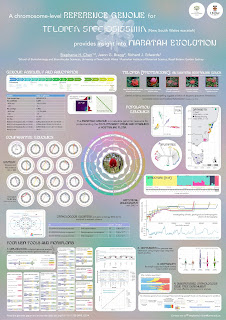
Telopea is an eastern Australian genus of five species of long-lived shrubs in the family Proteaceae. Previous work has characterised population structure and patterns of introgression between Telopea species. These studies were performed using a limited set of genetic markers, but point to the great potential of waratah as a model clade for understanding the processes of divergence, environmental adaptation and speciation, when enhanced by a genome-wide perspective enabled by a reference genome. However, few Proteaceae genomes and no waratah genomes are available.

We assembled the first chromosome-level reference genome for T. speciosissima (New South Wales waratah; 2n = 22) using Nanopore long-reads, 10x Chromium linked-reads and Hi-C data. The assembly spans 823 Mb (scaffold N50 of 69.0 Mb) with 97.8 % of Embryophyta universal single-copy orthologues (BUSCOs; n = 1,614) complete. Read depth analysis of 140 ‘Duplicated’ BUSCO genes reveals that almost all are real duplications, increasing confidence in protein family analysis using annotated protein-coding genes, highlighting a possible need to revise the BUSCO set for this lineage. Genome annotation predicted 34,706 genes and pseudogenes, including 27,481 protein-coding genes. We examined the evolutionary dynamics of Telopea using the reference genome in conjunction with DArTseq (n = 244) and whole genome shotgun sequencing (n = 14) of each of the seven lineages; there are three lineages of T. speciosissima – coastal, upland and southern.

Here, I will discuss the population structure and demographic history of the genus. We also examined phylogenomic relationships and developed a scalable method of rapidly generating species trees from short-read data to maximise the recovery of informative data from genomic datasets. The waratah reference genome represents an important new genomic resource in Proteaceae to accelerate our understanding of the origins and evolutionary dynamics of the Australian flora.

[Read more about the waratah genome, here.]


Small but mitey: high-quality long-read assembly of a streamlined mite genome from contaminated sequencing data (#17)

Richard J Edwards, Stephanie H Chen, Jason G Bragg.

As pilot data for project on myrtle rust resistance, we previously assembled two Myrtaceae genomes using 10x Chromium linked reads: Rhodamnia argentea (silver malletwood) and Syzygium oleosum (blue lilly pilly). Both draft genomes achieved scaffolding (N50 > 850 kb) and completeness (BUSCOv3 embryophyta_odb9 > 90 %) of sufficient quality to be annotated by NCBI RefSeq. However, signs of arthropod sequence contamination were subsequently found in the Rhodamnia argentea assembly. We therefore sought to identify and eliminate this contamination during improvement and curation of the genome for publication.

A risk-averse analysis highlighted 49.6 Mb (11.95%) on 2,996 of 15,781 scaffolds of possible arthropod origin. An improved assembly of the same tree, incorporating ~50X long-read (ONT) sequencing, has confirmed this contamination as 11 scaffolds (34.6 Mb) that are distinct from 75 R. argentea assembly scaffolds (346.7 Mb), increasing the likelihood of contamination over the integration of horizontally transferred genes. Taxonomic analysis of predicted protein-coding genes using Taxolotl (https://github.com/slimsuite/taxolotl) suggested that the contamination most likely originates from some form of mite (Order: Trombidiformes), but limited NCBInr mite sequences precluded better taxonomic resolution. Curiously, these contamination scaffolds showed a high depth of coverage (~36X), but a fairly low BUSCO completeness of 58.1% (v5 Augustus, metazoa_odb10 n=954), apparently inconsistent with typical mite genomes.

Phylogenomic analysis with available mite genomes identified the closest relative as Aculops lycopersici, a microscopic (0.2 mm long) eriophyoid mite with a heavily streamlined 32.5 Mb genome. Original low completeness appears to be from a combination of genome reduction and poor performance of that BUSCO version; BUSCO v5 MetaEuk eukaryota_odb10 (n=255) reports 82.8% completeness, which is approaching the 86.3% of A. lycopersici. Here, we discuss the evidence that we have assembled a highly complete but streamlined genome from an unknown eriophyoid mite, plus the need to improve genomic representation of contaminating pest species.


A genetic perspective on rapid adaptation in the globally invasive European starling (Sturnus vulgaris) (#255)

Katarina C Stuart, Richard J Edwards, William (Bill) B Sherwin, Lee Ann Rollins.
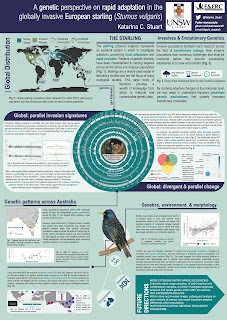
Few invasive birds are as globally successful or as well-studied as the common starling (Sturnus vulgaris). Native to the Palaearctic, the starling has been a prolific invader in North and South America, southern Africa, Australia, and The Pacific Islands, while facing declines in excess of 50% in in some native regions. Starlings present an invaluable opportunity to test predictions about the evolutionary trajectory of invasive populations, and gain insight into genetic shifts in response to anthropogenic alteration and climate change.

My research focuses primarily on the invasive European starling population in Australia and aims to investigate the genetics underlying their evolution, using a range of genomic approaches. Through historic museum sample sequencing, I examine single nucleotide polymorphism variations shifts between the native range and Australia, and find parallel selection on both continents, possibly resulting from common global selective forces such as exposure to pollutants and carbohydrate exposure. I further examine matched genetic, morphological, and environmental data to reveal patterns of heritability and plasticity across ecologically significant phenotypic traits, revealing that elevation, as well as rainfall and temperature variability plays an important role in shaping morphology and genetics. Finally, I investigated patterns of structural variants, to uncover evolutionarily significant large-scale genetic variants across a global data set, and more specifically characterise their role in rapid starling adaptation across the entirety of the Australian range. Overall, my research seeks to better understand mechanisms and patterns of genetic change within this species, which may be used to inform invasion or native range management. More broadly, this evolutionary research into the starling provide an important perspective on the role of rapid evolution in invasive species persistence, and the global pressures that may shape range shifts and evolution across many similar avian taxa.

Friday, 14 January 2022

The Waratah genome paper is out!

The final version of the waratah genome paper now out in Molecular Ecology Resources. This was a fun collaboration with the Royal Botanic Gardens and Domain Trust as one of the pilot genomes for BioPlatforms Australia’s Genomics for Australian Plants (GAP) initiative.

You can read the press release here, or our piece in the Conversation, We’ve unveiled the waratah’s genetic secrets, helping preserve this Australian icon for the future.

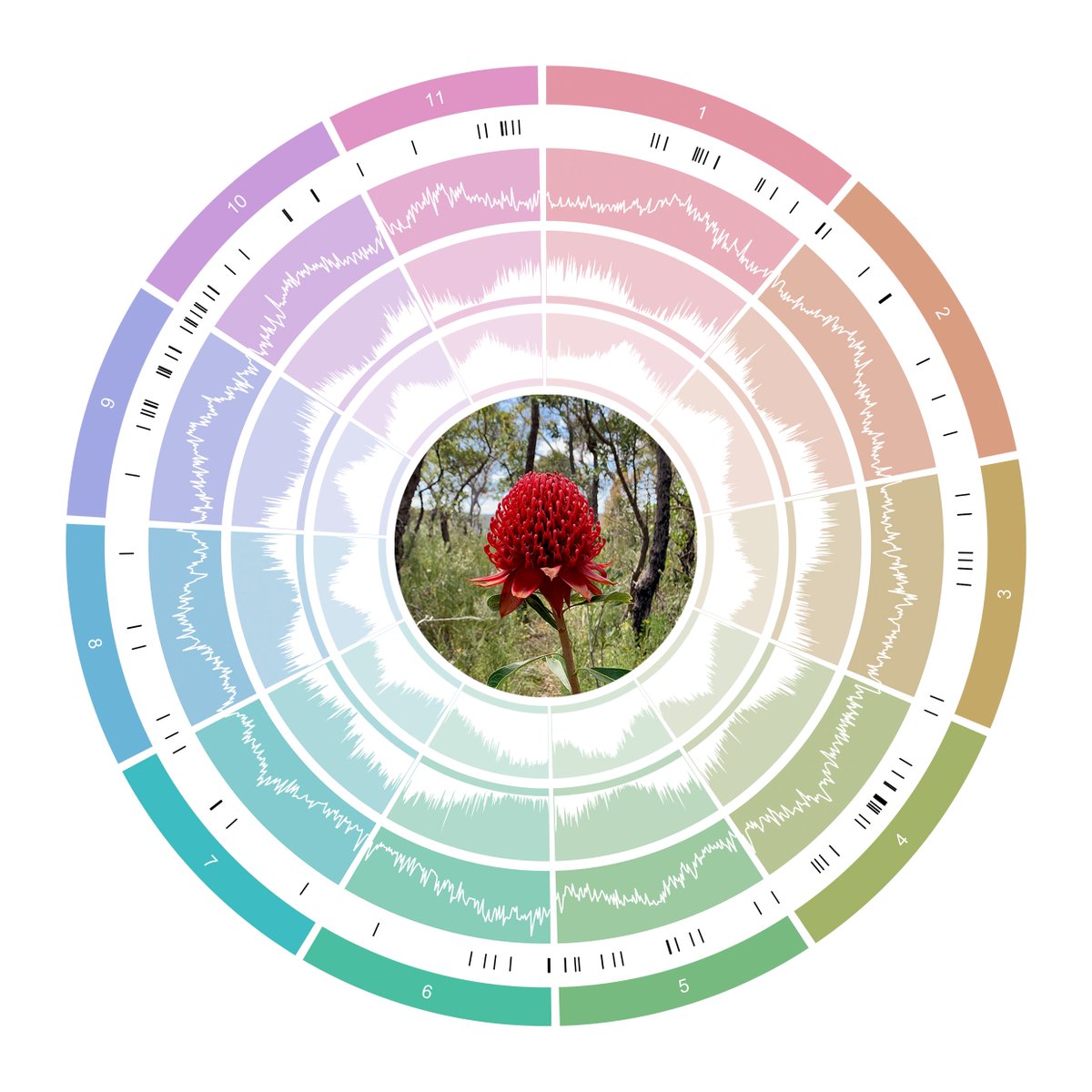
In this paper, we present a chromosome-level assembly for the NSW State Floral Emblem, the New South Wales waratah, Telopea speciosissima. This joins macadamia as the 2nd reference genome for the Proteaceae family & should help future studies for the remaining ca. 1700 species.

The genome was assembled from a ONT chassis, scaffolded with 10x Genomics linked reads and Phase Genomics HiC - made possible thanks to quality data from AGRF and the Ramaciotti Centre for Genomics. The final assembly was chromosome-level, with 94.1% on the 11 chromosomes (2n = 22).

As well as the assembly itself, the paper presents a three genomics tools that we hope will be helpful for other assemblies:

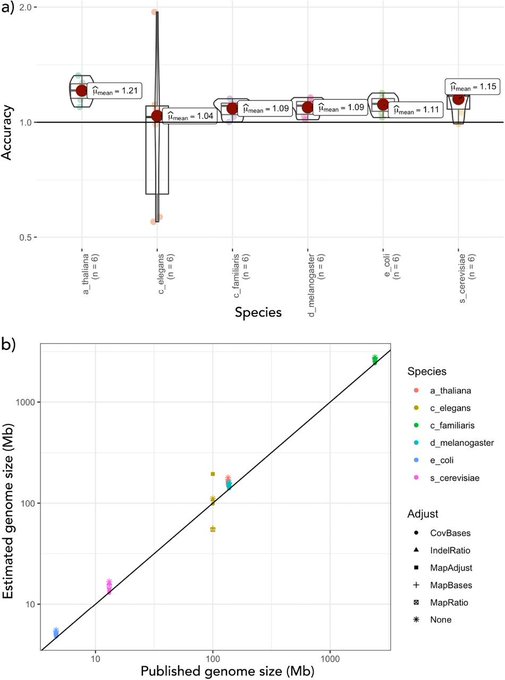
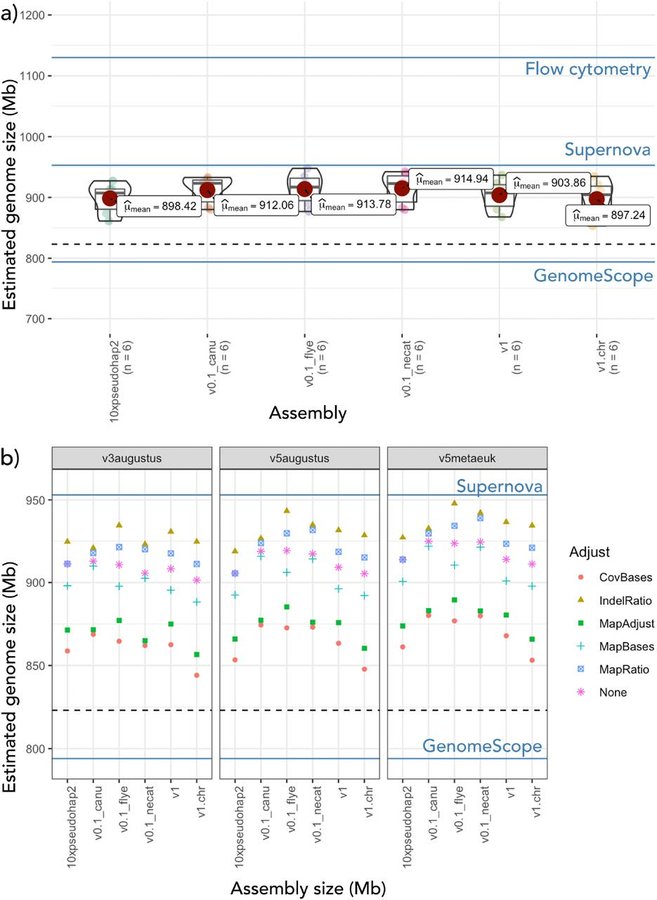
1. DepthSizer uses long-read depths and BUSCO predictions to estimate genome size. We estimated the waratah genome to be ca. 900 Mbp - bigger than kmer estimates, but smaller than flow cytometry of Tasmanian waratah.

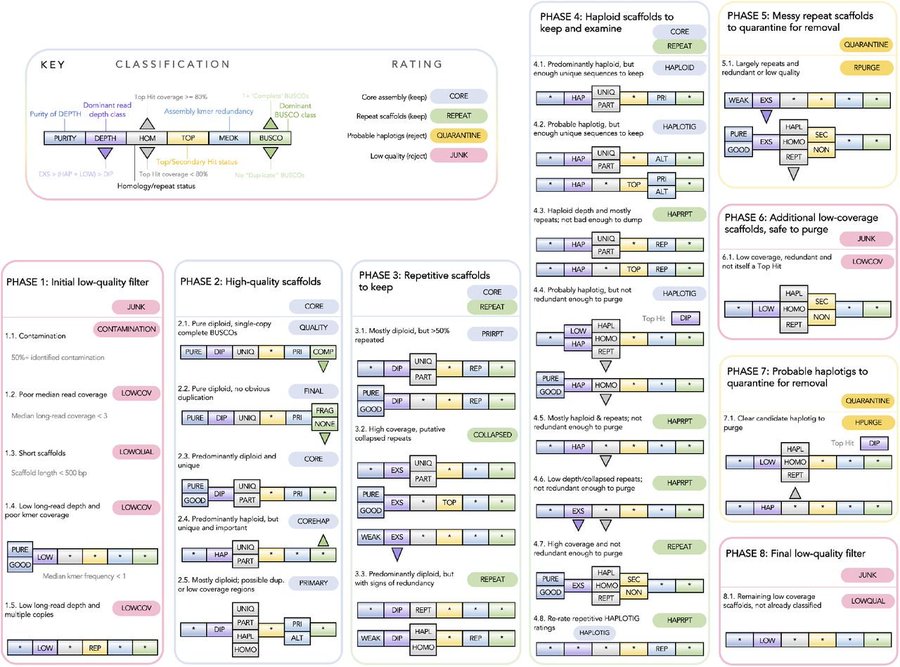
2. Diploidocus builds on Purge Haplotigs, combining read depths, kmer frequencies & BUSCO predictions to classify and curate/filter assembly scaffolds. This decreases false duplications & contamination, and flags collapsed repeats for closer inspection.

3. DepthKopy uses BUSCO Complete genes to establish sequencing depth (like DepthSizer) and then estimates copy number for regions (e.g. genes), scaffolds & sliding windows of the assembly. This showed that most “Duplicated” BUSCOs are real duplicates.


Chen SH, Rossetto M, van der Merwe M, Lu-Irving P, Yap JS, Sauquet H, Bourke G, Amos TG, Bragg JG & Edwards RJ (accepted): Chromosome-level de novo genome assembly of Telopea speciosissima (New South Wales waratah) using long-reads, linked-reads and Hi-C. Molecular Ecology Resources.
[Mol Ecol Res] [bioRxiv]

Abstract

Telopea speciosissima, the New South Wales waratah, is an Australian endemic woody shrub in the family Proteaceae. Waratahs have great potential as a model clade to better understand processes of speciation, introgression and adaptation, and are significant from a horticultural perspective. Here, we report the first chromosome-level genome for T. speciosissima. Combining Oxford Nanopore long-reads, 10x Genomics Chromium linked-reads and Hi-C data, the assembly spans 823 Mb (scaffold N50 of 69.0 Mb) with 97.8% of Embryophyta BUSCOs “Complete”. We present a new method in Diploidocus (https://github.com/slimsuite/diploidocus) for classifying, curating and QC-filtering scaffolds, which combines read depths, k-mer frequencies and BUSCO predictions. We also present a new tool, DepthSizer (https://github.com/slimsuite/depthsizer), for genome size estimation from the read depth of single-copy orthologues and estimate the genome size to be approximately 900 Mb. The largest 11 scaffolds contained 94.1% of the assembly, conforming to the expected number of chromosomes (2n = 22). Genome annotation predicted 40,158 protein-coding genes, 351 rRNAs and 728 tRNAs. We investigated CYCLOIDEA (CYC) genes, which have a role in determination of floral symmetry, and confirm the presence of two copies in the genome. Read depth analysis of 180 “Duplicated” BUSCO genes using a new tool, DepthKopy (https://github.com/slimsuite/depthkopy), suggests almost all are real duplications, increasing confidence in the annotation and highlighting a possible need to revise the BUSCO set for this lineage. The chromosome-level T. speciosissima reference genome (Tspe_v1) provides an important new genomic resource of Proteaceae to support the conservation of flora in Australia and further afield.

If you want a read and don’t have access, please get it touch or check out the bioRxiv preprint.

Wednesday, 6 October 2021

Edwards Lab at Genetics Society of AustralAsia 2021 #GSAA21

Look out for some interesting genomics talks by Edwards Lab members at this year’s Genetics Society of AustralAsia 2021 conference, which started today. Congratulation to Stephanie for winning the Spencer Smith-White Travel Award (shame about the lack of travel!), Cadel for getting a lightning talk as an Honours student. And a shout out to Kat, who is one of the conference organisers.

Thursday 7th October: Genomics and Transcriptomics Session | 1:30-2:00 (Lightning talks)

Cadel Watson - dedUCE: efficient identification of Ultraconserved Elements from multiple genomes

Cadel Watson, Mitchell J. Cummins, Yasir Kusay, Maxine Halbheer, Eric Urng, John S. Mattick and Richard J. Edwards

Ultraconserved elements (UCEs) are DNA sequences which are extremely conserved and found almost unchanged in the genomes of multiple, divergent species [1]. UCEs have been found in a wide variety of organisms, including mammals, fish, insects, birds, and plants. Whilst the evidence suggests that that they are the result of natural selection, indicating biological importance, their function has thus far proven elusive [2]. The recent (and ongoing) explosion in the quality and quantity of reference genomes across multiple taxa provides new opportunities for investigating the prevalence, evolution and role of UCEs. However, the field is hampered by a lack of fast and resource-efficient algorithms to identify UCEs. Furthermore, common alignment-based algorithms fail to identify non-syntenic UCEs.

Here, we present dedUCE, a novel tool for identifying all UCEs in a set of genomes. dedUCE uses a hash-based algorithm to rapidly identify core UCE kmers that are shared by multiple genomes, before extending and merging candidates into a final comprehensive but non-redundant set of UCEs. dedUCE can support UCEs appearing out-of-order due to genetic rearrangements and/or assembly artefacts, and is able to return UCEs with inexact homology. Stringency can be controlled by parameters controlling the length, support (number of genomes) and required sequence identity. Preliminary results show that dedUCE can identify all UCEs in a group of 40 mammalian genomes in 8 hours on a 16-core machine, which is orders of magnitude faster than previous algorithms. Applications of dedUCE will be discussed, including improving the definition of UCEs, and making use of UCE content to assess genome assembly completeness.

  1. Gill Bejerano, Michael Pheasant, Igor Makunin, Stuart Stephen, W. James Kent, John S. Mattick, and David Haussler (2004). Ultraconserved El- ements in the Human Genome. Science, 304(5675):1321–1325.

  2. Konstantinos Kritsas, Samuel E. Wuest, Daniel Hupalo, Andrew D. Kern, Thomas Wicker, and Ueli Grossniklaus (2012). Computational analysis and char- acterization of UCE-like elements (ULEs) in plant genomes. Genome Research, 22(12):2455–2466.


Friday 8th October: Ecological and Evolutionary Genetics Session | 10:45-11:00

Katarina Stuart - A genetic perspective on rapid adaptation in the globally invasive European starling (Sturnus vulgaris)

Stuart KC, Sherwin WB, Edwards RJ & Rollins LA

Few invasive birds are as globally successful or as well-studied as the common starling (Sturnus vulgaris). Native to the Palaearctic, the starling has been a prolific invader in North and South America, southern Africa, Australia, and The Pacific Islands, while facing declines in excess of 50% in in some native regions. Starlings present an invaluable opportunity to test predictions about the evolutionary trajectory of invasive populations, and gain insight into genetic shifts in response to anthropogenic alteration and climate change. My research focuses primarily on the invasive European starling population in Australia and aims to investigate the genetics underlying their evolution, using a range of genomic approaches. Through historic museum sample sequencing, I examine single nucleotide polymorphism variations shifts between the native range and Australia, and find parallel selection on both continents, possibly resulting from common global selective forces such as exposure to pollutants and carbohydrate exposure. I further examine matched genetic, morphological, and environmental data to reveal patterns of heritability and plasticity across ecologically significant phenotypic traits, revealing that elevation, as well as rainfall and temperature variability plays an important role in shaping morphology and genetics. Finally, I investigated patterns of structural variants, to uncover evolutionarily significant large-scale genetic variants across a global data set, and more specifically characterise their role in rapid starling adaptation across the entirety of the Australian range. Overall, my research seeks to better understand mechanisms and patterns of genetic change within this species, which may be used to inform invasion or native range management. More broadly, this evolutionary research into the starling provide an important perspective on the role of rapid evolution in invasive species persistence, and the global pressures that may shape range shifts and evolution across many similar avian taxa.


Friday 8th October: Spencer Smith-White Travel Award recipient | 1:15-1:30

Stephanie Chen - Genomics of speciation and introgression: insights from waratah (Telopea spp.) as a model clade

Telopea is an eastern Australian genus of five species of long-lived shrubs in the family Proteaceae. Previous work has characterised population structure and patterns of introgression between Telopea species. These studies were performed using a limited set of genetic markers, but point to the great potential of waratah as a model clade for understanding the processes of divergence, environmental adaptation and speciation, when enhanced by a genome-wide perspective enabled by a reference genome. However, few Proteaceae genomes and no waratah genomes are available. We assembled the first chromosome-level reference genome for T. speciosissima (New South Wales waratah; 2n = 22) using Nanopore long-reads, 10x Chromium linked-reads and Hi-C data. The assembly spans 823 Mb, representing 93.9 % of the estimated genome size, with a scaffold N50 of 69.1 Mb and 91.3 % of complete Embryophyta universal single-copy orthologs (BUSCOs) are present. We examined the evolutionary dynamics of Telopea using the reference genome in conjunction with DArTseq (n = 244) and whole genome shotgun sequencing (n = 14) of each of the seven lineages; there are three lineages of T. speciosissima – coastal, upland, and southern. Here, I will discuss the population structure and demographic history of the genus. We also examined phylogenomic relationships and developed a scalable method of rapidly generating species trees from short-read data to maximise the recovery of informative data from genomic datasets. The waratah reference genome represents an important new genomic resource in Proteaceae to accelerate our understanding of the origins and evolutionary dynamics of the Australian flora.

Thursday, 3 June 2021

Chromosome-level de novo genome assembly of Telopea speciosissima (New South Wales waratah) using long-reads, linked-reads and Hi-C

The latest genomics paper from the lab is now out on bioRvix. This is the first paper from Stephanie Chen’s PhD project in collaboration with the Royal Botanic Gardens and Domain Trust (RBGDT), Sydney. In this paper, Stephanie reports on the chromosome-level assembly of the New South Wales Waratah, the floral emblem of NSW. This is the first of the pilot reference genomes to be released from the Genomics for Australian Plants initiative.

In addition to the genome itself, this paper describes a couple of genomics tools from the lab. DepthSizer (https://github.com/slimsuite/depthsizer) uses BUSCO predictions to establish the single-copy read depth of sequencing data, from which the genome size can be estimated in a way that is hopefully quite robust to assembly quality. Diploidocus (https://github.com/slimsuite/diploidocus) has been used for our previous Dog genome assemblies to help eliminate “haplotigs” (heterozygous regions of the genome that appear in the assembly twice), and low-quality sequences, in addition to flagging possible collapsed repeats or contaminants for further investigation. Here, the Diploidocus “tidy” pipeline is considerably extended for a much more nuanced classification and filtering of scaffolds, using a combination of read depths, homology, kmer analysis and BUSCO predictions.


Chen SH, Rossetto M, van der Merwe M, Lu-Irving P, Yap JS, Sauquet H, Bourke G, Bragg JG & Edwards RJ (preprint): Chromosome-level de novo genome assembly of Telopea speciosissima (New South Wales waratah) using long-reads, linked-reads and Hi-C. bioRxiv 2021.06.02.444084; doi: 10.1101/2021.06.02.444084.
[bioRxiv]

Abstract

Background: Telopea speciosissima, the New South Wales waratah, is Australian endemic woody shrub in the family Proteaceae. Waratahs have great potential as a model clade to better understand processes of speciation, introgression and adaptation, and are significant from a horticultural perspective. Findings: Here, we report the first chromosome-level reference genome for T. speciosissima. Combining Oxford Nanopore long-reads, 10x Genomics Chromium linked-reads and Hi-C data, the assembly spans 823 Mb (scaffold N50 of 69.0 Mb) with 91.2 % of Embryophyta BUSCOs complete. We introduce a new method in Diploidocus (https://github.com/slimsuite/diploidocus) for classifying, curating and QC-filtering assembly scaffolds. We also present a new tool, DepthSizer (https://github.com/slimsuite/depthsizer), for genome size estimation from the read depth of single copy orthologues and find that the assembly is 93.9 % of the estimated genome size. The largest 11 scaffolds contained 94.1 % of the assembly, conforming to the expected number of chromosomes (2n = 22). Genome annotation predicted 40,158 protein-coding genes, 351 rRNAs and 728 tRNAs. Our results indicate that the waratah genome is highly repetitive, with a repeat content of 62.3 %. Conclusions: The T. speciosissima genome (Tspe_v1) will accelerate waratah evolutionary genomics and facilitate marker assisted approaches for breeding. Broadly, it represents an important new genomic resource of Proteaceae to support the conservation of flora in Australia and further afield.

Wednesday, 25 November 2020

#ABACBS2020: Unsupervised orthologous gene tree enrichment for cost-effective phylogenomic analysis and a test case on waratahs (Telopea spp.)

Stephanie Chen, Maurizio Rossetto, Marlien van der Merwe, Hervé Sauquet, Patricia Lu-Irving, Jia-Yee Yap, William Studley, Greg Bourke, Jason Bragg, Richard J. Edwards

Abstract

Whole-genome shotgun sequencing is becoming increasingly common in phylogenetic research due to the falling cost of whole genome sequencing compared to traditional methods which target subsets of genomes. However, there are few existing packages for assembling putatively orthologous loci from evolutionarily diverged samples and making alignments for phylogenetic analysis from these data. Additionally, short-read Illumina sequencing data are highly accurate but at low coverages, it can be difficult to draw out meaningful phylogenomic inferences, especially for non-model organisms for which there is no reference genome available.

We have developed a scalable method of rapidly generating species trees from short-read data without the need for a reference genome. The workflow involves (1) de novo genome assembly with ABySS at a range of k values (2) extracting the most complete BUSCO (Benchmarking Universal Single-Copy Orthologs) genes from each set of assemblies with the BUSCO Compiler and Comparison tool (BUSCOMP) (3) generating gene trees, and (4) constructing a species tree.

The workflow has been applied to a whole genome shotgun sequencing waratah (Telopea spp.) dataset of five species, comprising of two samples from each of the seven lineages; there are three lineages of T. speciosissima (New South Wales waratah) – coastal, upland, and southern. We have also generated a reference genome for T. speciosissima, and examine the robustness of the workflow by comparison to a reference-based approach. It is anticipated that the workflow will maximise the recovery of informative data from genomic datasets for reproducible phylogenomic studies and be especially useful for non-model organisms.

Monday, 27 May 2019

Stephanie Chen (PhD student)

Stephanie H. Chen joined the Edwards Lab at UNSW as a PhD student in May 2019. She is working on a collaborative project with the Royal Botanic Garden and Domain Trust and is co-supervised by Richard Edwards and Jason Bragg. Her research focuses on landscape genomics of Myrtaceae species (includes eucalypts, paperbarks, and tea-trees) and the genetic basis of resistance to myrtle rust, which is of pressing concern to Australia’s native biodiversity. She is also contributing to assembling and annotating the waratah (Telopea speciosissima) genome as part of the Genomics for Australian Plants Framework Initiative.

Stephanie holds a Bachelor of Science (Honours) (First Class Honours and the University Medal) from the University of Sydney, Australia, with a major in Plant Science.

[LinkedIn]

Monday, 17 December 2018

What are we sequencing next? The waratah!

Thanks to seed funding from the UNSW, we were able to sequence two rainforest tree species earlier this year in collaboration with the Royal Botanic Gardens and Domain Trust (RBGDT), Sydney. I am pleased to announce that, together with RBGDT and the Blue Mountains Botanic Garden, Mt Tomah, we won a bid to sequence one of the first genomes as part of the new Genomics for Australian Plants Framework Initiative by Bioplatforms Australia: the NSW state flower, the Waratah (Telopea speciosissima).

As announced recently, this is one of three species selected for the initial pilot study. Details will be sorted out in the new year, but we will be looking to use a combination of 10x Genomics linked reads and long-read sequencing (PacBio and/or Nanopore).

Collaborators on the project: M Rossetto1, M van der Merwe1, H Sauquet1, P Lu-Irving1, J Bragg1, G Bourke2, RJ Edwards3

  1. Royal Botanic Gardens and Domain Trust, Sydney
  2. Blue Mountains Botanic Garden, Mt Tomah
  3. The University of New South Wales, Sydney

Image: Telopea speciosissima, Suellen’s Garden, Falls Ck NSW: Photo, Suellen Harris