Showing posts with label #publications. Show all posts

Friday, 11 July 2025

Pathways to Recovery: Genomics and Resistance Assays for Tree Species Devastated by the Myrtle Rust Pathogen

The latest collaborative paper from the lab is out in Molecular Ecology, with another great contribution from former PhD student Stephanie Chen. I really enjoyed collaborating with the team at the Royal Botanic Gardens and Domain Trust (and beyond), and this accomplishment feels like a fitting way to celebrate my first week as an ecological consultant at ORS. It combines reference genomes with population genomic data and resistance assays to provide hope in the fight against invasive pathogens - the notorious myrtle rust in this case - but with a warning: these species, like so many, have already suffered dramatic losses of genetic variation.

We have the tools and the knowledge to save biodiversity. We need the political will. And we don’t have the time to delay any further.

Chen SH, Yap YS, Viler V, Stehn C, Sandhu KS, Percival J, Pegg GS, Menzies T, Jones A, Guo K, Giblin FR, Cohen J, Edwards RJ, Rossetto M & Bragg JG (2025): Pathways to Recovery: Genomics and Resistance Assays for Tree Species Devastated by the Myrtle Rust Pathogen. Molecular Ecology e70030. [Mol Ecol] [PubMed] [bioRxiv]

Abstract

Myrtle rust is a plant disease caused by the invasive fungal pathogen Austropuccinia psidii (G. Winter) Beenken, which has a global host list of 480 species. It was detected in Australia in 2010 and has caused the rapid decline of native Myrtaceae species, including rainforest trees Rhodamnia rubescens (Benth.) Miq. (scrub turpentine) and Rhodomyrtus psidioides (G.Don) Benth. (native guava). Ex situ collections of these species have been established, with the goal of preserving remaining genetic variation. Analysis of reduced representation sequencing (DArTseq; n = 444 for R. rubescens and n = 301 for R. psidioides) showed genetic diversity is distributed along a latitudinal gradient across the range of each species. A panel of samples of each species (n = 27 for R. rubescens and n = 37 for R. psidioides) was resequenced at genome scale, revealing large historical effective population sizes, and little variation among individuals in inferred levels of deleterious load. In Rhodamnia rubescens, experimental assays (n = 297) identified individuals that are putatively resistant to myrtle rust. This highlights two important points: there are tangible pathways to recovery for species that are highly susceptible to rust via a genetically informed breeding programme, and there is a critical need to act quickly before more standing diversity is lost.

Saturday, 15 March 2025

A genome assembly and annotation for the Australian alpine skink Bassiana duperreyi using long-read technologies.

Hanrahan BJ, Alreja K, Reis ALM, Chang JK, Dissanayake DSB, Edwards RJ, Bertozzi T, Hammond JM, O’Meally D, Deveson IW, Georges A, Waters P & Patel HR (accepted): A genome assembly and annotation for the Australian alpine skink Bassiana duperreyi using long-read technologies. G3 jkaf046, DOI: 10.1093/g3journal/jkaf046 [G3] [PubMed]

Abstract

The eastern three-lined skink (Bassiana duperreyi) inhabits the Australian high country in the southeast of the continent including Tasmania. It is a distinctive oviparous species because it undergoes sex reversal (from XX genotypic females to phenotypic males) at low incubation temperatures. We present a chromosome-scale genome assembly of a Bassiana duperreyi XY male individual, constructed using PacBio HiFi and ONT long reads scaffolded using Illumina HiC data. The genome assembly length is 1.57 Gbp with a scaffold N50 of 222 Mbp, N90 of 26 Mbp, 200 gaps and 43.10% GC content. Most (95%) of the assembly is scaffolded into 6 macrochromosomes, 8 microchromosomes and the X chromosome, corresponding to the karyotype. Fragmented Y chromosome scaffolds (n=11 > 1 Mbp) were identified using Y-specific contigs generated by genome subtraction. We identified two novel alpha-satellite repeats of 187 bp and 199 bp in the putative centromeres that did not form higher order repeats. The genome assembly exceeds the standard recommended by the Earth Biogenome Project; 0.02% false expansions, 99.63% kmer completeness, 94.66% complete single copy BUSCO genes and an average 98.42% of transcriptome data mappable to the genome assembly. The mitochondrial genome (17,506 bp) and the model rDNA repeat unit (15,154 bp) were assembled. The B. duperreyi genome assembly has high completeness for a skink and will provide a resource for research focused on sex determination and thermolabile sex reversal, as an oviparous foundation species for studies of the evolution of viviparity, and for other comparative genomics studies of the Scincidae.

Friday, 14 March 2025

Chromosome-level genome assembly of the spangled emperor, Lethrinus nebulosus (Forsskål 1775)

The first data note from the Ocean Genomes project is now out in Scientific Data - a first-in-family genome from the emperor breams.

Parata L, Anstiss L, de Jong E, Doran A, Edwards RJ, Newman SJ, Payet SD, Skepper CL, Wakefield CB, OceanOmics Centre, OceanOmics Division & Corrigan S (2025): Chromosome-level genome assembly of the spangled emperor, Lethrinus nebulosus (Forsskål 1775). Scientific Data 12:435. DOI: 10.1038/s41597-025-04690-w.

Abstract

Spangled emperor, Lethrinus nebulosus (Forsskål 1775), is a tropical marine fish of economic and cultural importance throughout the Indo-West Pacific. It is one of the most targeted recreational fishes in the Gascoyne Coast Bioregion of Western Australia where it serves as an indicator species for recreational fishing. Here, we present a highly accurate, near-gapless, chromosome-level, haplotype-phased reference genome assembly of L. nebulosus (Lethrinus nebulosus (Spangled Emperor) genome, fLetNeb1.1; PRJNA1074345), the first for the species and the first high-quality genome representative of the family Lethrinidae. The 1.09 Gb genome was assembled from PacBio HiFi and Dovetail Omni-C proximity ligation sequencing data. The contig N50 is 21–24 Mbp and BUSCO completeness greater than 99%. A preliminary gene annotation identified 24,583 genes with the predicted transcriptome achieving a BUSCO completeness score of 99.1%. This resource will facilitate genomic studies to inform the sustainable management of L. nebulosus and other Lethrinids.

Thursday, 13 February 2025

Small but mitey: a gapless telomere-to-telomere assembly of an unidentified mite with a streamlined genome

A few years ago, we accidentally sequenced an interesting mite when making the Rhodamnia argentea reference genome. We don’t really know what it is, but thanks to nanopore sequencing and a low repeat content, we produced a gapless telomere-to-telomere assembly! As an unfunded passion project, it’s been ticking along in the background since then, but is now published in Genome Biology and Evolution.

One of the most interesting aspects of the paper is the genome reduction - despite being a complete nuclear genome, the assembly is under 35 megabases! This is a couple of orders of magnitude smaller than many other arachnid genomes.

We are yet to do a comprehensive analysis, but just looking at the core set of expected arachnid genes, as defined by BUSCO (e.g. single-copy genes that are expected to be present in most arachnid genomes) revealed that about a third of them were missing. (This low completeness was partly responsible for the time taken to fully recognised and deal with the contamination.) Tellingly, the closest sequenced relatives of this mite also have reduced genomes and are missing many of the same BUSCO genes, revealing a long history of gene loss.

The proportion of “Duplicated” BUSCO genes is also surprisingly high at 4.5%. These are genuine duplications, with consistent diploid read depths and many of the pairs present on both chromosomes. It will be interesting to see if these duplications are replacing some of the lost functions from the other genes, or are novel genes behind such a specialised lifestyle. As an unfunded passion project, it was beyond scope to investigate the full annotation as part of this paper, but get in touch if you would be interested to do this!

Edwards RJ, Chen SH, Halliday B & Bragg JG (2025): Small but mitey: a gapless telomere-to-telomere assembly of an unidentified mite with a streamlined genome. Genome Biology and Evolution Feb 13. [Gen Biol Evol] [PubMed]

Abstract

A draft assembly of the rainforest tree Rhodamnia argentea Benth. (malletwood, Myrtaceae) revealed contaminating DNA sequences that most closely matched those from mites in the family Eriophyidae. Eriophyoid mites are plant parasites that often induce galls or other deformities on their host plants. They are notable for their small size (averaging 200 μm), distinctive four-legged body structure, and heavily streamlined genomes, which are among the smallest known of all arthropods. Contaminating mite sequences were assembled into a high-quality gapless telomere-to-telomere nuclear genome. The entire genome was assembled on two fully contiguous chromosomes, capped with a novel TTTGG or TTTGGTGTTGG telomere sequence, and exhibited clear signs of genome reduction (34.5 Mbp total length, 68.6% arachnid Benchmarking Universal Single-Copy Ortholog completeness). Phylogenomic analysis confirmed that this genome is that of a previously unsequenced eriophyoid mite. Despite its unknown identity, this complete nuclear genome provides a valuable resource to investigate invertebrate genome reduction.

Monday, 27 January 2025

A reference genome for the eastern bettong (Bettongia gaimardi)

Silver LW, Edwards RJ, Neaves L,A Manning, CJ Hogg & S Banks (2025): A reference genome for the eastern bettong (Bettongia gaimardi) [version 2; peer review: 3 approved]. F1000Research 13:1544. [F1000Res] [PubMed]

Abstract

The eastern or Tasmanian bettong (Bettongia gaimardi) is one of four extant bettong species and is listed as ‘Near Threatened’ by the IUCN. We sequenced short read data on the 10x system to generate a reference genome 3.46Gb in size and contig N50 of 87.36Kb and scaffold N50 of 2.93Mb. Additionally, we used GeMoMa to provide and accompanying annotation for the reference genome. The generation of a reference genome for the eastern bettong provides a vital resource for the conservation of the species.

Tuesday, 17 December 2024

Parental assigned chromosomes for cultivated cacao provides insights into genetic architecture underlying resistance to vascular streak dieback

As a big fan of chocolate, it was great to have the opportunity to help out with a cacao genome. This study presents the first diploid, fully scaffolded, and parentally phased genome resource for Theobroma cacao L. to provide insights into the genetic architecture underlying resistance and susceptibility to vascular streak dieback (VSD), a significant threat to cacao production in Southeast Asia and Melanesia. By analyzing NLR gene clusters and other disease response gene candidates in proximity to informative QTLs, the research identifies structural variants within NLRs inherited from resistant and susceptible parents, offering potential breeding targets for VSD resistance.

Tobias PA, Downs J, Epaina P, Singh G, Park RF, Edwards RJ, Brugman E, Zulkifli A, Muhammad J, Purwantara A & Guest DI (2024): Parental assigned chromosomes for cultivated cacao provides insights into genetic architecture underlying resistance to vascular streak dieback. The Plant Genome doi: 10.1002/tpg2.20524. [Plant Genome] [bioRxiv] [PubMed]

Abstract

Diseases of Theobroma cacao L. (Malvaceae) disrupt cocoa bean supply and economically impact growers. Vascular streak dieback (VSD), caused by Ceratobasidium theobromae, is a new encounter disease of cacao currently contained to southeast Asia and Melanesia. Resistance to VSD has been tested with large progeny trials in Sulawesi, Indonesia, and in Papua New Guinea with the identification of informative quantitative trait loci (QTLs). Using a VSD susceptible progeny tree (clone 26), derived from a resistant and susceptible parental cross, we assembled the genome to chromosome-level and discriminated alleles inherited from either resistant or susceptible parents. The parentally phased genomes were annotated for all predicted genes and then specifically for resistance genes of the nucleotide-binding site leucine-rich repeat class (NLR). On investigation, we determined the presence of NLR clusters and other potential disease response gene candidates in proximity to informative QTLs. We identified structural variants within NLRs inherited from parentals. We present the first diploid, fully scaffolded, and parentally phased genome resource for T. cacao L. and provide insights into the genetics underlying resistance and susceptibility to VSD.

Saturday, 16 November 2024

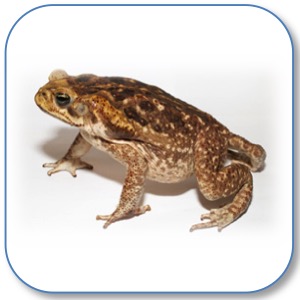
Repeat-Rich Regions Cause False-Positive Detection of NUMTs: A Case Study in Amphibians Using an Improved Cane Toad Reference Genome

Version 3* of the cane toad reference genome, aRhiMar1.3 is now officially out and published in Genome Biology and Evolution. [*It’s only the second published genome but for internal reasons the original draft genome was version 2!].

The focus of the paper itself is confirming the lack of Nuclear Mitochondrial fragments (a.k.a. NUMTs) in the cane toad genome, which could impact whole-mitogenome analysis of genetic diversity in cane toads. We were pretty surprised when we first looked for NUMTs in the cane toad genome and could not find any! The draft genome is pretty drafty, especially in terms of missing repetitive regions, so an updated long-read assembly was important to rule out a false negative result.

The new genome is in much better shape, with an extra 922 Mbp (>95% repeats) and a 15x increase in scaffold N50 (2.5 Mbp). (My biggest regret with the original paper was not sticking to my guns and including an early DepthSizer genome size estimate of 3.5 Mbp, which has subsequently turned out to be correct.) The cane toad genome remains a tough nut to crack, and we didn’t quite reach the magic 1Mb contig N50 (860 kb), but the functional completeness was markedly improved and we are pretty confident that the continued absence of NUMT detection is a real phenomenom and does not simply reflect technical limitations.

Watch this space for a chromosome-level cane toad genome, which is still in the works.

Cheung K, Rollins LA, Hammond JM, Barton K, Ferguson JM, Eyck HJF, Shine R & Edwards RJ (2024): Repeat-rich regions cause false positive detection of NUMTs - a case study in amphibians using an improved cane toad reference genome. Genome Biology and Evolution evae246. [Gen Biol Evol] [bioRxiv] [PubMed]

Mitochondrial DNA (mtDNA) has been widely used in genetics research for decades. Contamination from nuclear DNA of mitochondrial origin (NUMTs) can confound studies of phylogenetic relationships and mtDNA heteroplasmy. Homology searches with mtDNA are widely used to detect NUMTs in the nuclear genome. Nevertheless, false-positive detection of NUMTs is common when handling repeat-rich sequences, while fragmented genomes might result in missing true NUMTs. In this study, we investigated different NUMT detection methods and how the quality of the genome assembly affects them. We presented an improved nuclear genome assembly (aRhiMar1.3) of the invasive cane toad (Rhinella marina) with additional long-read Nanopore and 10× linked-read sequencing. The final assembly was 3.47 Gb in length with 91.3% of tetrapod universal single-copy orthologs (n = 5,310), indicating the gene-containing regions were well assembled. We used 3 complementary methods (NUMTFinder, dinumt, and PALMER) to study the NUMT landscape of the cane toad genome. All 3 methods yielded consistent results, showing very few NUMTs in the cane toad genome. Furthermore, we expanded NUMT detection analyses to other amphibians and confirmed a weak relationship between genome size and the number of NUMTs present in the nuclear genome. Amphibians are repeat-rich, and we show that the number of NUMTs found in highly repetitive genomes is prone to inflation when using homology-based detection without filters. Together, this study provides an exemplar of how to robustly identify NUMTs in complex genomes when confounding effects on mtDNA analyses are a concern.

Sunday, 3 November 2024

Chromosome-level genome assembly of the Australian rainforest tree Rhodamnia argentea (malletwood)

Genome projects don’t always go according to plan, and when we first sequenced Rhodamnia argentea with 10x Genomics linked reads, we accidentally sequenced a parasite along with it. This was quite hard to identify from the sequencing data itself, as the depth of sequencing was quite high, and we were unable to identify the guilty bug itself, which is probably microscopic. Getting to the bottom of this took a back seat for a while when the focus of the project shifted to Melaleuca quinquenervia, but with the addition of ONT reads and Hi-C, we have now been able to generate a chromosome-level decontaminated assembly. (An assembly of the contaminating mite will follow…)

Chen SH, Jones A, Lu-Irving P, Yap JYS, van der Merwe M, Bragg JG & Edwards RJ (2024): Chromosome-level genome assembly of the Australian rainforest tree Rhodamnia argentea (malletwood). Genome Biology and Evolution 16(11):evae238. [Gen Biol Evol] [PubMed]

Abstract

Myrtaceae are a large family of woody plants, including hundreds that are currently under threat from the global spread of a fungal pathogen, Austropuccinia psidii (G. Winter) Beenken, which causes myrtle rust. A reference genome for the Australian native rainforest tree Rhodamnia argentea Benth. (malletwood) was assembled from Oxford Nanopore Technologies long-reads, 10x Genomics Chromium linked-reads, and Hi-C data (N50 = 32.3 Mb and BUSCO completeness 98.0%) with 99.0% of the 347 Mb assembly anchored to 11 chromosomes (2n = 22). The R. argentea genome will inform conservation efforts for Myrtaceae species threatened by myrtle rust, against which it shows variable resistance. We observed contamination in the sequencing data, and further investigation revealed an arthropod source. This study emphasizes the importance of checking sequencing data for contamination, especially when working with nonmodel organisms. It also enhances our understanding of a tree that faces conservation challenges, contributing to broader biodiversity initiatives.

Thursday, 5 September 2024

Origin and maintenance of large ribosomal RNA gene repeat size in mammals

Our latest paper is out as a Featured Article in the journal Genetics, featuring ONT from both the cane toad and BABS Genome snake genomes. This paper looks at how ribosomal RNA gene repeats (a.k.a. rDNA repeats) have evolved in vertebrates to expand in size in mammals. For something so fundamental to the function of an organism - literally every process of every cell ultimately relies on rRNA - there is surprising diversity. These regions are traditionally hard to assemble with short reads, and still provide challenges for long-read assemblies, so the new era of high-quality long-read assemblies is likely to reveal a lot about their evolution.

  • Macdonald E, Whibley A, Waters PD, Patel H, Edwards RJ & Ganley ARD (2024): Origin and maintenance of large ribosomal RNA gene repeat size in mammals. Genetics 228(1): iyae121 [Genetics] [PubMed]

Abstract

The genes encoding ribosomal RNA are highly conserved across life and in almost all eukaryotes are present in large tandem repeat arrays called the rDNA. rDNA repeat unit size is conserved across most eukaryotes but has expanded dramatically in mammals, principally through the expansion of the intergenic spacer region that separates adjacent rRNA coding regions. Here, we used long-read sequence data from representatives of the major amniote lineages to determine where in amniote evolution rDNA unit size increased. We find that amniote rDNA unit sizes fall into two narrow size classes: “normal” (∼11–20 kb) in all amniotes except monotreme, marsupial, and eutherian mammals, which have “large” (∼35–45 kb) sizes. We confirm that increases in intergenic spacer length explain much of this mammalian size increase. However, in stark contrast to the uniformity of mammalian rDNA unit size, mammalian intergenic spacers differ greatly in sequence. These results suggest a large increase in intergenic spacer size occurred in a mammalian ancestor and has been maintained despite substantial sequence changes over the course of mammalian evolution. This points to a previously unrecognized constraint on the length of the intergenic spacer, a region that was thought to be largely neutral. We finish by speculating on possible causes of this constraint.

Wednesday, 3 July 2024

The evolution of ultraconserved elements in vertebrates

Despite first being described twenty years ago, Ultraconserved elements (UCEs) have remained something of a mystery. In this paper, we make use of a new, efficient tool for de novo prediction of UCEs from multiple genomes, dedUCE, to analyse the growing number of mammalian genomes. Based on this analysis, we propose a revised definition for UCEs, and investigate their evolution.

Cummins M, Watson C, Edwards RJ & Mattick JS (2024): The evolution of ultraconserved elements in vertebrates. Mol Biol Evol 41(7):msae146. [Mol Biol Evol] [PubMed]

Abstract

Ultraconserved elements were discovered two decades ago, arbitrarily defined as sequences that are identical over a length ≥ 200 bp in the human, mouse, and rat genomes. The definition was subsequently extended to sequences ≥ 100 bp identical in at least three of five mammalian genomes (including dog and cow), and shown to have undergone rapid expansion from ancestors in fish and strong negative selection in birds and mammals. Since then, many more genomes have become available, allowing better definition and more thorough examination of ultraconserved element distribution and evolutionary history. We developed a fast and flexible analytical pipeline for identifying ultraconserved elements in multiple genomes, dedUCE, which allows manipulation of minimum length, sequence identity, and number of species with a detectable ultraconserved element according to specified parameters. We suggest an updated definition of ultraconserved elements as sequences ≥ 100 bp and ≥97% sequence identity in ≥50% of placental mammal orders (12,813 ultraconserved elements). By mapping ultraconserved elements to ∼200 species, we find that placental ultraconserved elements appeared early in vertebrate evolution, well before land colonization, suggesting that the evolutionary pressures driving ultraconserved element selection were present in aquatic environments in the Cambrian–Devonian periods. Most (>90%) ultraconserved elements likely appeared after the divergence of gnathostomes from jawless predecessors, were largely established in sequence identity by early Sarcopterygii evolution—before the divergence of lobe-finned fishes from tetrapods—and became near fixed in the amniotes. Ultraconserved elements are mainly located in the introns of protein-coding and noncoding genes involved in neurological and skeletomuscular development, enriched in regulatory elements, and dynamically expressed throughout embryonic development.

Tuesday, 2 July 2024

Extant and extinct bilby genomes combined with Indigenous knowledge improve conservation of a unique Australian marsupial

Hogg C*, Edwards RJ*, Farquharson K*, Silver L*, Brandies P, Peel E, Escalona M, Jaya FR, Thavornkanlapachai R, Batley K, Bradford TM, Chang JK, Chen Z, Deshpande N, Dziminski M, Ewart KM, Griffith OW, Marin Gual L, Moon KL, Travouillon KJ, Waters P, Whittington CM, Wilkins MR, Helgen KM, Lo N, Ho SYW, Ruiz Herrera A, Paltridge R, Marshall Graves JA, Renfree M, Shapiro B, Ottewell K, Kiwirrkurra Rangers & Belov K (2024): Extant and extinct bilby genomes combined with Indigenous knowledge improve conservation of a unique Australian marsupial. Nature Ecology & Evolution 8:1311–1326. [*Joint first authors] [Research Square] [Nat Ecol Evol] [PubMed]

Abstract

Ninu (greater bilby, Macrotis lagotis) are desert-dwelling, culturally and ecologically important marsupials. In collaboration with Indigenous rangers and conservation managers, we generated the Ninu chromosome-level genome assembly (3.66 Gbp) and genome sequences for the extinct Yallara (lesser bilby, Macrotis leucura). We developed and tested a scat single-nucleotide polymorphism panel to inform current and future conservation actions, undertake ecological assessments and improve our understanding of Ninu genetic diversity in managed and wild populations. We also assessed the beneficial impact of translocations in the metapopulation (N = 363 Ninu). Resequenced genomes (temperate Ninu, 6; semi-arid Ninu, 6; and Yallara, 4) revealed two major population crashes during global cooling events for both species and differences in Ninu genes involved in anatomical and metabolic pathways. Despite their 45-year captive history, Ninu have fewer long runs of homozygosity than other larger mammals, which may be attributable to their boom-bust life history. Here we investigated the unique Ninu biology using 12 tissue transcriptomes revealing expression of all 115 conserved eutherian chorioallantoic placentation genes in the uterus, an XY1Y2 sex chromosome system and olfactory receptor gene expansions. Together, we demonstrate the holistic value of genomics in improving key conservation actions, understanding unique biological traits and developing tools for Indigenous rangers to monitor remote wild populations.

Thursday, 7 March 2024

Is developmental plasticity triggered by DNA methylation changes in the invasive cane toad (Rhinella marina)?

Second cane toad paper of the week! This time, we're revisiting invasive epigenomics.

Yagound B, Sarma RR, Edwards RJ, Richardson MF, Rodriguez Lopez CM, Crossland MR, Brown GP, DeVore JL, Shine R & Rollins LA (2024): Is developmental plasticity triggered by DNA methylation changes in the invasive cane toad (Rhinella marina)? Ecology and Evolution 14:e11127. [Ecol Evol] [PubMed] [bioRxiv]

Many organisms can adjust their development according to environmental conditions, including the presence of conspecifics. Although this developmental plasticity is common in amphibians, its underlying molecular mechanisms remain largely unknown. Exposure during development to either ‘cannibal cues’ from older conspecifics, or ‘alarm cues’ from injured conspecifics, causes reduced growth and survival in cane toad (Rhinella marina) tadpoles. Epigenetic modifications, such as changes in DNA methylation patterns, are a plausible mechanism underlying these developmental plastic responses. Here we tested this hypothesis, and asked whether cannibal cues and alarm cues trigger the same DNA methylation changes in developing cane toads. We found that exposure to both cannibal cues and alarm cues was associated with local changes in DNA methylation patterns. These DNA methylation changes affected genes putatively involved in developmental processes, but in different genomic regions for different conspecific-derived cues. Genetic background explains most of the epigenetic variation among individuals. Overall, the molecular mechanisms triggered by exposure to cannibal cues seem to differ from those triggered by alarm cues. Studies linking epigenetic modifications to transcriptional activity are needed to clarify the proximate mechanisms that regulate developmental plasticity in cane toads.

Monday, 4 March 2024

Whole-mitogenome analysis unveils previously undescribed genetic diversity in cane toads across their invasion trajectory

Congratulations to Kelton Cheung for getting her first PhD paper out. This one has been a long time brewing and involved quite a lot of data wrangling, but we got there in the end. Invasive cane toads might be a little more complex than we thought.

Cheung K, Amos TG, Shine R, DeVore JL, S Ducatez S, Edwards RJ & Rollins LA (2024): Whole-mitogenome analysis unveils previously undescribed genetic diversity in cane toads across their invasion trajectory. Ecology and Evolution 14:e11115. [Ecol Evol] [PubMed] [bioRxiv]

Invasive species offer insights into rapid adaptation to novel environments. The iconic cane toad (Rhinella marina) is an excellent model for studying rapid adaptation during invasion. Previous research using the mitochondrial NADH dehydrogenase 3 (ND3) gene in Hawai’ian and Australian invasive populations found a single haplotype, indicating an extreme genetic bottleneck following introduction. Nuclear genetic diversity also exhibited reductions across the genome in these two populations. Here, we investigated the mitochondrial genomics of cane toads across this invasion trajectory. We created the first reference mitochondrial genome for this species using long-read sequence data. We combined whole-genome resequencing data of 15 toads with published transcriptomic data of 125 individuals to construct nearly complete mitochondrial genomes from the native (French Guiana) and introduced (Hawai’i and Australia) ranges for population genomic analyses. In agreement with previous investigations of these populations, we identified genetic bottlenecks in both Hawai’ian and Australian introduced populations, alongside evidence of population expansion in the invasive ranges. Although mitochondrial genetic diversity in introduced populations was reduced, our results revealed that it had been underestimated: we identified 45 mitochondrial haplotypes in Hawai’ian and Australian samples, none of which were found in the native range. Additionally, we identified two distinct groups of haplotypes from the native range, separated by a minimum of 110 base pairs (0.6%). These findings enhance our understanding of how invasion has shaped the genetic landscape of this species.

Sunday, 28 January 2024

Toward genome assemblies for all marine vertebrates: current landscape and challenges

The first Ocean Genomes paper is now out! This one is a small commentary piece, but some high-quality genomes are on their way - watch this space. Well, actually, watch this space at Genomes on a Tree!

de Jong E, Parata L, Bayer PE, Corrigan S & Edwards RJ (2024): Toward genome assemblies for all marine vertebrates: current landscape and challenges. Gigascience 13:giad119. [Gigascience] [PubMed]

Marine vertebrate biodiversity is fundamental to ocean ecosystem health but is threatened by climate change, overharvesting, and habitat degradation. High-quality reference genomes are valuable foundational scientific resources that can inform conservation efforts. Consequently, global consortia are striving to produce reference genomes for representatives of all life. Here, we summarize the current landscape of available marine vertebrate reference genomes, including their phylogenetic diversity and geographic hotspots of production. We discuss key logistical and technical challenges that remain to be overcome if we are to realize the vision of a comprehensive reference genome library of all marine vertebrates.

Friday, 15 December 2023

A high-quality pseudo-phased genome for Melaleuca quinquenervia shows allelic diversity of NLR-type resistance genes

Chen SH, Martino AM, Luo Z, Schwessinger B, Jones A, Tolessa T, Bragg JG, Tobias PA, Edwards RJ (2023): A high-quality pseudo-phased genome for Melaleuca quinquenervia shows allelic diversity of NLR-type resistance genes. GigaScience 12:giad102. [Gigascience] [PubMed]

Background. Melaleuca quinquenervia (broad-leaved paperbark) is a coastal wetland tree species that serves as a foundation species in eastern Australia, Indonesia, Papua New Guinea, and New Caledonia. While extensively cultivated for its ornamental value, it has also become invasive in regions like Florida, USA. Long-lived trees face diverse pest and pathogen pressures, and plant stress responses rely on immune receptors encoded by the nucleotide-binding leucine-rich repeat (NLR) gene family. However, the comprehensive annotation of NLR encoding genes has been challenging due to their clustering arrangement on chromosomes and highly repetitive domain structure; expansion of the NLR gene family is driven largely by tandem duplication. Additionally, the allelic diversity of the NLR gene family remains largely unexplored in outcrossing tree species, as many genomes are presented in their haploid, collapsed state.

Results. We assembled a chromosome-level pseudo-phased genome for M. quinquenervia and described the allelic diversity of plant NLRs using the novel FindPlantNLRs pipeline. Analysis reveals variation in the number of NLR genes on each haplotype, distinct clustering patterns, and differences in the types and numbers of novel integrated domains.

Conclusions. The high-quality M. quinquenervia genome assembly establishes a new framework for functional and evolutionary studies of this significant tree species. Our findings suggest that maintaining allelic diversity within the NLR gene family is crucial for enabling responses to environmental stress, particularly in long-lived plants.

Wednesday, 29 March 2023

The Australasian dingo archetype: De novo chromosome-length genome assembly, DNA methylome, and cranial morphology

Ballard JWO, Field MA, Edwards RJ, Wilson LAB, Koungoulos LG, Rosen BD, Chernoff B, Dudchenko O, Omer A, Keilwagen J, Skvortsova K, Bogdanovic O, Chan E, Zammit R, Hayes V & Aiden EL (2023): The Australasian dingo archetype: De novo chromosome-length genome assembly, DNA methylome, and cranial morphology. Gigascience 12:giad018. [Gigascience] [PubMed]

Background

One difficulty in testing the hypothesis that the Australasian dingo is a functional intermediate between wild wolves and domesticated breed dogs is that there is no reference specimen. Here we link a high-quality de novo long-read chromosomal assembly with epigenetic footprints and morphology to describe the Alpine dingo female named Cooinda. It was critical to establish an Alpine dingo reference because this ecotype occurs throughout coastal eastern Australia where the first drawings and descriptions were completed.

Findings

We generated a high-quality chromosome-level reference genome assembly (Canfam_ADS) using a combination of Pacific Bioscience, Oxford Nanopore, 10X Genomics, Bionano, and Hi-C technologies. Compared to the previously published Desert dingo assembly, there are large structural rearrangements on chromosomes 11, 16, 25, and 26. Phylogenetic analyses of chromosomal data from Cooinda the Alpine dingo and 9 previously published de novo canine assemblies show dingoes are monophyletic and basal to domestic dogs. Network analyses show that the mitochondrial DNA genome clusters within the southeastern lineage, as expected for an Alpine dingo. Comparison of regulatory regions identified 2 differentially methylated regions within glucagon receptor GCGR and histone deacetylase HDAC4 genes that are unmethylated in the Alpine dingo genome but hypermethylated in the Desert dingo. Morphologic data, comprising geometric morphometric assessment of cranial morphology, place dingo Cooinda within population-level variation for Alpine dingoes. Magnetic resonance imaging of brain tissue shows she had a larger cranial capacity than a similar-sized domestic dog.

Conclusions

These combined data support the hypothesis that the dingo Cooinda fits the spectrum of genetic and morphologic characteristics typical of the Alpine ecotype. We propose that she be considered the archetype specimen for future research investigating the evolutionary history, morphology, physiology, and ecology of dingoes. The female has been taxidermically prepared and is now at the Australian Museum, Sydney.

Friday, 24 February 2023

Contrasting Patterns of Single Nucleotide Polymorphisms and Structural Variation Across Multiple Invasions

Stuart KC, Edwards RJ, Sherwin WB & Rollins LA (2023): Contrasting patterns of single nucleotide polymorphisms and structural variations across multiple invasions. Mol. Biol. Evol. 40:msad046. [Mol. Biol. Evol.] [PubMed] [bioRxiv]

Genetic divergence is the fundamental process that drives evolution and ultimately speciation. Structural variants (SVs) are large-scale genomic differences within a species or population and can cause functionally important phenotypic differences. Characterizing SVs across invasive species will fill knowledge gaps regarding how patterns of genetic diversity and genetic architecture shape rapid adaptation under new selection regimes. Here, we seek to understand patterns in genetic diversity within the globally invasive European starling, Sturnus vulgaris. Using whole genome sequencing of eight native United Kingdom (UK), eight invasive North America (NA), and 33 invasive Australian (AU) starlings, we examine patterns in genome-wide SNPs and SVs between populations and within Australia. Our findings detail the landscape of standing genetic variation across recently diverged continental populations of this invasive avian. We demonstrate that patterns of genetic diversity estimated from SVs do not necessarily reflect relative patterns from SNP data, either when considering patterns of diversity along the length of the organism’s chromosomes (owing to enrichment of SVs in subtelomeric repeat regions), or interpopulation diversity patterns (possibly a result of altered selection regimes or introduction history). Finally, we find that levels of balancing selection within the native range differ across SNP and SV of different classes and outlier classifications. Overall, our results demonstrate that the processes that shape allelic diversity within populations is complex and support the need for further investigation of SVs across a range of taxa to better understand correlations between often well-studied SNP diversity and that of SVs.

Thursday, 5 January 2023

Evolutionary genomics: Insights from the invasive European starlings

Happy New Year, starling lovers! Our latest paper, looking at evolutionary insights gleaned from the starling genome during Kat Stuart's PhD, is now out in Frontiers in Genetics:

Stuart KC, Sherwin WB, Edwards RJ & Rollins LA (2023): Evolutionary genomics: Insights from the invasive European starlings. Frontiers in Genetics 13:1010456. [Front Genet] [PubMed]

Two fundamental questions for evolutionary studies are the speed at which evolution occurs, and the way that this evolution may present itself within an organism’s genome. Evolutionary studies on invasive populations are poised to tackle some of these pressing questions, including understanding the mechanisms behind rapid adaptation, and how it facilitates population persistence within a novel environment. Investigation of these questions are assisted through recent developments in experimental, sequencing, and analytical protocols; in particular, the growing accessibility of next generation sequencing has enabled a broader range of taxa to be characterised. In this perspective, we discuss recent genetic findings within the invasive European starlings in Australia, and outline some critical next steps within this research system. Further, we use discoveries within this study system to guide discussion of pressing future research directions more generally within the fields of population and evolutionary genetics, including the use of historic specimens, phenotypic data, non-SNP genetic variants (e.g., structural variants), and pan-genomes. In particular, we emphasise the need for exploratory genomics studies across a range of invasive taxa so we can begin understanding broad mechanisms that underpin rapid adaptation in these systems. Understanding how genetic diversity arises and is maintained in a population, and how this contributes to adaptability, requires a deep understanding of how evolution functions at the molecular level, and is of fundamental importance for the future studies and preservation of biodiversity across the globe.

Thursday, 8 December 2022

Metaproteomics reveals methyltransferases implicated in dichloromethane and glycine betaine fermentation by ‘Candidatus Formimonas warabiya’ strain DCMF

Holland SI, Vázquez-Campos X, Ertan H, Edwards RJ, Manefield MJ & Lee M (2022): Metaproteomics reveals methyltransferases implicated in dichloromethane and glycine betaine fermentation by ' Candidatus Formimonas warabiya' strain DCMF. Front Microbiol. 13:1035247. doi: 10.3389/fmicb.2022.1035247 [Front Microbiol.] [PubMed]

Dichloromethane (DCM; CH2Cl2) is a widespread pollutant with anthropogenic and natural sources. Anaerobic DCM-dechlorinating bacteria use the Wood–Ljungdahl pathway, yet dechlorination reaction mechanisms remain unclear and the enzyme(s) responsible for carbon-chlorine bond cleavage have not been definitively identified. Of the three bacterial taxa known to carry out anaerobic dechlorination of DCM, ‘Candidatus Formimonas warabiya’ strain DCMF is the only organism that can also ferment non-chlorinated substrates, including quaternary amines (i.e., choline and glycine betaine) and methanol. Strain DCMF is present within enrichment culture DFE, which was derived from an organochlorine-contaminated aquifer. We utilized the metabolic versatility of strain DCMF to carry out comparative metaproteomics of cultures grown with DCM or glycine betaine. This revealed differential abundance of numerous proteins, including a methyltransferase gene cluster (the mec cassette) that was significantly more abundant during DCM degradation, as well as highly conserved amongst anaerobic DCM-degrading bacteria. This lends strong support to its involvement in DCM dechlorination. A putative glycine betaine methyltransferase was also discovered, adding to the limited knowledge about the fate of this widespread osmolyte in anoxic subsurface environments. Furthermore, the metagenome of enrichment culture DFE was assembled, resulting in five high quality and two low quality draft metagenome-assembled genomes. Metaproteogenomic analysis did not reveal any genes or proteins for utilization of DCM or glycine betaine in the cohabiting bacteria, supporting the previously held idea that they persist via necromass utilization.

Wednesday, 29 June 2022

The starling genome is out!

See the pre-print post for details.

Stuart KC*, Edwards RJ*, Cheng Y, Warren WC, Burt DW, Sherwin WB, Hofmeister NR, Werner SJ, Ball GF, Bateson M, Brandley MC, Buchanan KL, Cassey P, Clayton DF, De Meyer T, Meddle SL & Rollins LA (2022): Transcript- and annotation-guided genome assembly of the European starling. Molecular Ecology 22(8):3141-3160. doi: 10.1111/1755-0998.13679. [*Joint first authors] [Mol Ecol Res] [PubMed] [bioRxiv]

The European starling, Sturnus vulgaris, is an ecologically significant, globally invasive avian species that is also suffering from a major decline in its native range. Here, we present the genome assembly and long-read transcriptome of an Australian-sourced European starling (S. vulgaris vAU), and a second, North American, short-read genome assembly (S. vulgaris vNA), as complementary reference genomes for population genetic and evolutionary characterization. S. vulgaris vAU combined 10× genomics linked-reads, low-coverage Nanopore sequencing, and PacBio Iso-Seq full-length transcript scaffolding to generate a 1050 Mb assembly on 6222 scaffolds (7.6 Mb scaffold N50, 94.6% busco completeness). Further scaffolding against the high-quality zebra finch (Taeniopygia guttata) genome assigned 98.6% of the assembly to 32 putative nuclear chromosome scaffolds. Species-specific transcript mapping and gene annotation revealed good gene-level assembly and high functional completeness. Using S. vulgaris vAU, we demonstrate how the multifunctional use of PacBio Iso-Seq transcript data and complementary homology-based annotation of sequential assembly steps (assessed using a new tool, saaga) can be used to assess, inform, and validate assembly workflow decisions. We also highlight some counterintuitive behaviour in traditional busco metrics, and present buscomp, a complementary tool for assembly comparison designed to be robust to differences in assembly size and base-calling quality. This work expands our knowledge of avian genomes and the available toolkit for assessing and improving genome quality. The new genomic resources presented will facilitate further global genomic and transcriptomic analysis on this ecologically important species.